Dances of Europe and Asia: A Moment to Connect
The first World Dance Festival took place at the A.M. Maluntsev Cultural Center, featuring choreographic ensembles from the city’s children’s art schools.
The organizers see their mission as bringing nations and peoples together and preserving everyone’s cultural traditions. That is why the festival is non‑competitive and offers every group the opportunity to showcase their achievements to a wide audience.
Feel Slavic Zest
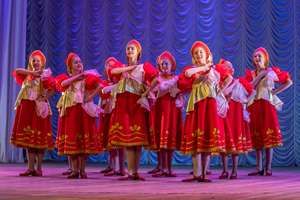
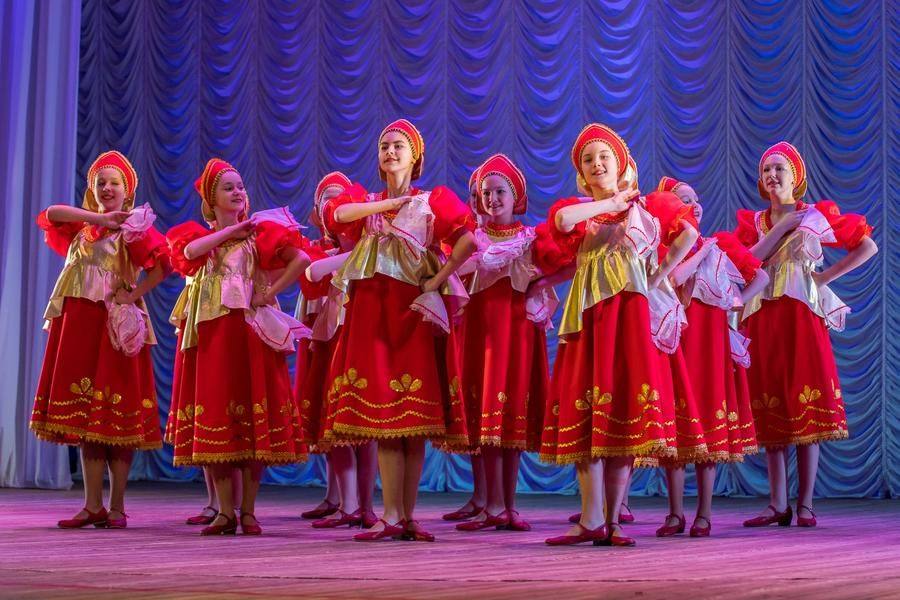
The concert opens with the famous “Kalinka”, performed by “Zefir” studio from the Omsk House of Friendship
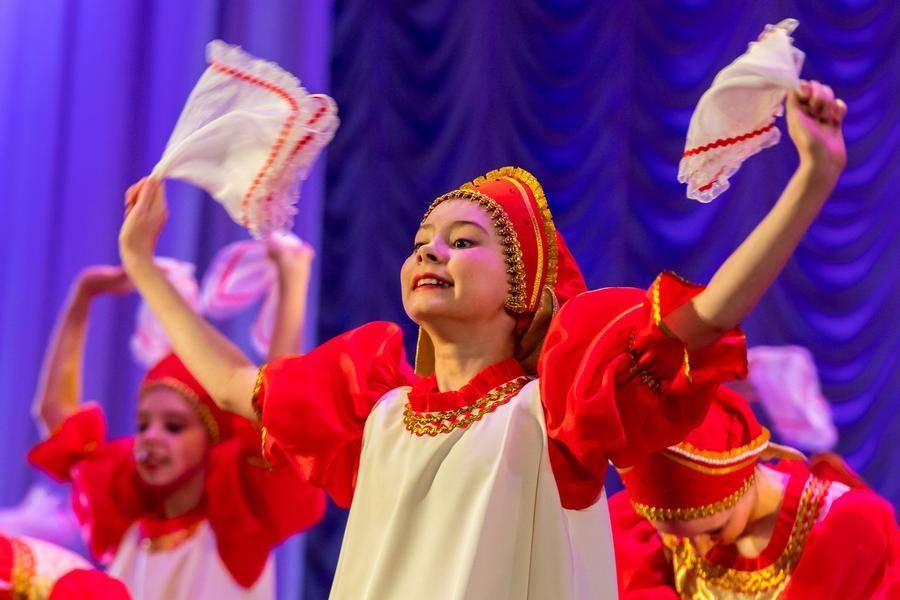
It seems no one can stay indifferent to these familiar melodies
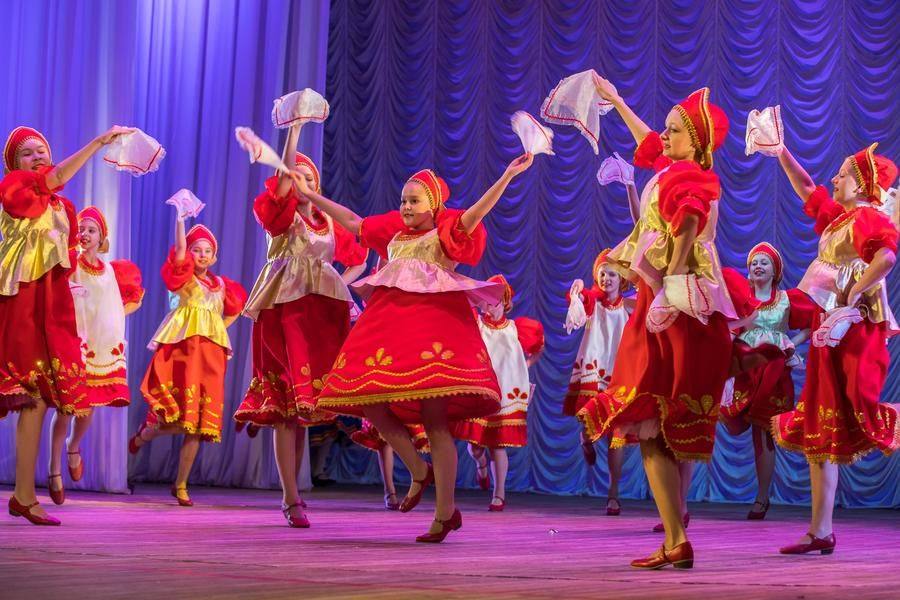
The dance’s distinctive feature is the alternation of slow and fast rhythms, along with circular movement
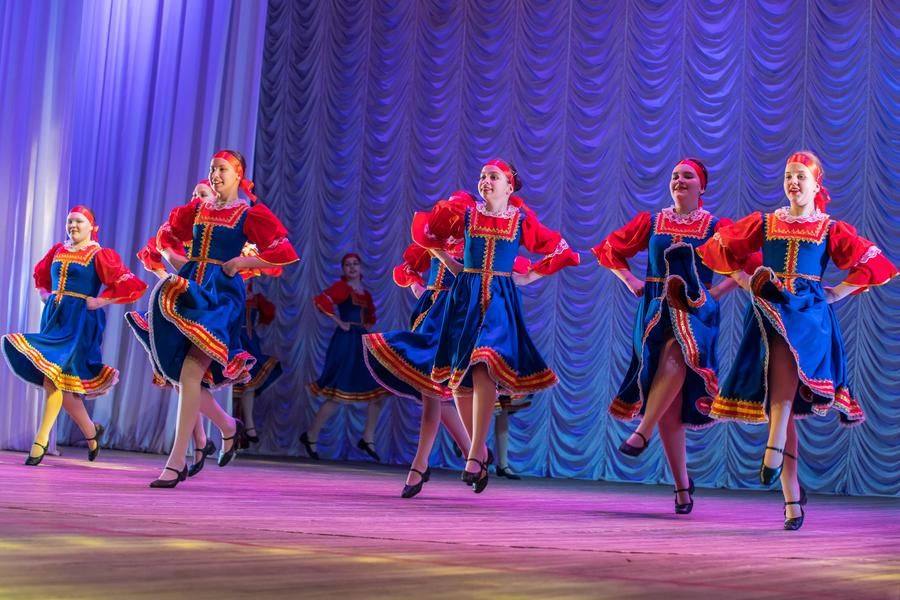
Next up: the “On the Wings of Dance” ensemble from Children’s Art School No. 13, with the Russian dance “Topotukha”
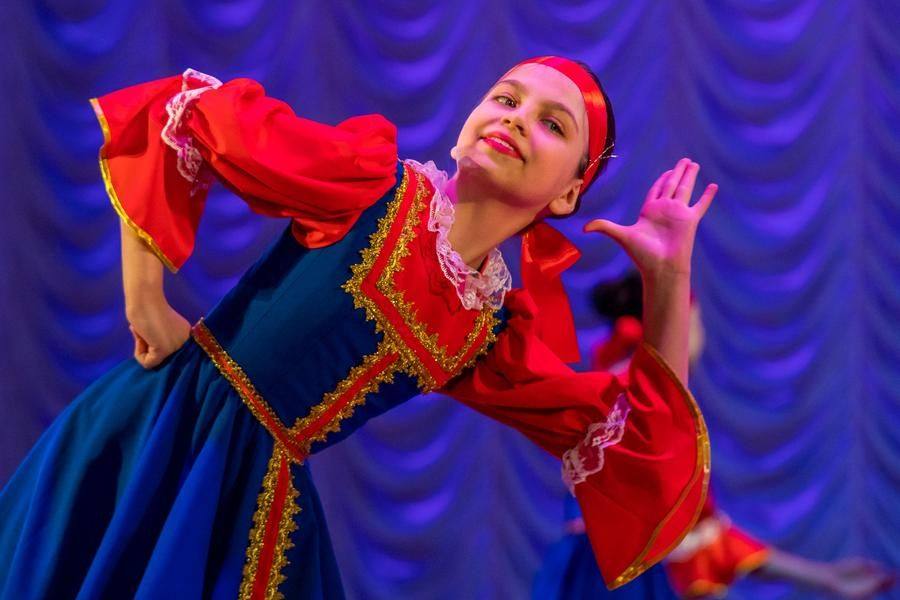
This is a spirited choreography that fully conveys the excitement and energy of youth
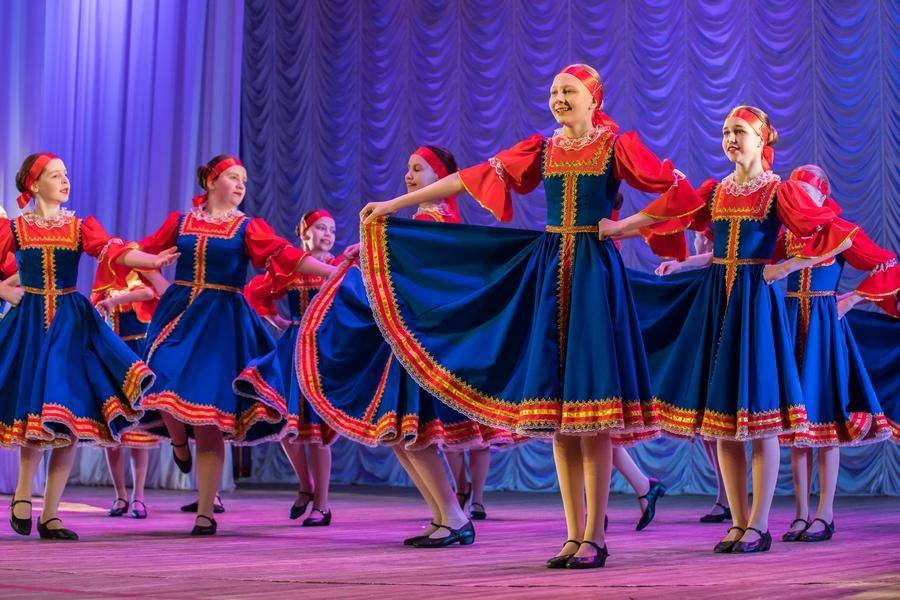
The sarafan and ribbons are an essential part of the stage costume
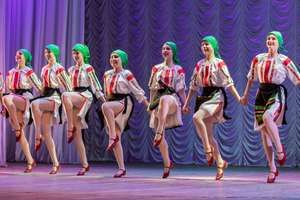
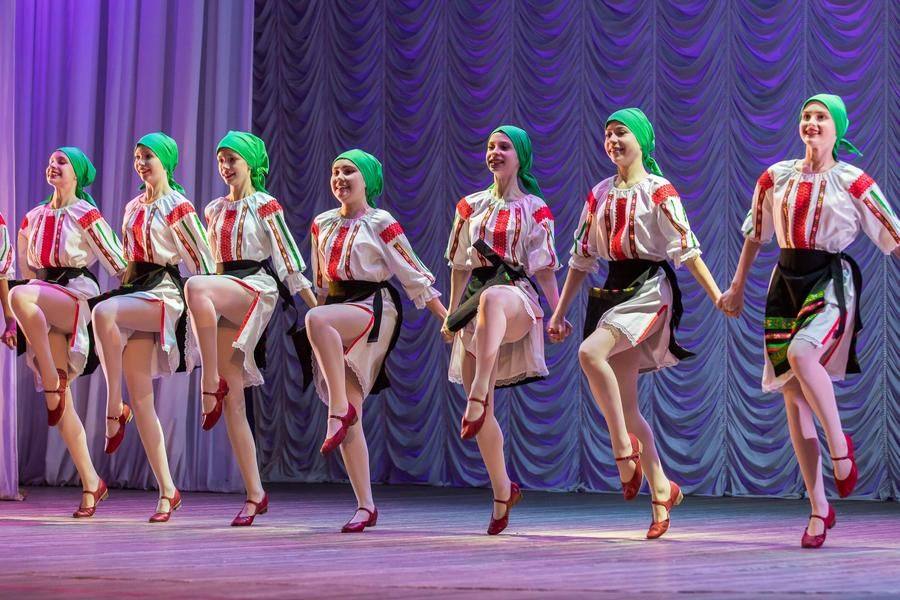
Let’s move a bit further west: Children’s Art School No. 3 prepared the Romanian dance “Kindiya”
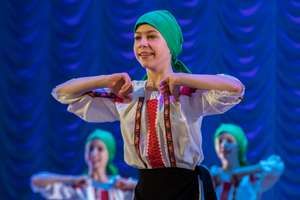
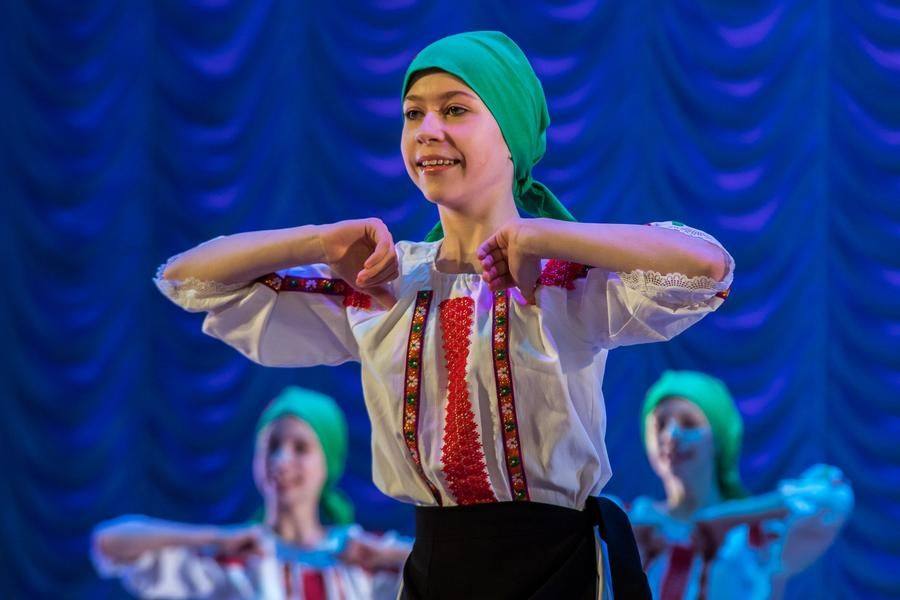
Like many dances from this region, it’s associated with the harvest festival
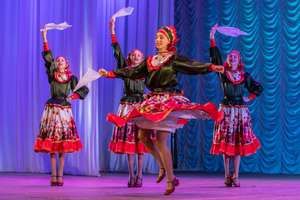
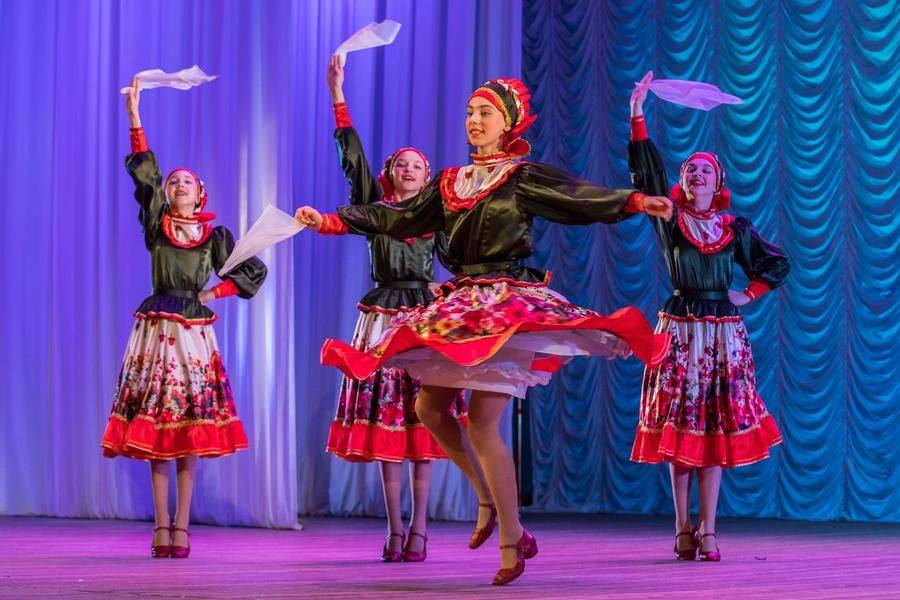
And now, back home to welcome the preparatory studio of the “Blizzard” ensemble
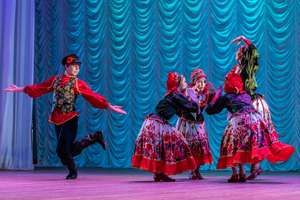
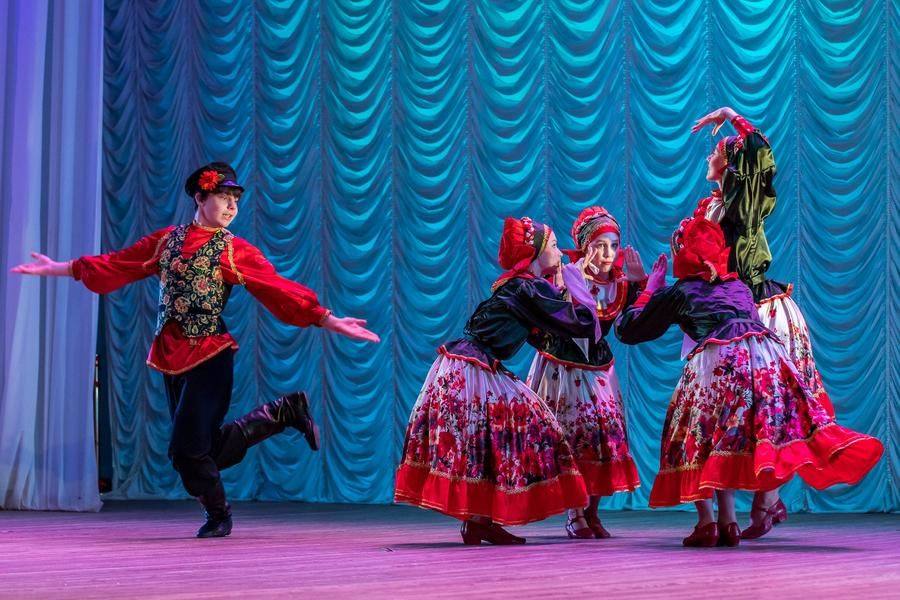
The number is called “Brides”, and here comes the main character — the picky groom
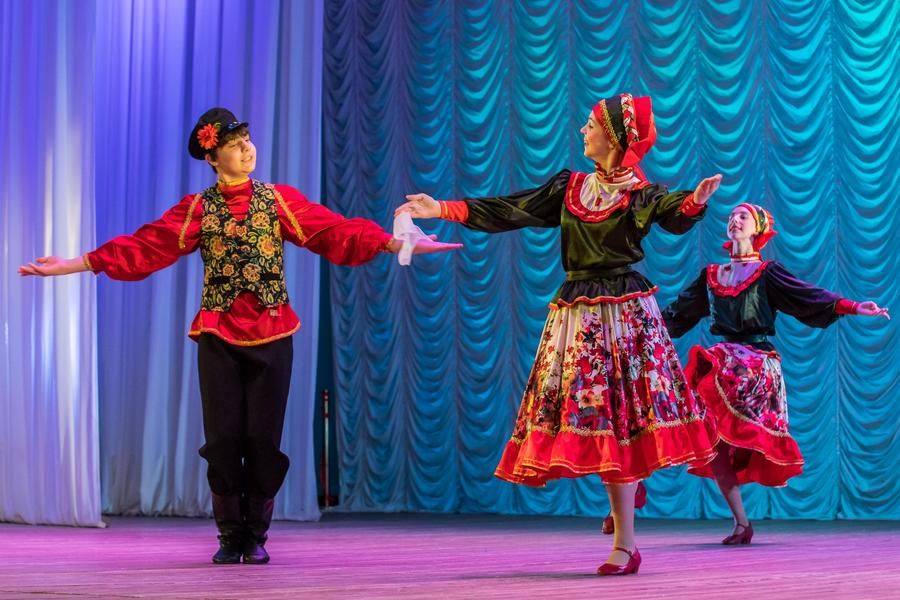
This is a narrative dance with a clear and dynamic storyline
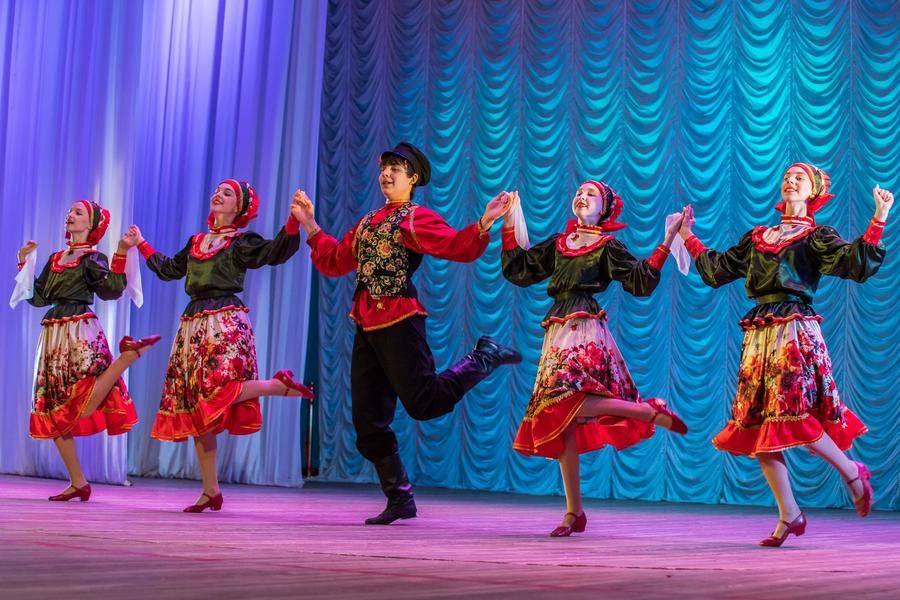
The colorful costumes emphasize the theme of the story
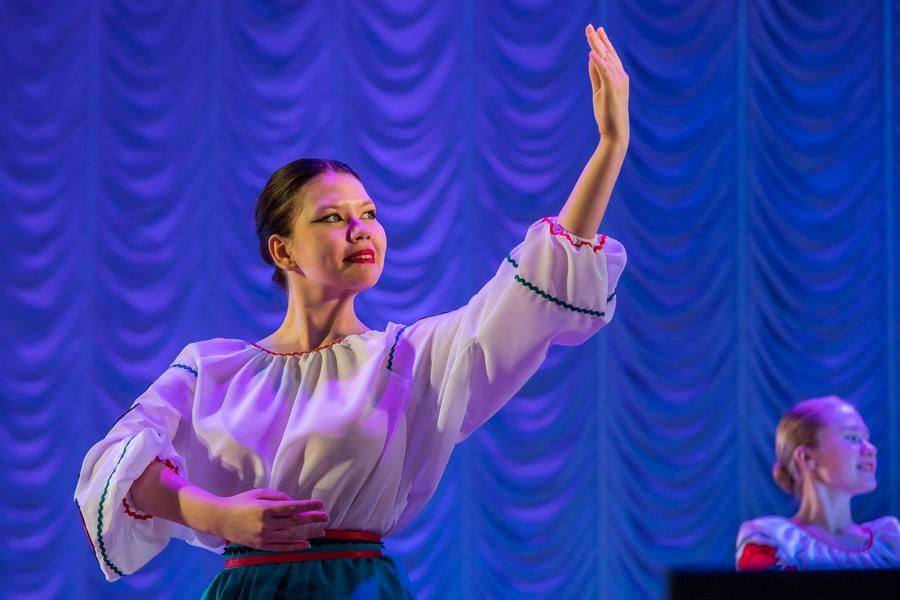
The Moldovan dance “Hora and Syrba” is performed by the now‑familiar artists from Children’s Art School No. 13
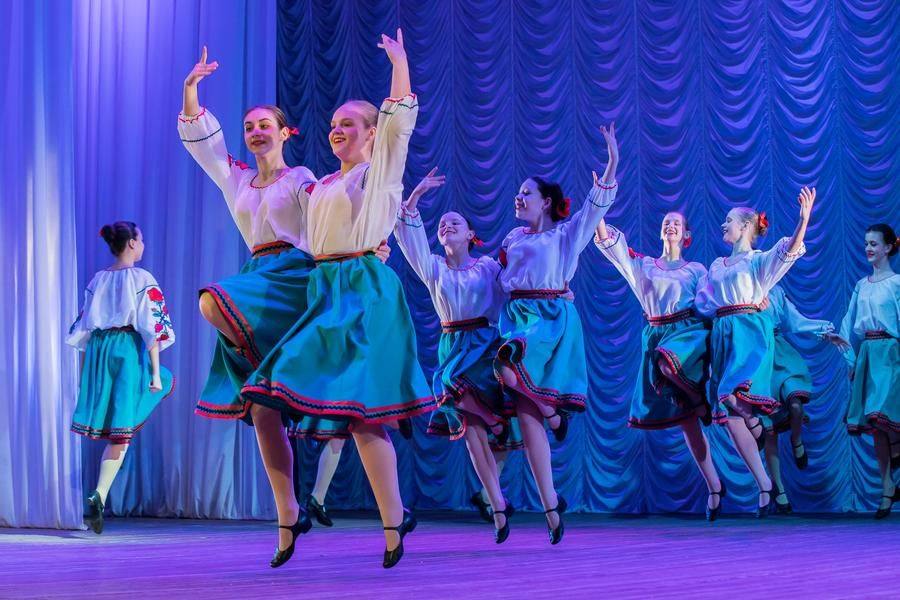
According to some sources, this is the oldest dance of this small southern country
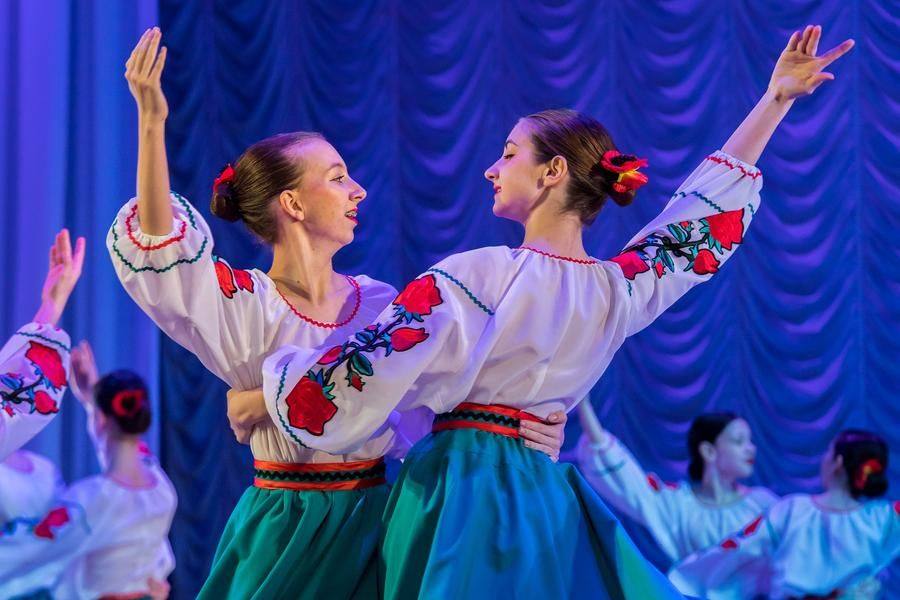
It carries echoes of ritual traditions
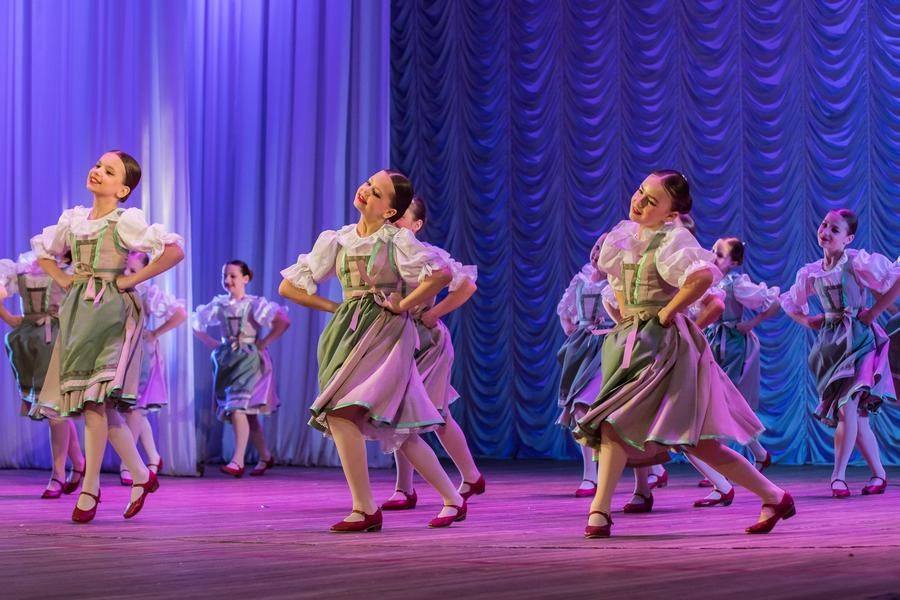
We welcome the “Terpsichore” ensemble from Children’s Art School No. 12 — they turned to the art of Germany
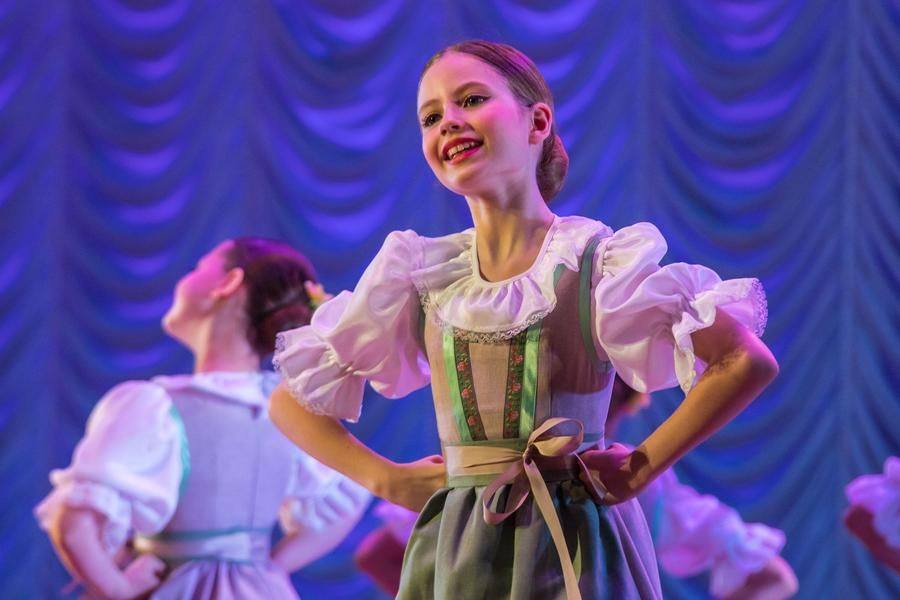
The girls are wearing dirndls, the traditional German folk costume
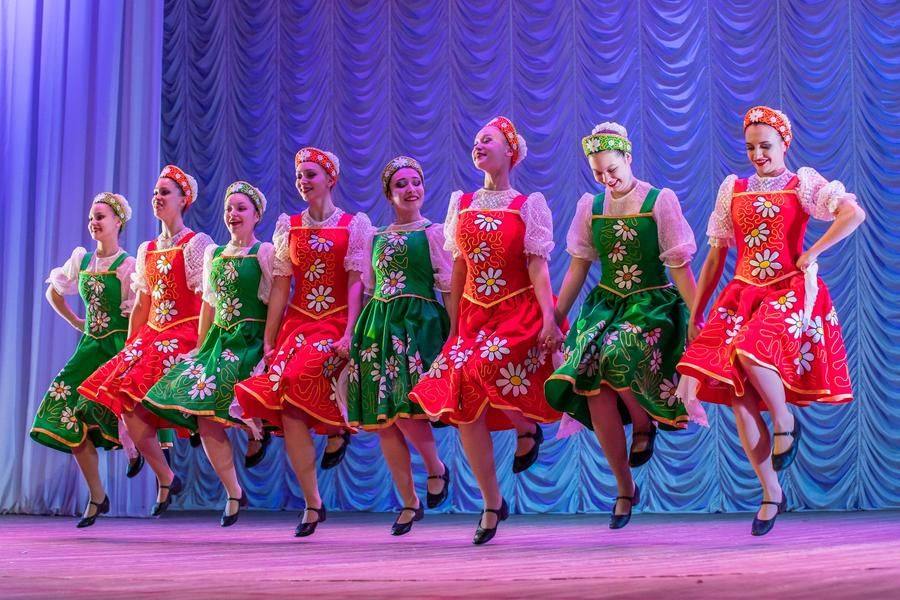
The “Kaleidoscope” group from the Amursky Youth Center chose the Russian dance “Vertushki”
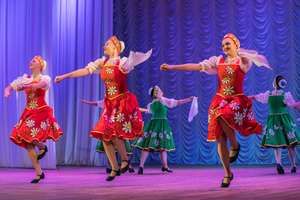
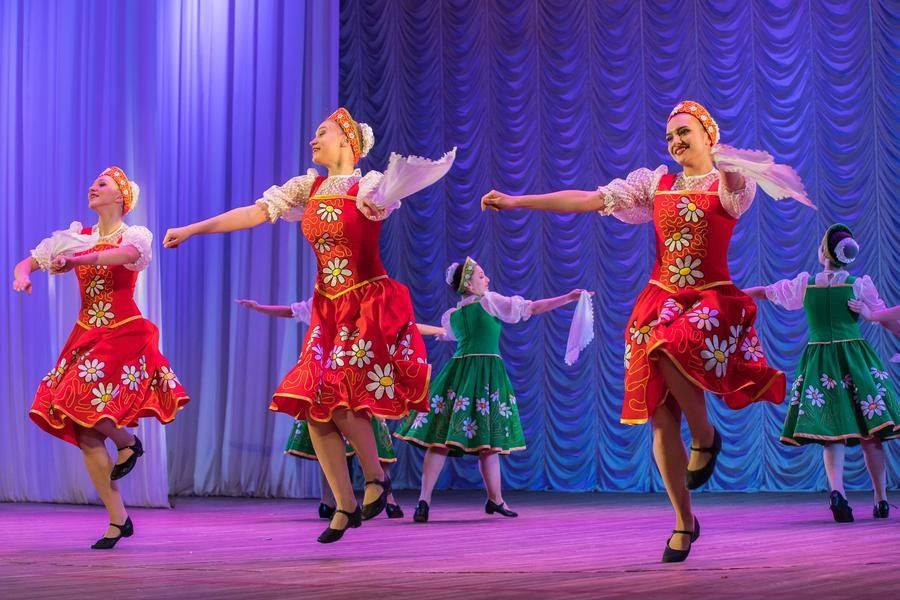
The scarf plays an important role in this number’s choreography
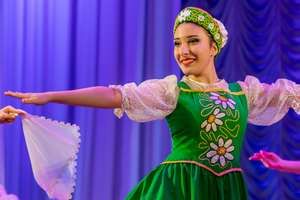
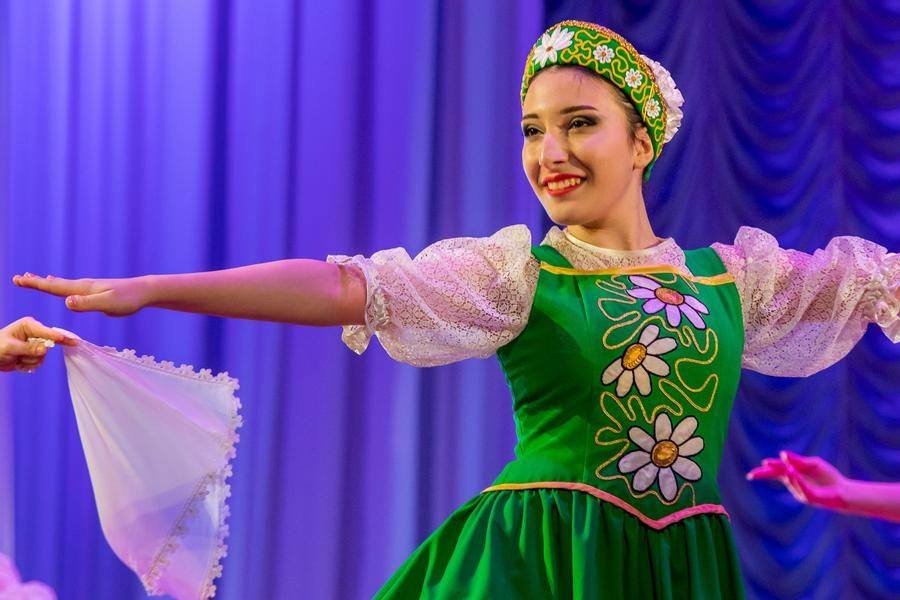
The bright outfits complement the cheerful, rhythmic music
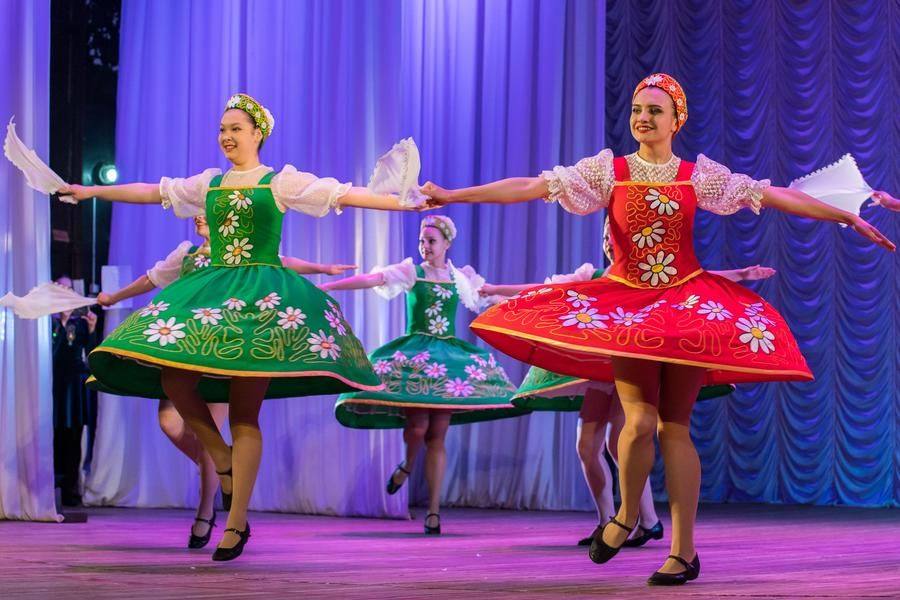
A common element in Russian folk dance is spinning — or, put simply, a “vertushka”!
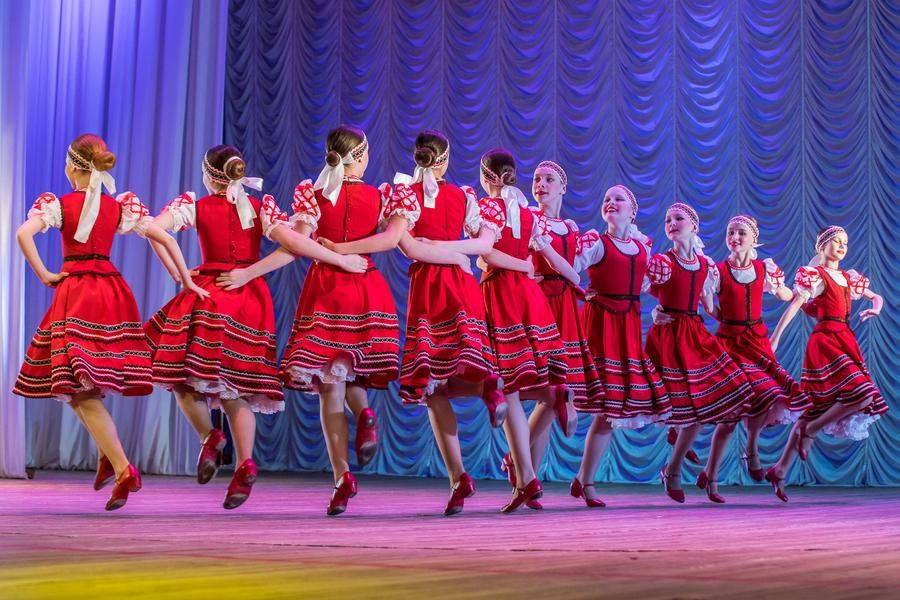
The “Terpsichore” performers from Children’s Art School No. 12 manage to change costumes in time
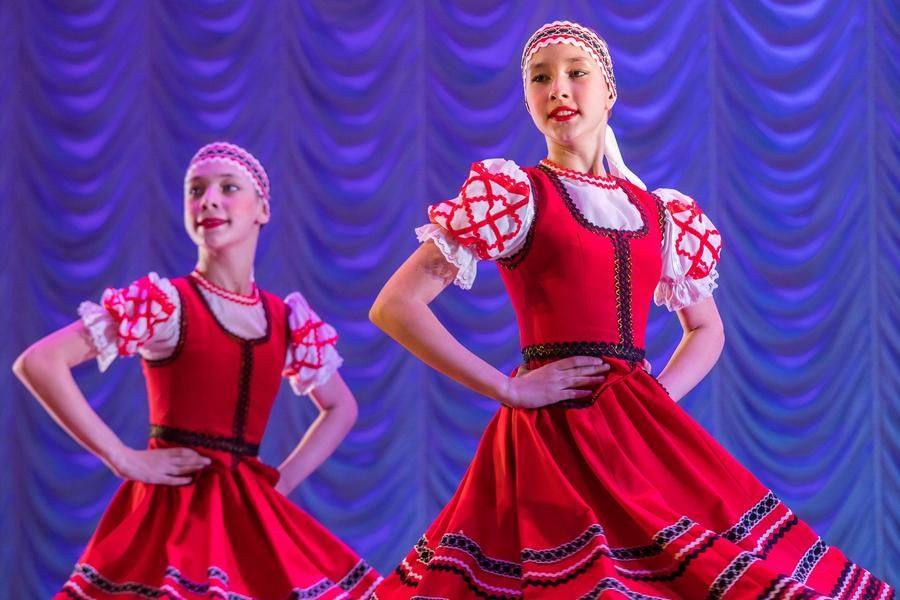
Now they appear as Belarusian girls, performing the dance “Krutuha”
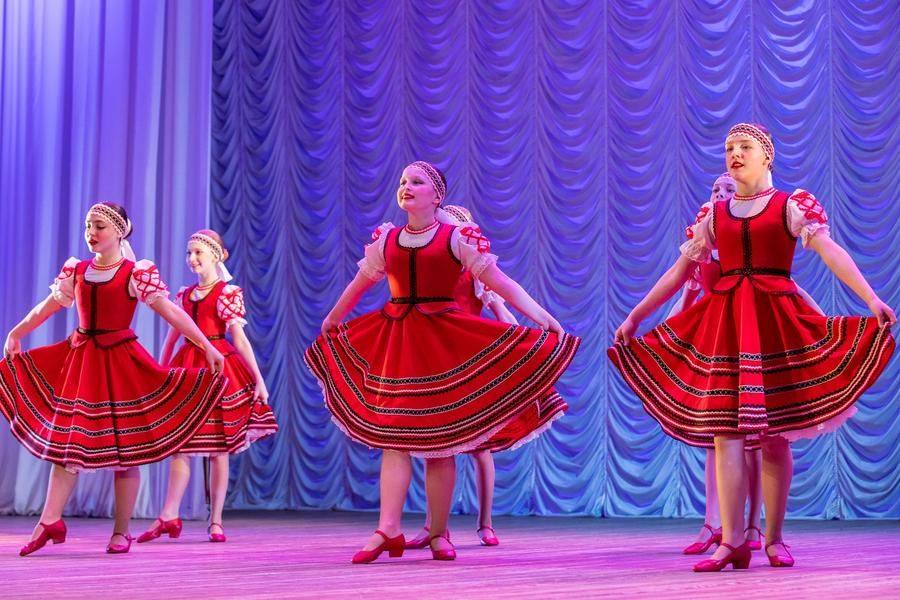
This dance also features many spins, but the movements differ from those in Russian folk dance
Discover Asian Legends
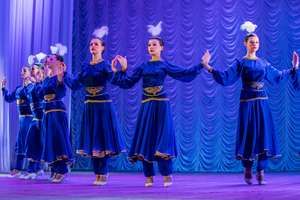
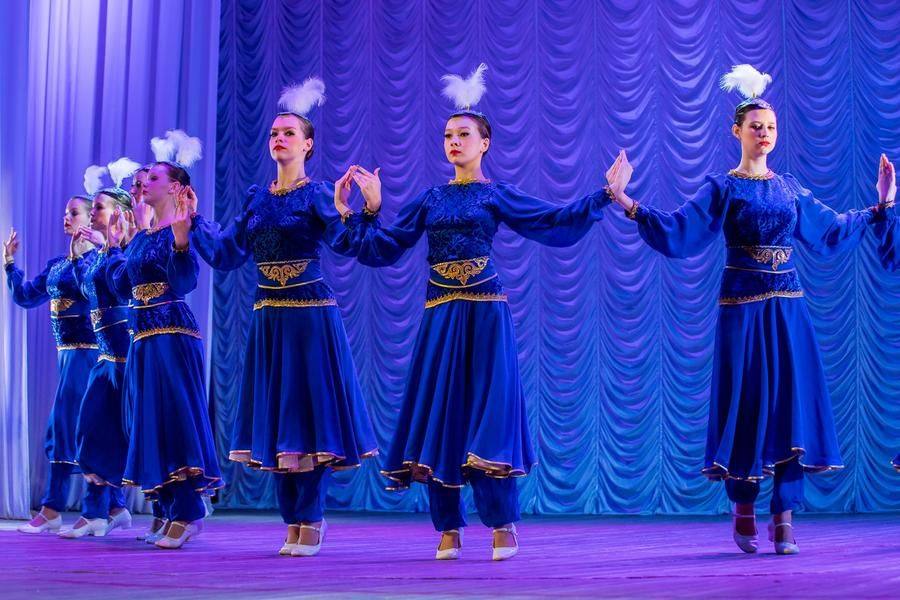
The Morozovo Cultural Center sent the exemplary “Souvenir” ensemble to the festival
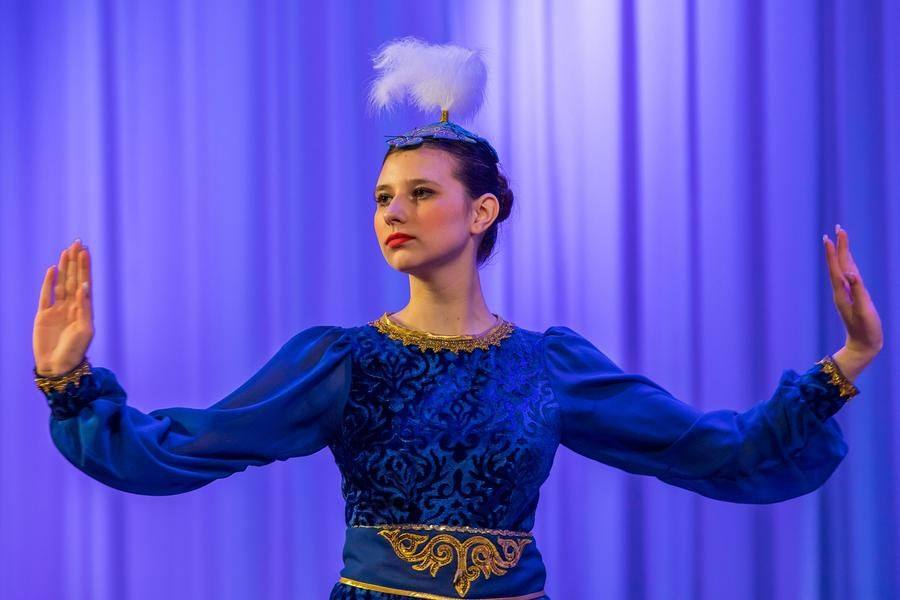
Their dance is based on the Kazakh legend “The Birth of the Sun”
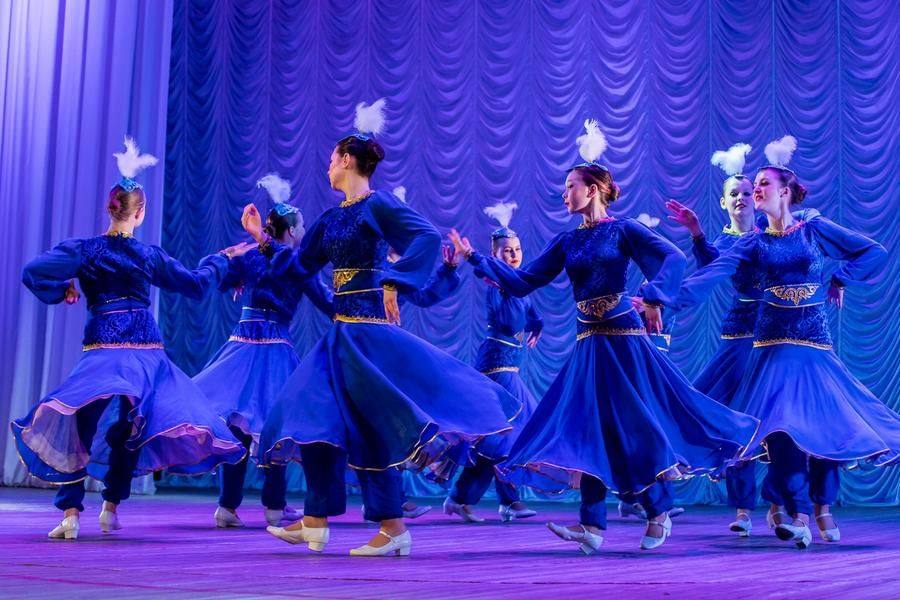
The round dance is often used in stories about this heavenly body
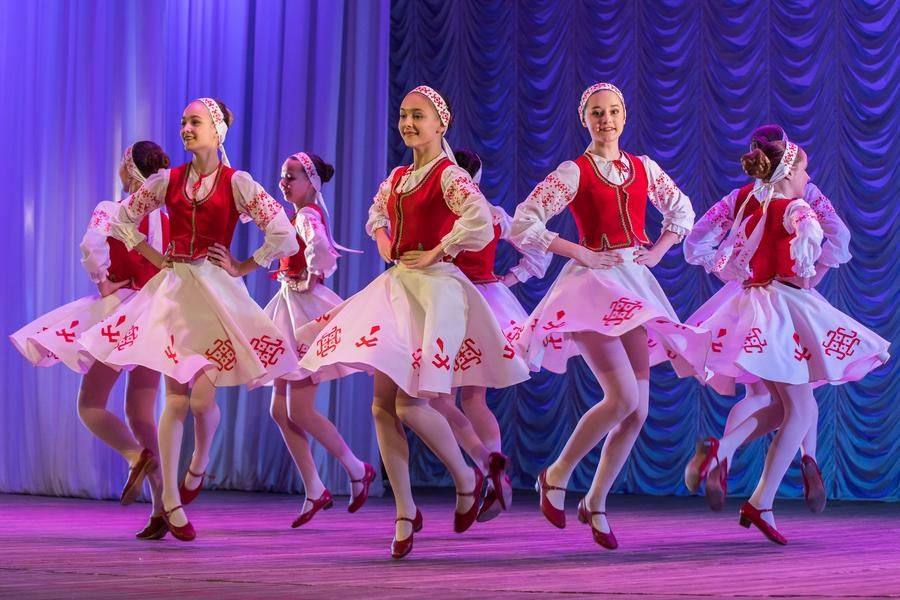
And back on stage — Children’s Art School No. 3 with a Belarusian polka
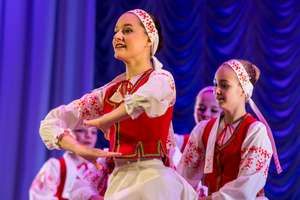
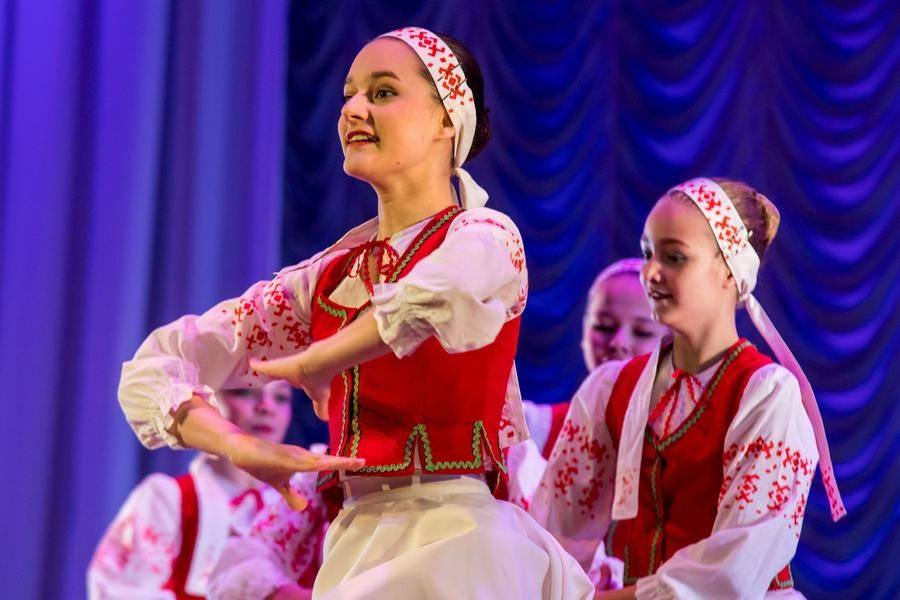
This Slavic folk dance has acquired its own distinctive features in each region
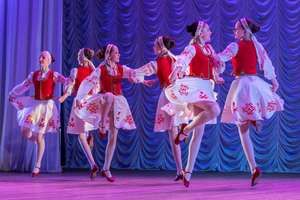
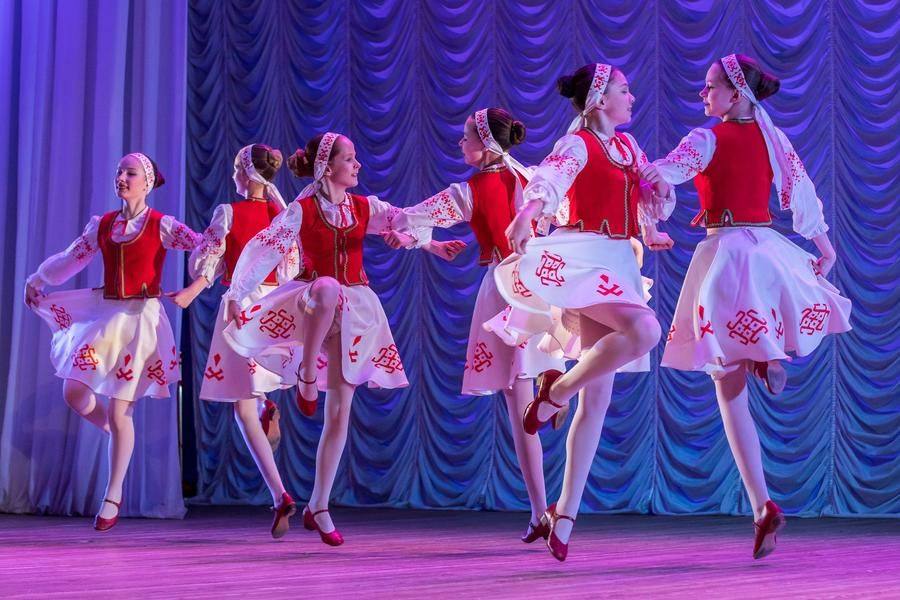
Among the movements are single‑leg hops within a paired circular rotation
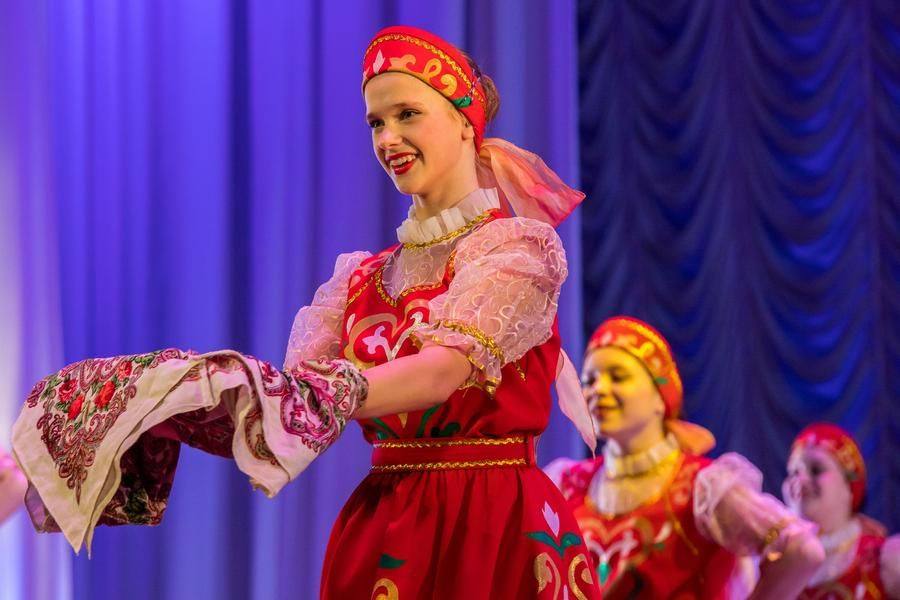
The “On the Wings of Dance” ensemble from Children’s Art School No. 13 performs the Russian folk dance “Zadornaya”
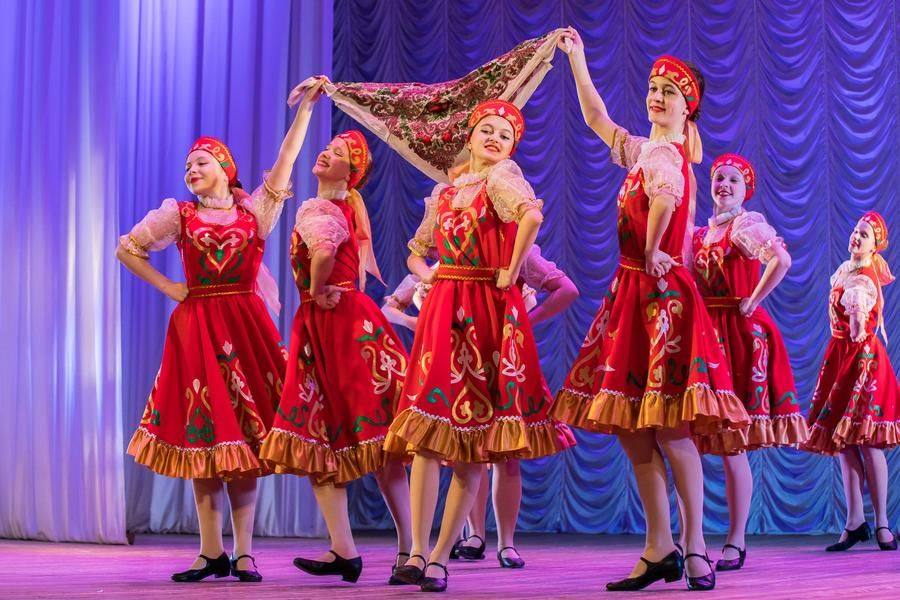
The scarf here acts as a connecting element in the women’s dance
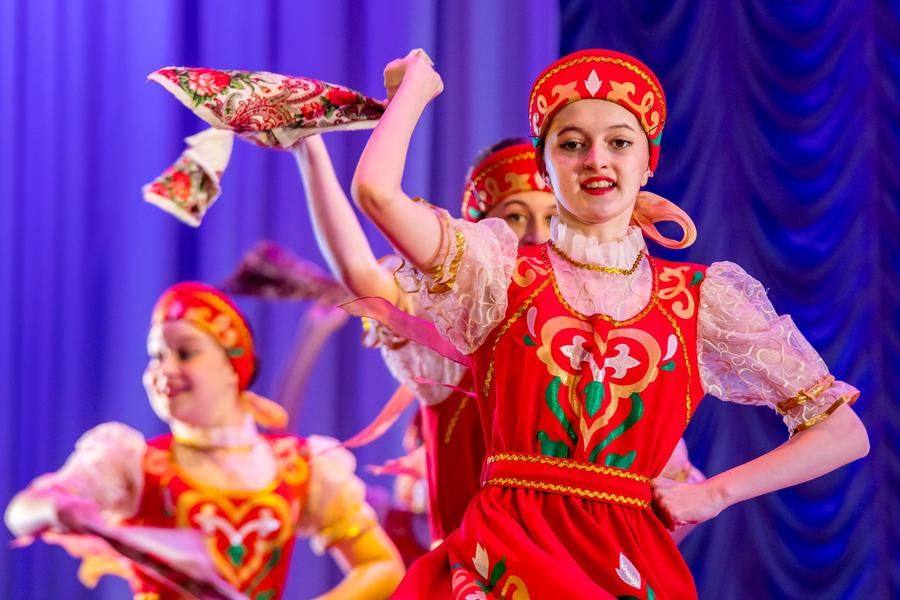
The expressiveness fully matches the dance’s name
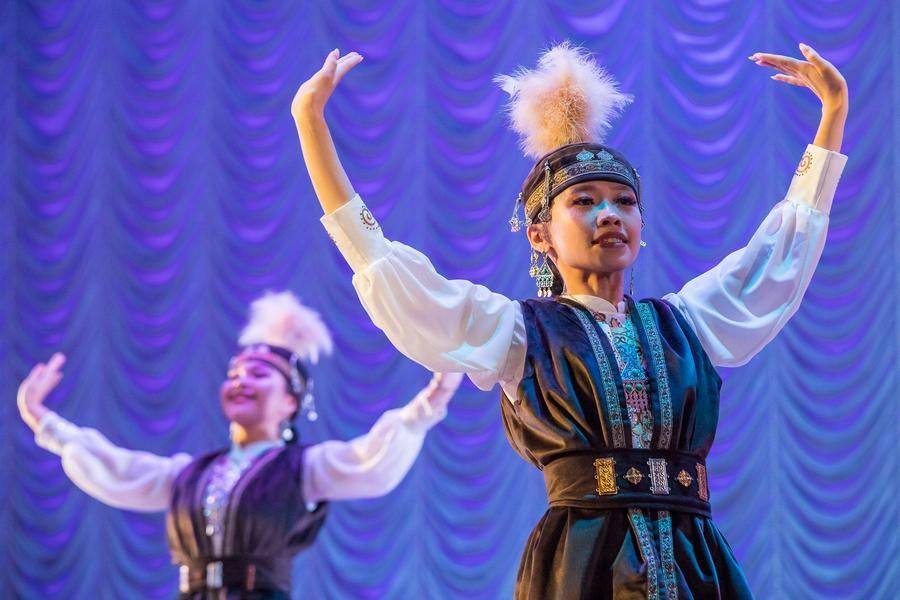
The highlight of the program is the “Azhar” ensemble with the dance “Zhatsan Duman”
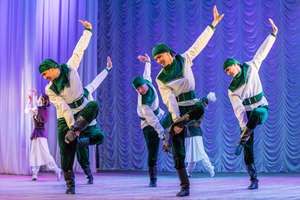
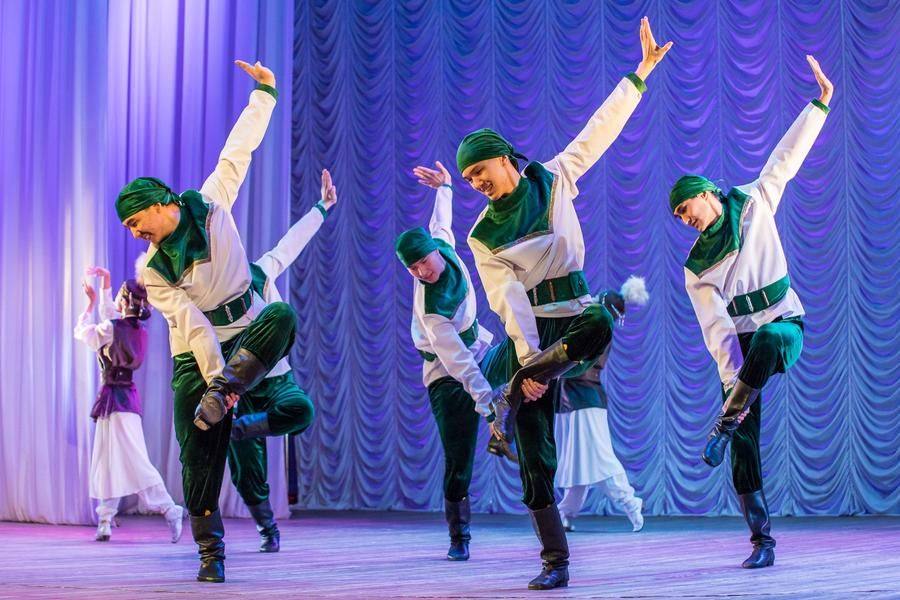
The performers are well known among connoisseurs of traditional Turkic culture
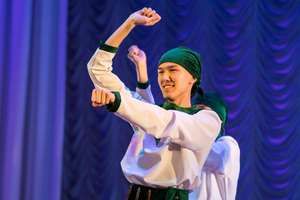
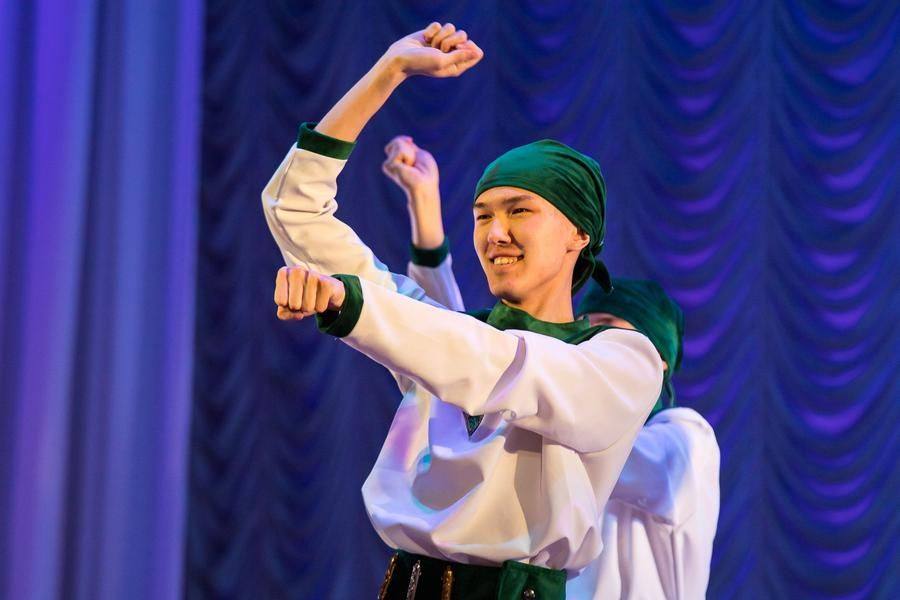
The choreography precisely conveys the mood of the piece
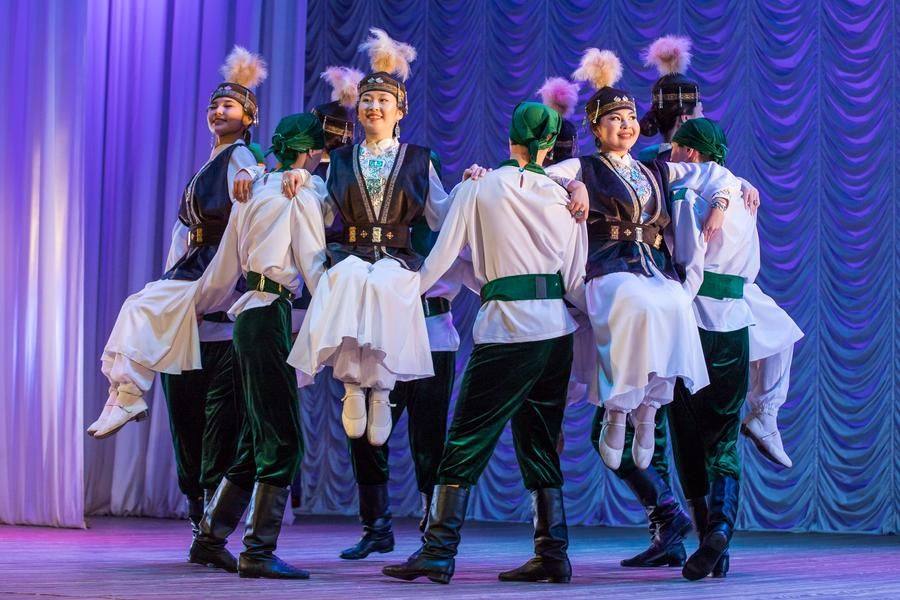
Yin and Yang, brought to life through dance
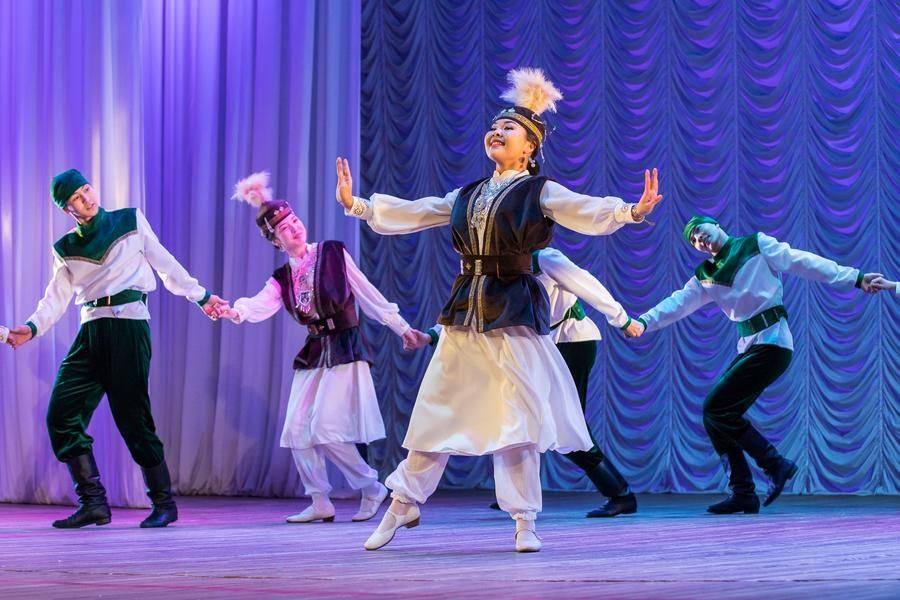
One of the ensemble’s mentors, Altyn Akhanova, takes the solo part
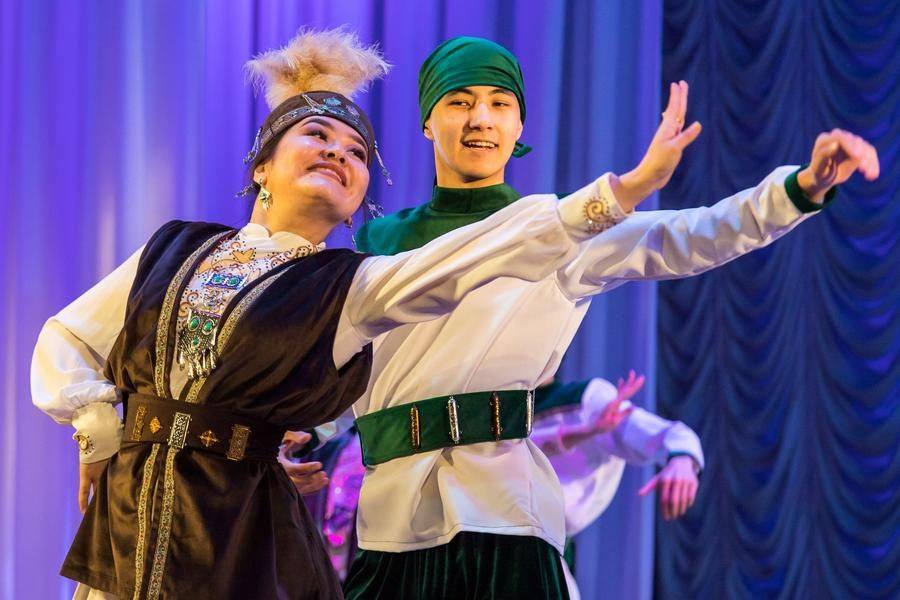
This vibrant, well‑coordinated, and truly unique ensemble has been performing for seven years now
Experience European Temper
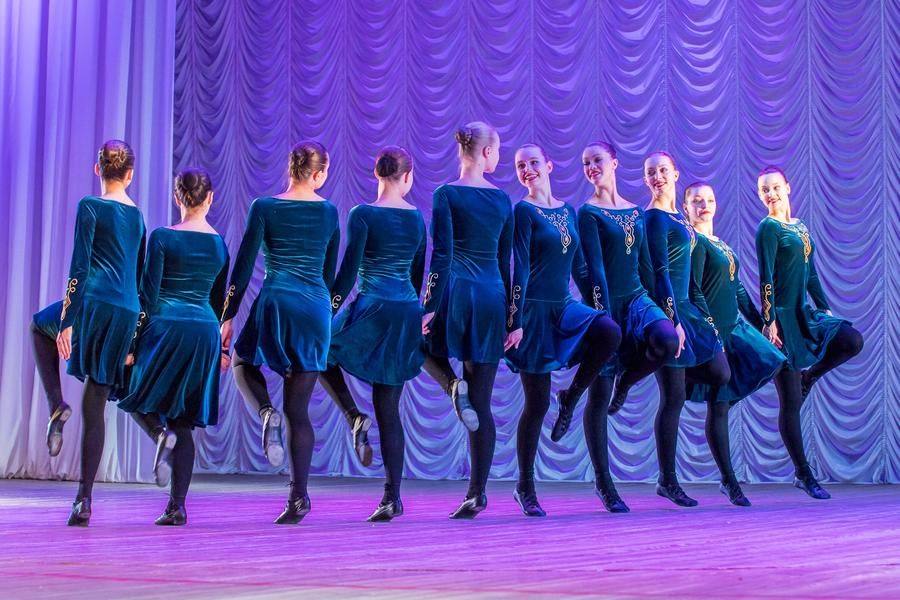
And we’re back in Europe: the “Kaleidoscope” group invites you to Ireland!
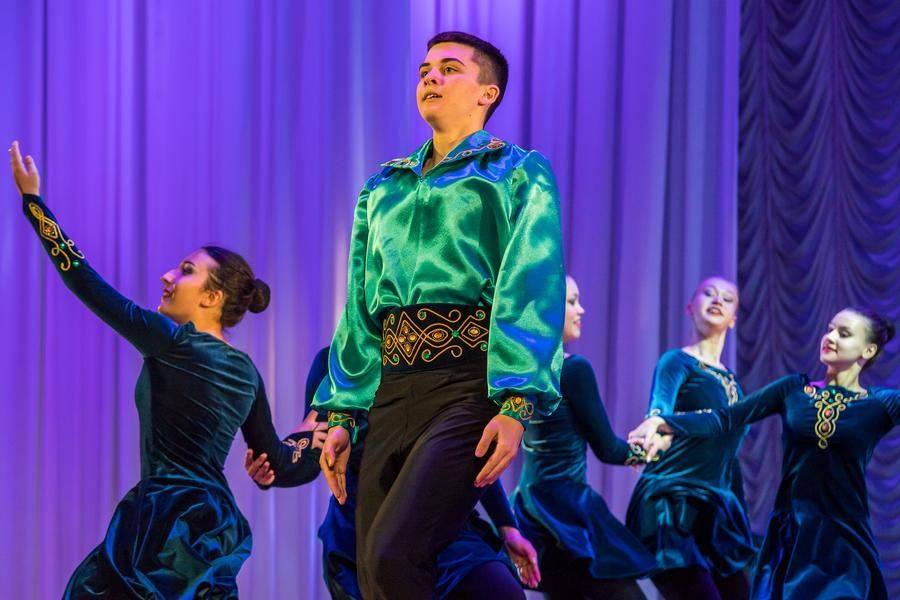
In Irish dances, the main emphasis is placed on the footwork
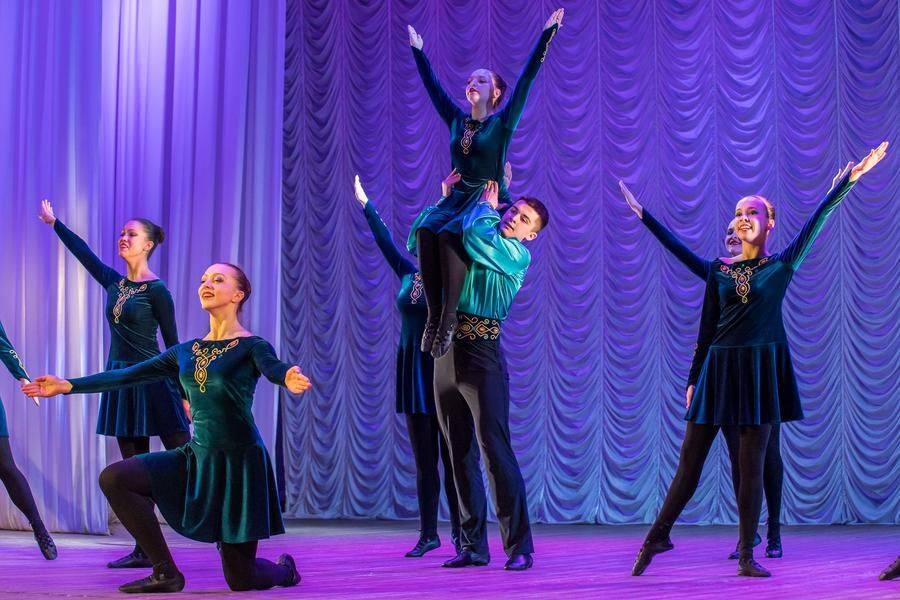
The number was warmly received by the audience
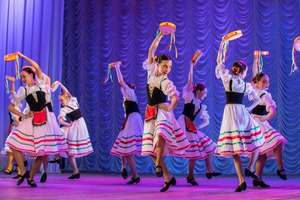
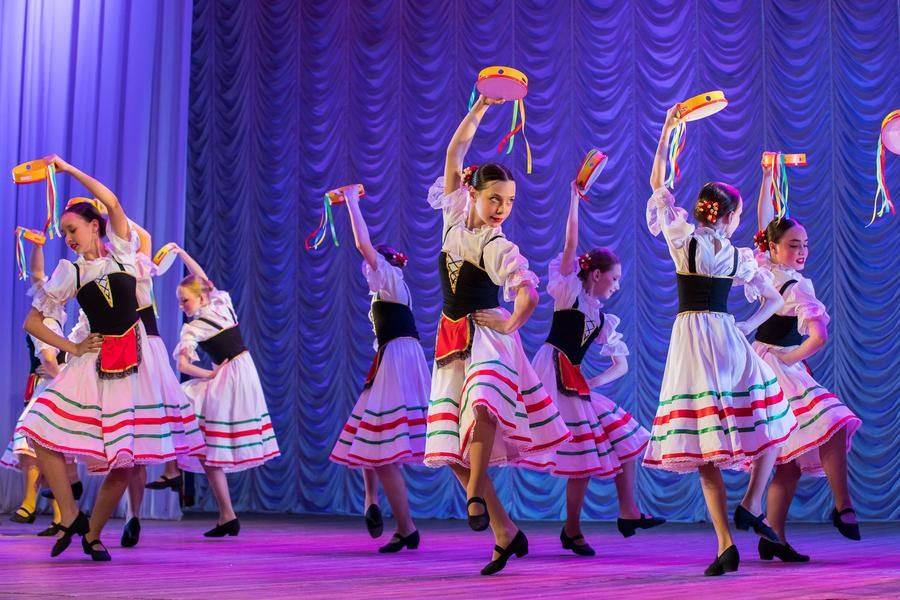
The “Terpsichore” ensemble from Children’s Art School No. 12 takes you to Italy with a tarantella
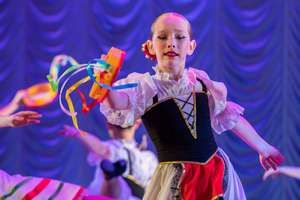
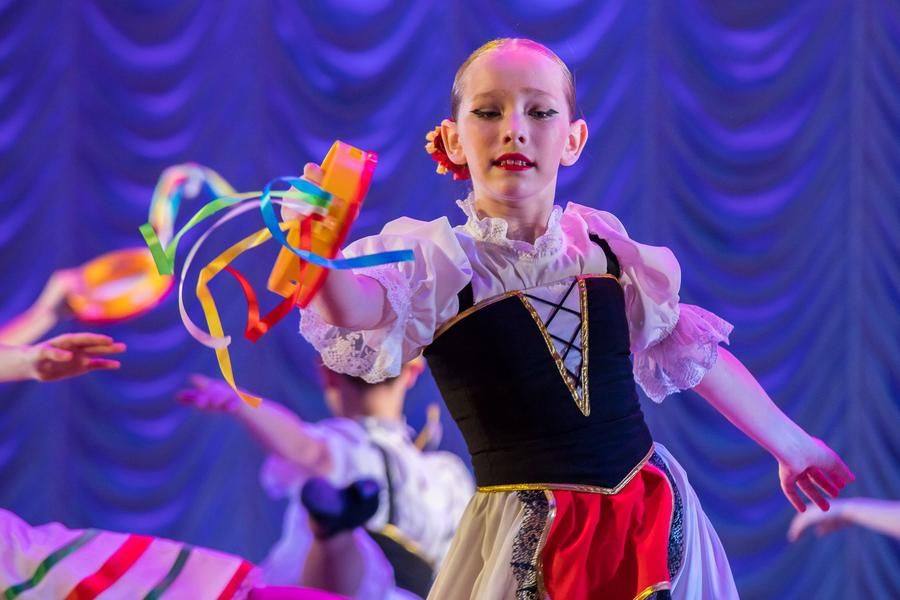
The ancient precursor of this dance was believed to be a ritual for driving away evil spirits
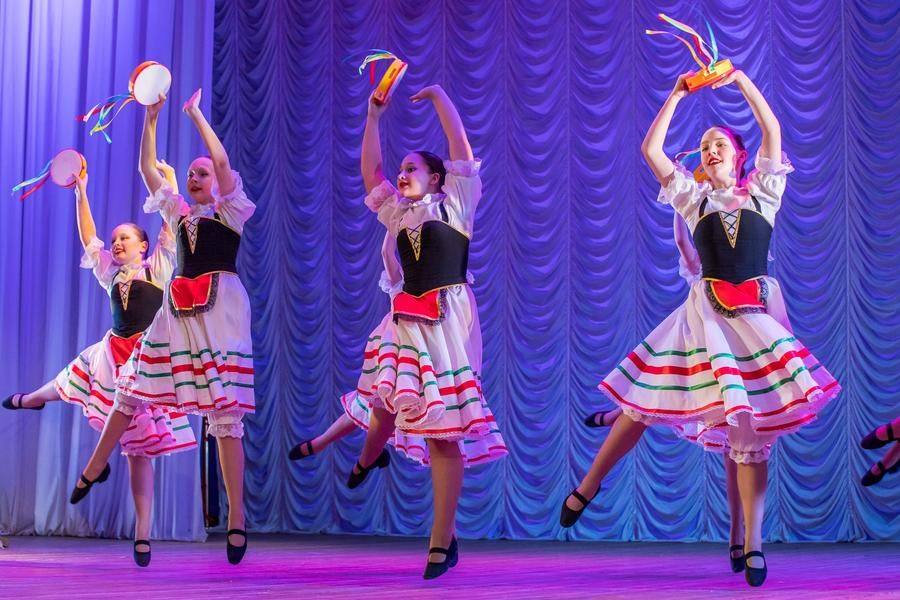
The explosive character of the tarantella has been a hallmark of the dance since the Middle Ages
Amplify with Complex Images
The Buryat dance “Yohor” is performed by Children’s Art School No. 13
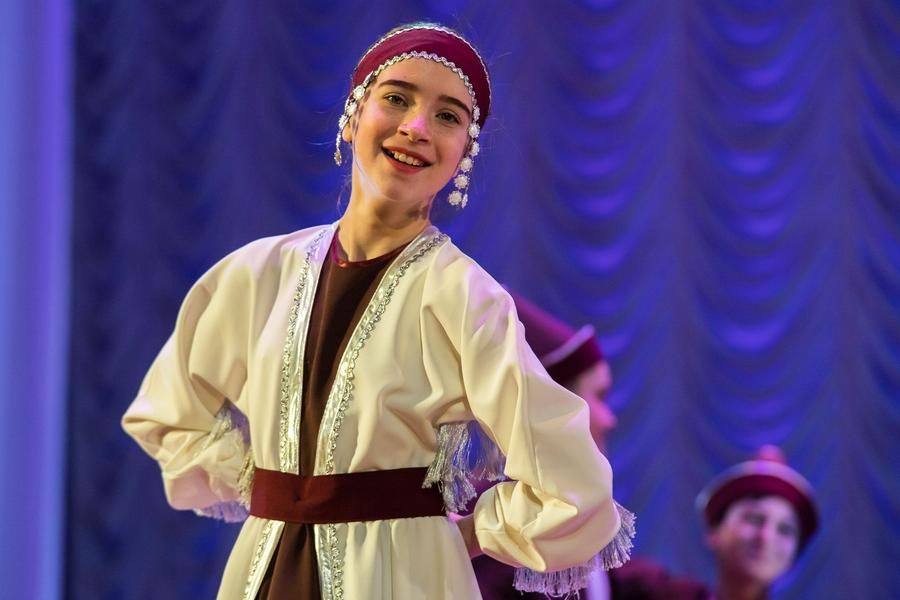
The girls from the “On the Wings of Dance” ensemble embody graceful swan maidens
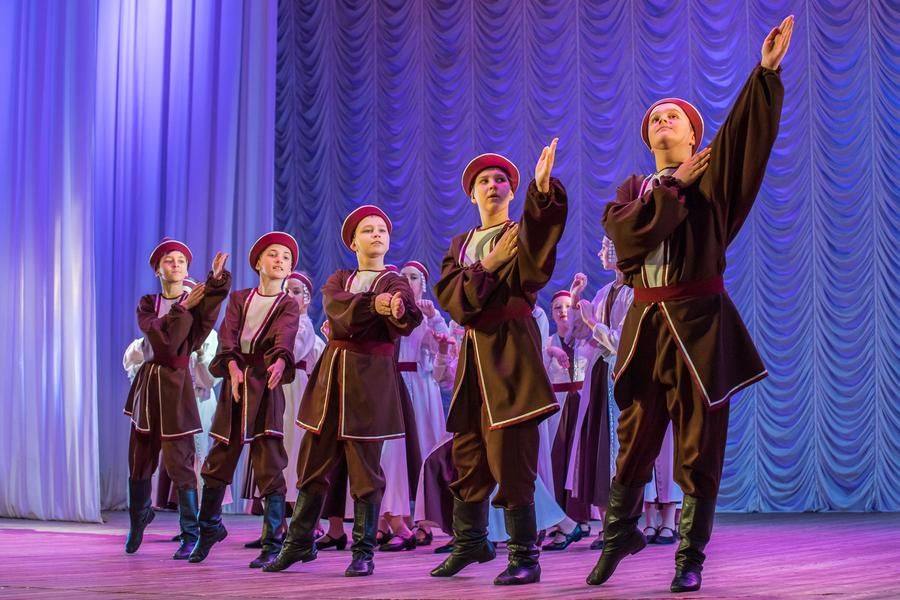
They are supported by the mighty steppe strongmen, adding strength and narrative to the piece
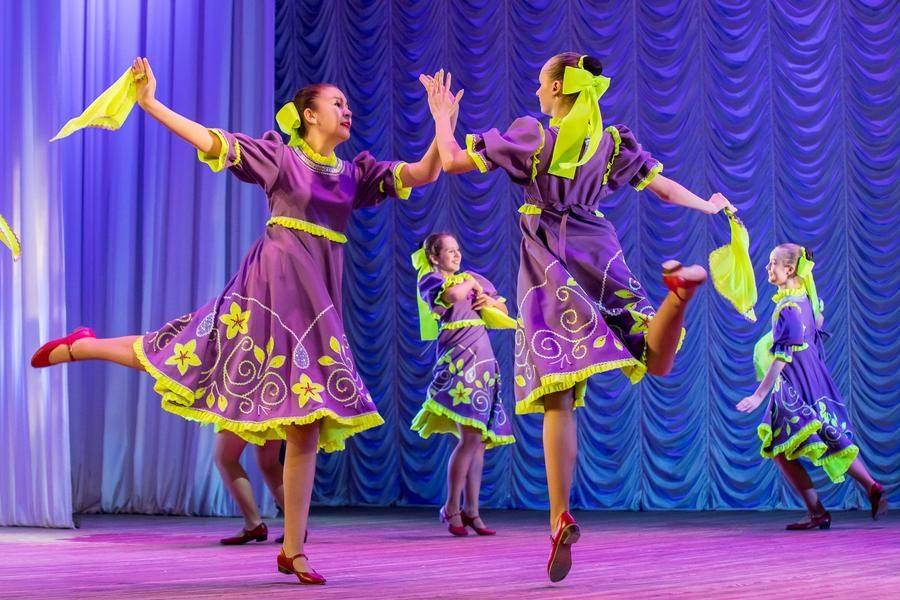
The Russian dance “Devchushki‑Veselushki” comes from the creative repertoire of the “Zefir” studio
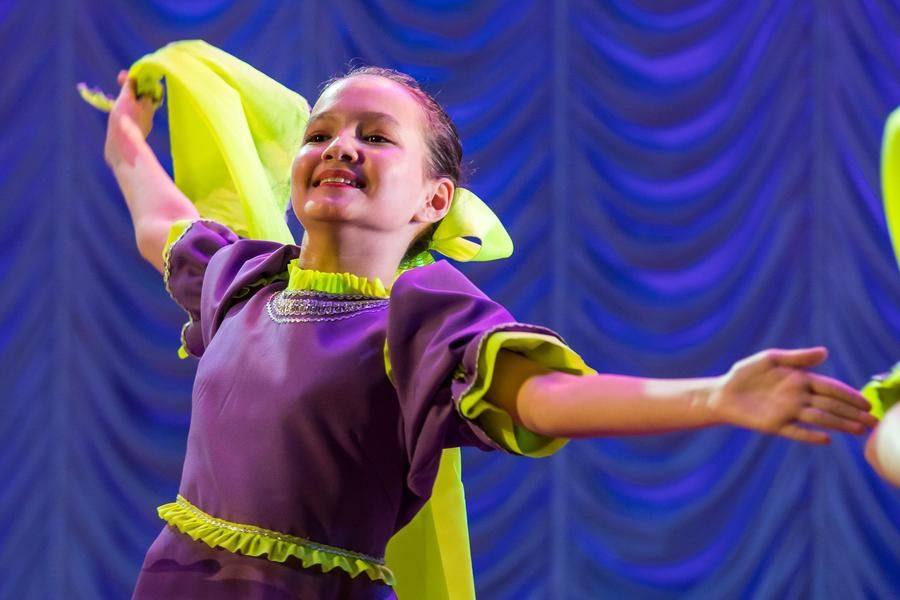
The music is spirited, and the costumes are strikingly expressive!
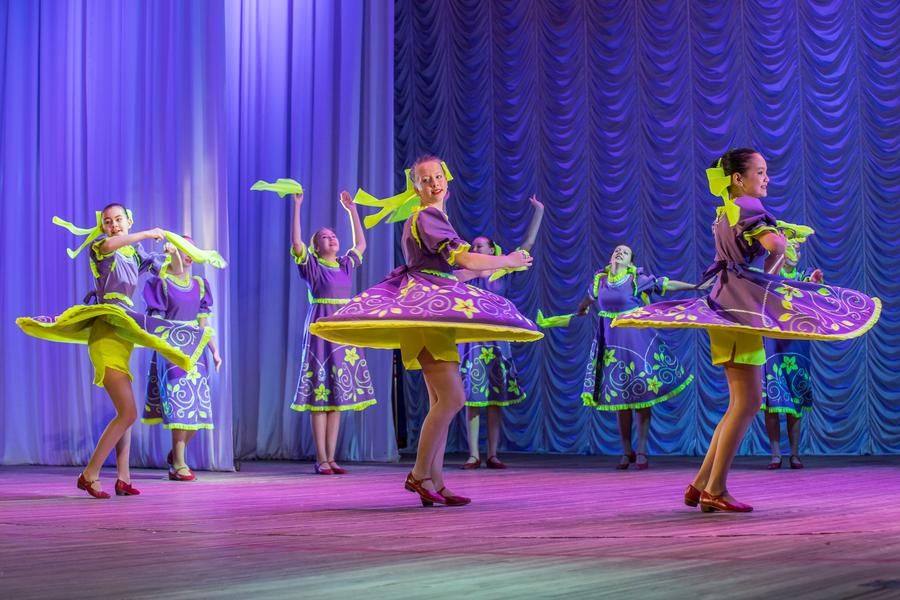
Even the familiar spinning movements are reimagined each time, bringing fresh energy to the performance
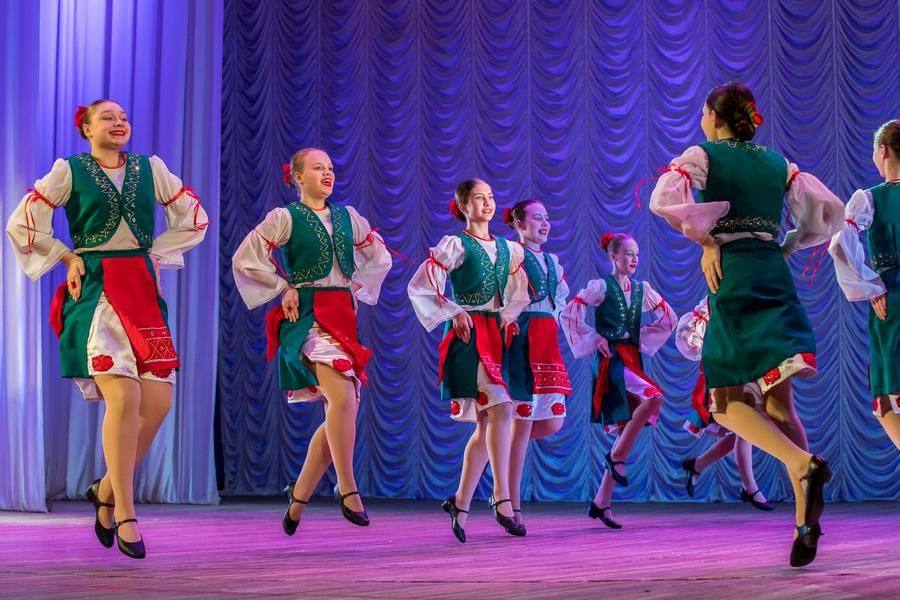
Indeed, the name “On the Wings of Dance” fits this Children’s Art School No. 13 ensemble perfectly!
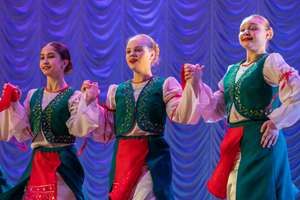
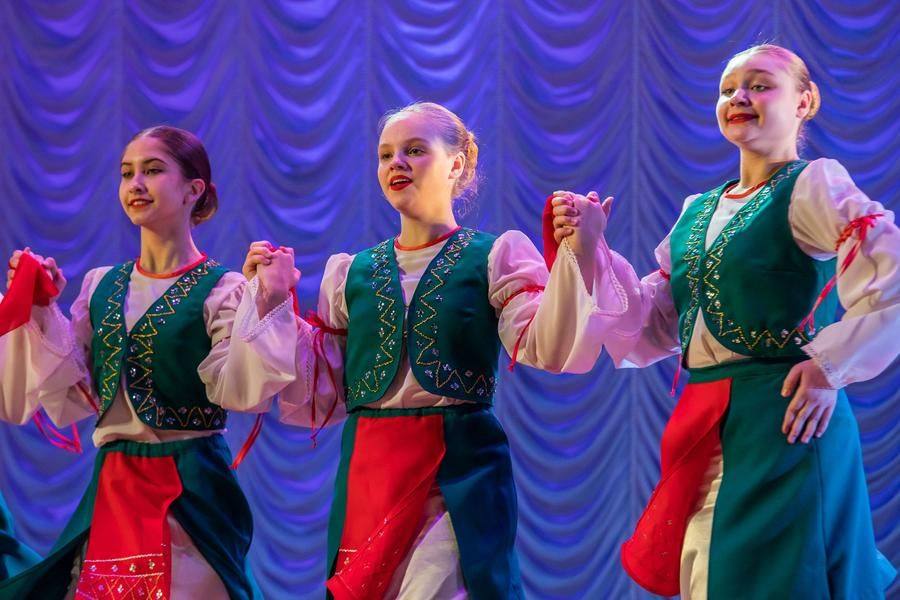
Their interpretation of the Bulgarian hora is a beautiful, classic staging
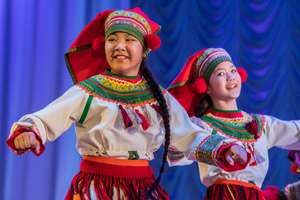
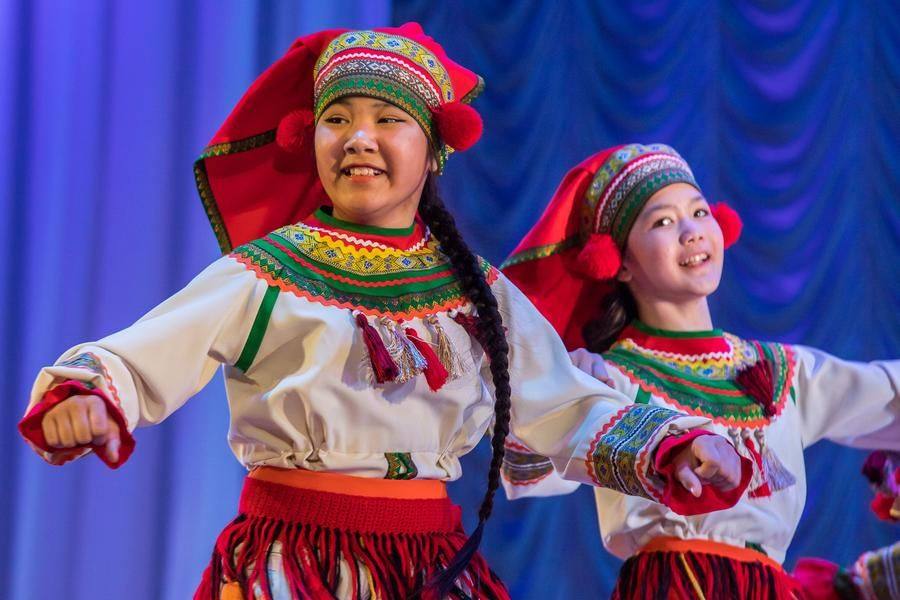
Making its festival debut is the “Friendship” ensemble from Children’s Art School No. 20
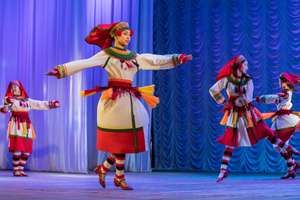
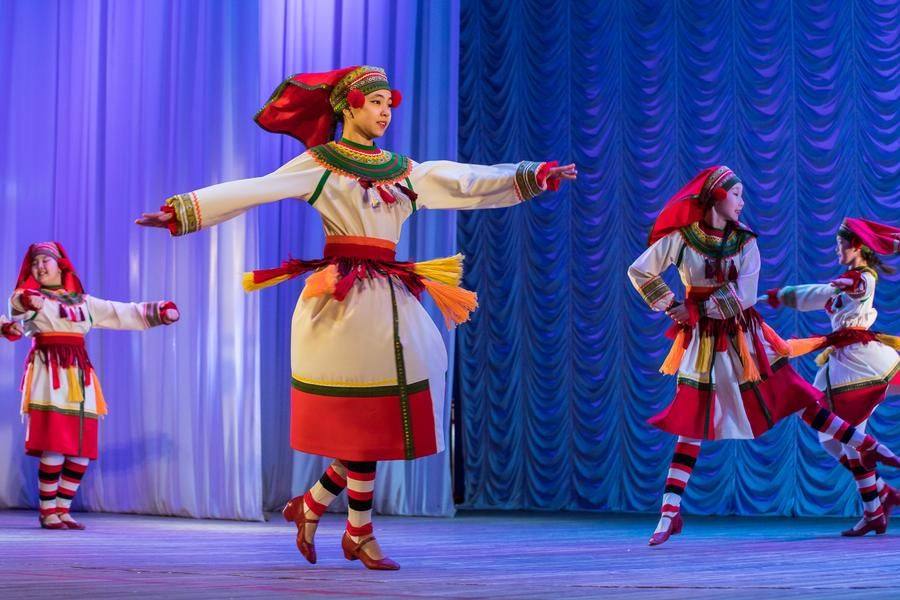
The Mordvin dance “Mokshan Vikhlyavitsy” is rooted in traditional folk movement
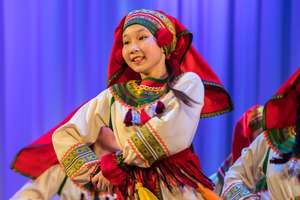
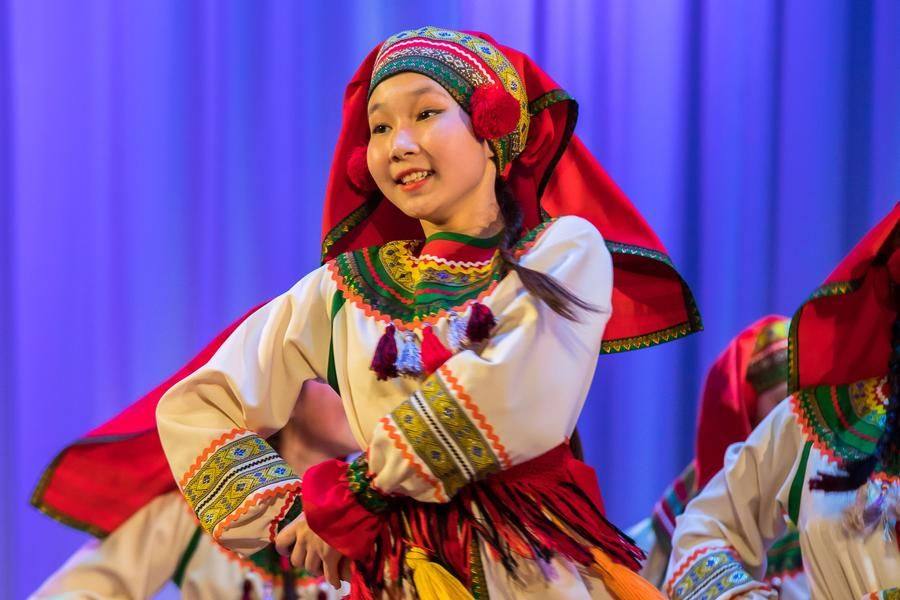
The production will be remembered not just for its choreography, but also for its stunning costumes
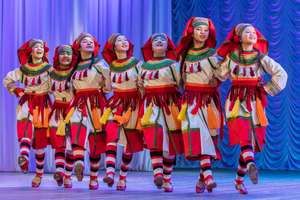
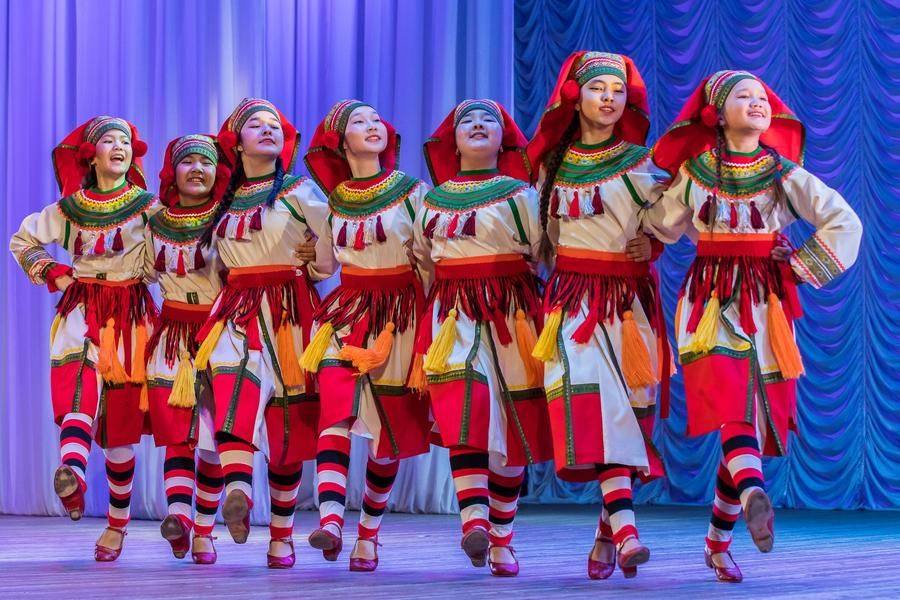
Undoubtedly, this number became a true highlight of the concert
Marvel at the Geography of Dance
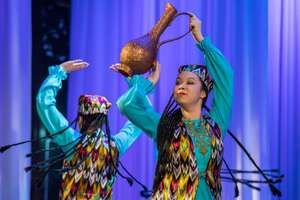
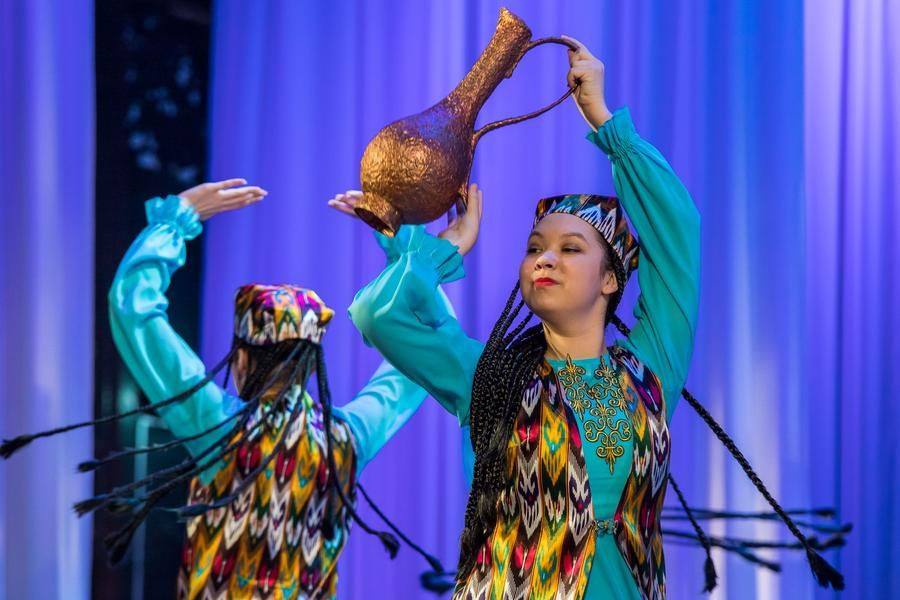
The “Kaleidoscope” group impresses with the breadth of its program: the Uzbek dance “By the Stream”
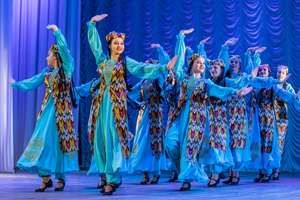
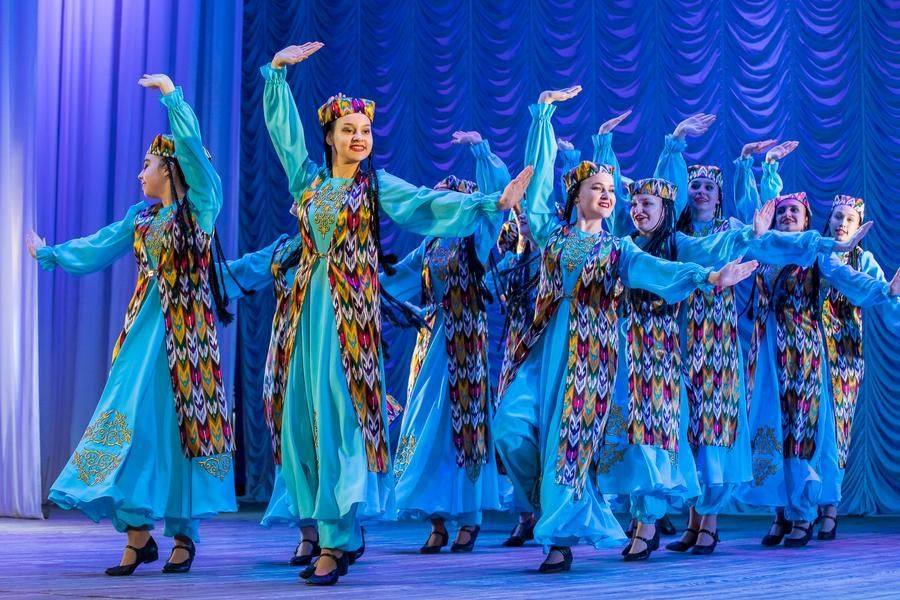
With so many performers, it’s no wonder the act needs a large stage
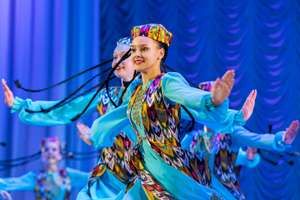
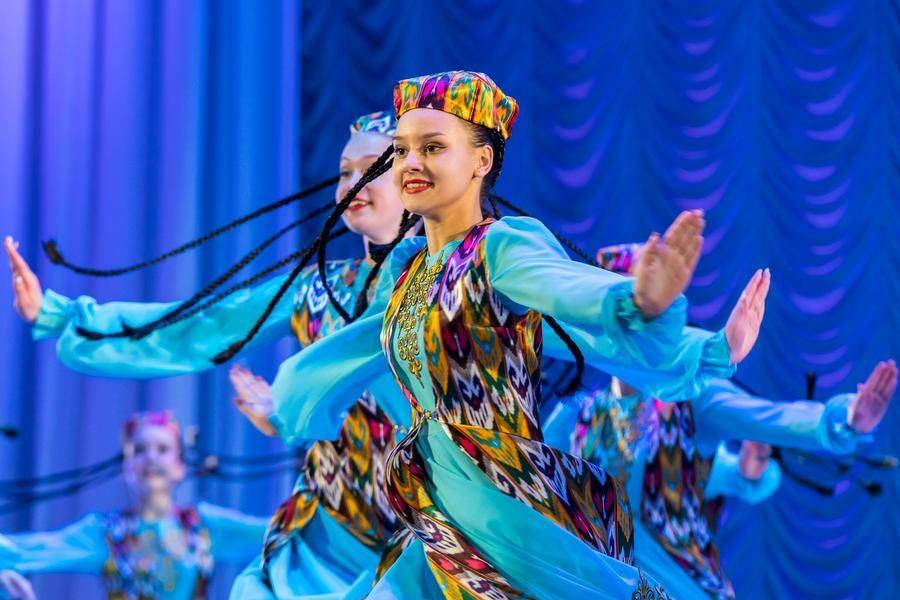
In the original version, the dancers’ braids number forty — a striking visual detail
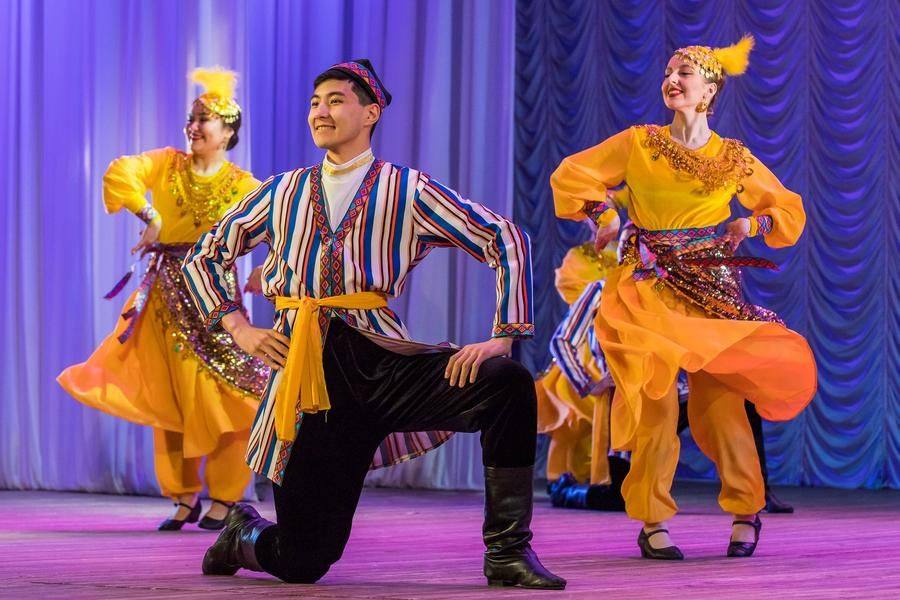
The “Azhar” ensemble returns to the stage with a Tajik dance
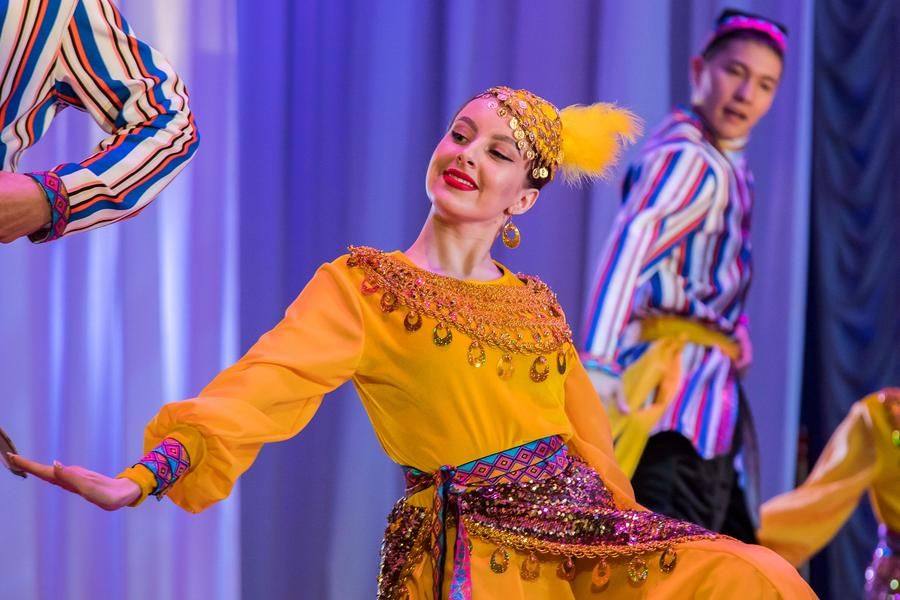
In this tradition, the dancers’ hands seem to weave a beautiful pattern of motion
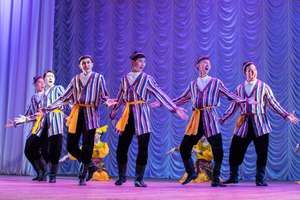
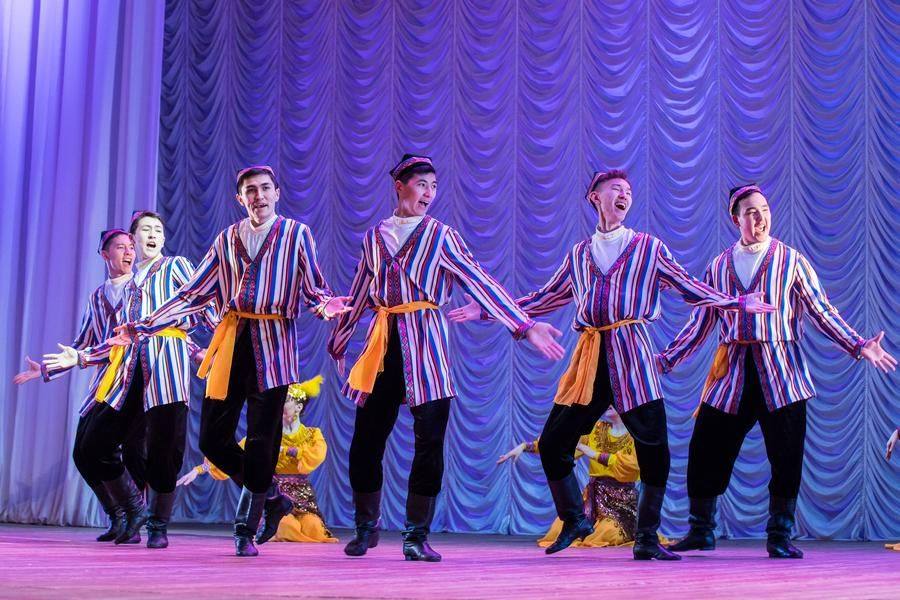
The male performers embody courage and bravery, balancing the graceful lines of the women’s choreography
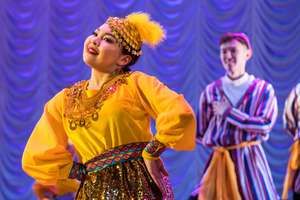
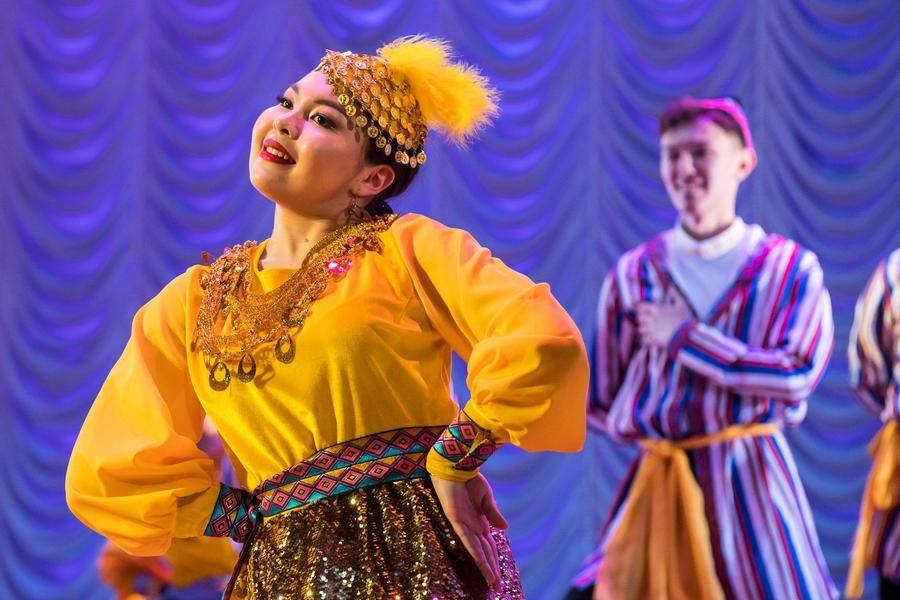
The unique plasticity reveals clear distinctions from the dances of other nations
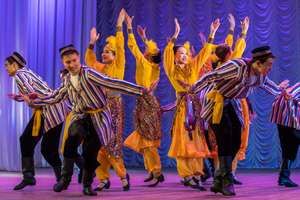
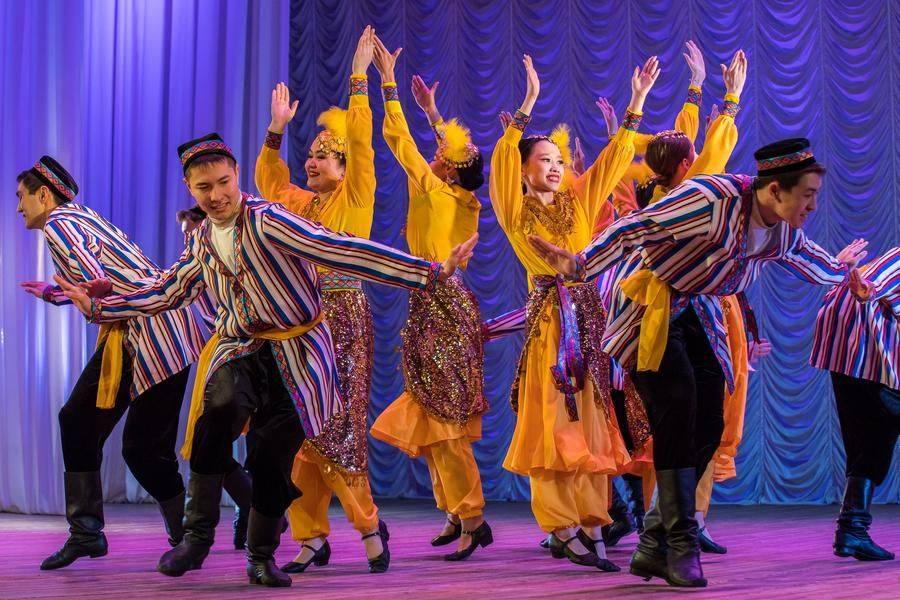
A slight tilt of the torso transforms the circle dance into a swirling, fiery blaze!
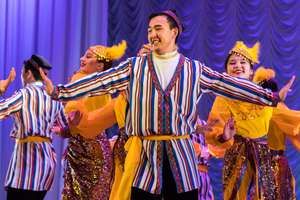
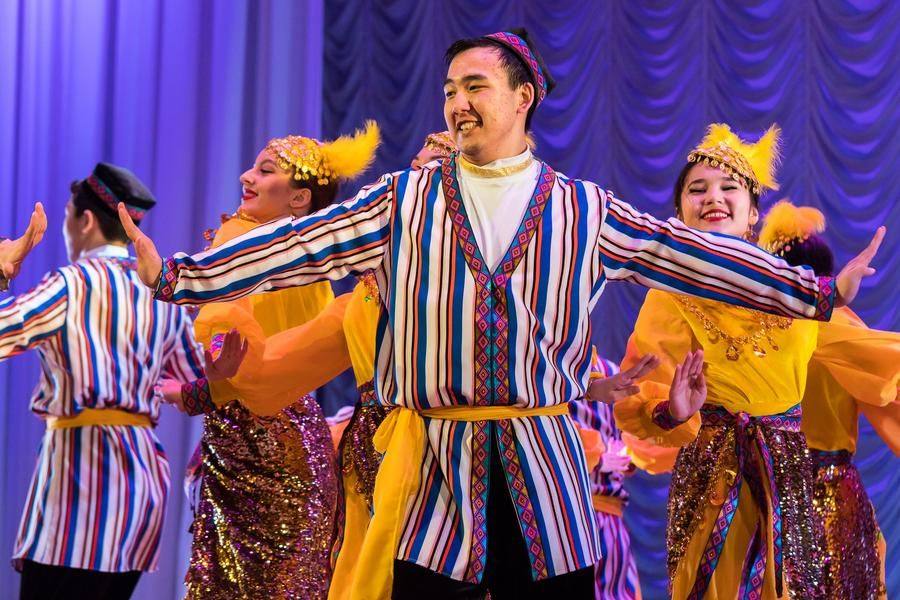
Without a doubt, the “Azhar” artists deserve recognition in professional competitions
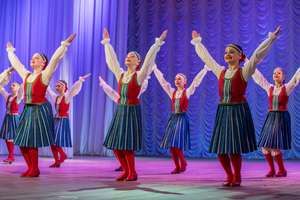
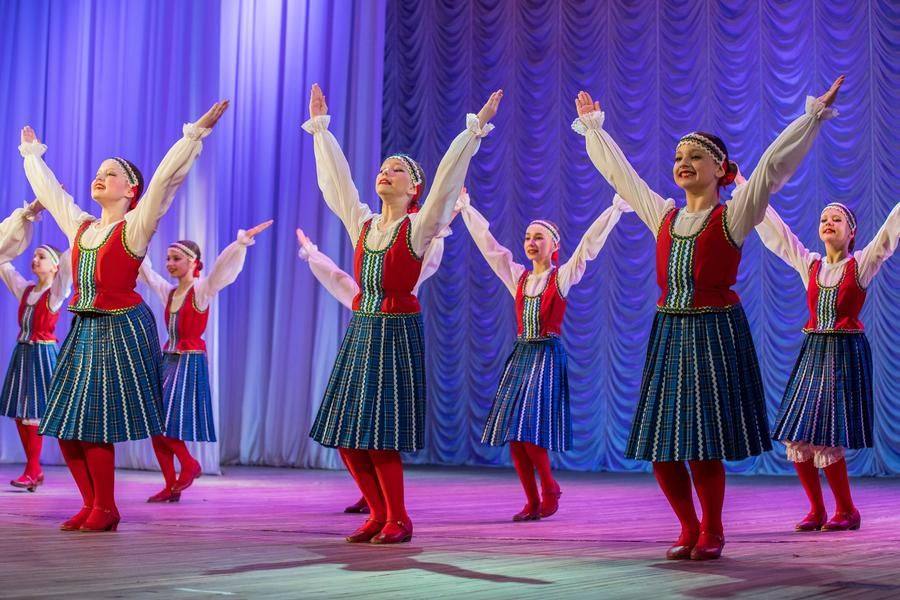
“Terpsichore” from Children’s Art School No. 12 draws inspiration from the Finnish polka
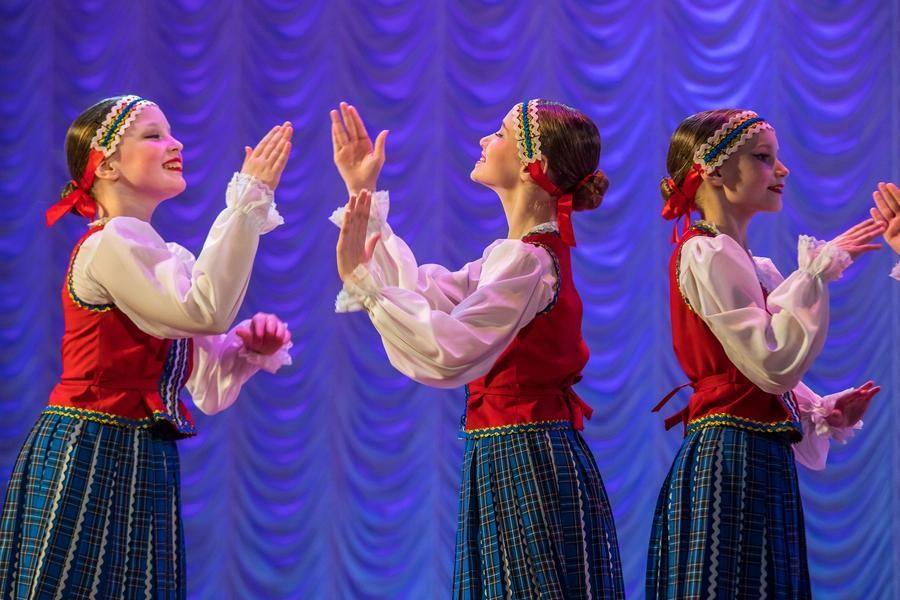
Its simple, lively movements instantly draw the audience in
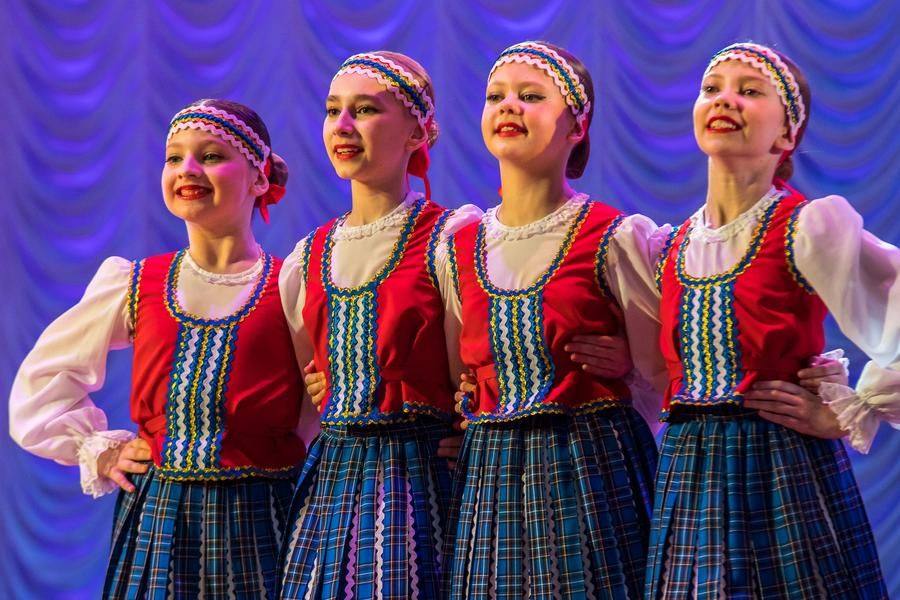
The stage costumes reflect the traditional style of Finland’s ethnic groups
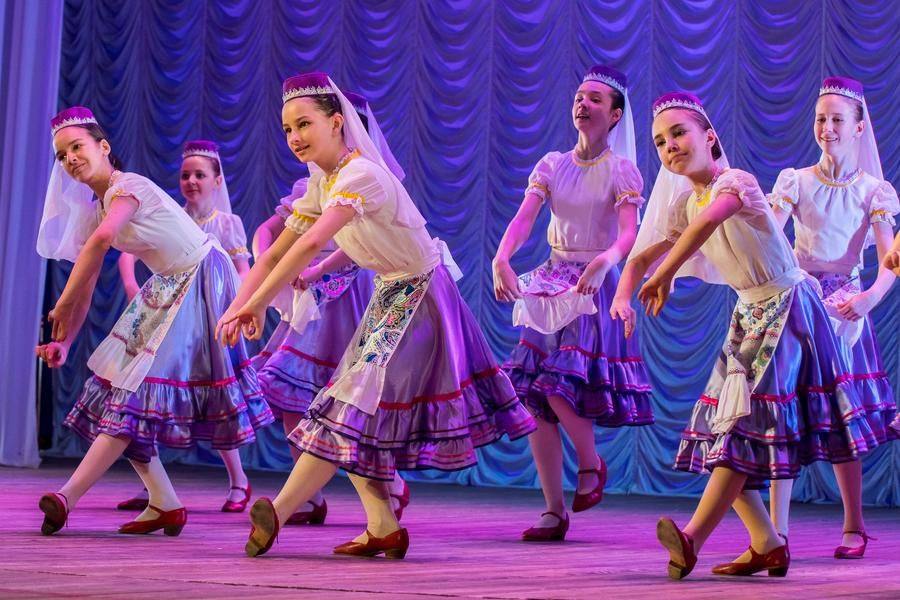
Another large‑scale performance is presented by Children’s Art School No. 3
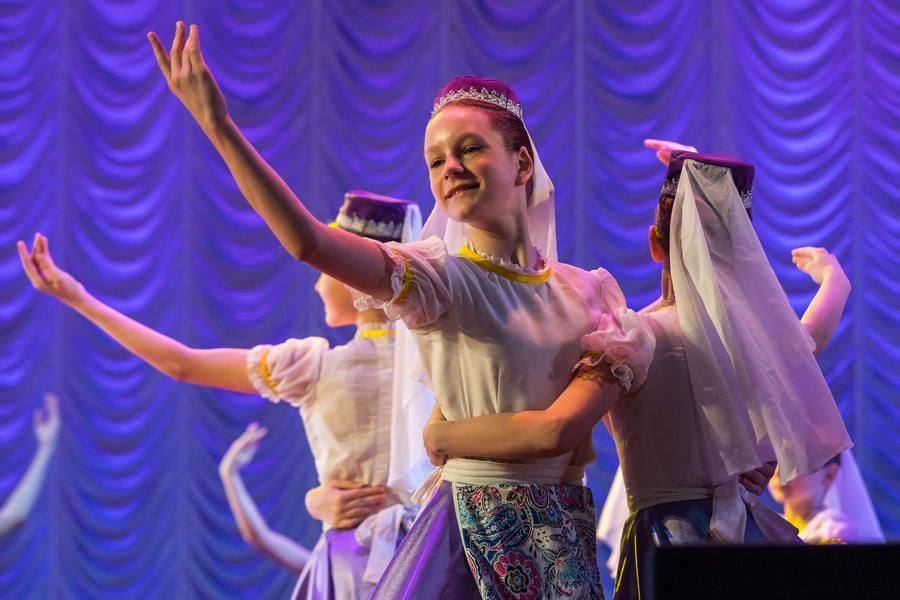
It’s the Tatar dance “Aulak,” which tells the story of youth gathering for evening socials
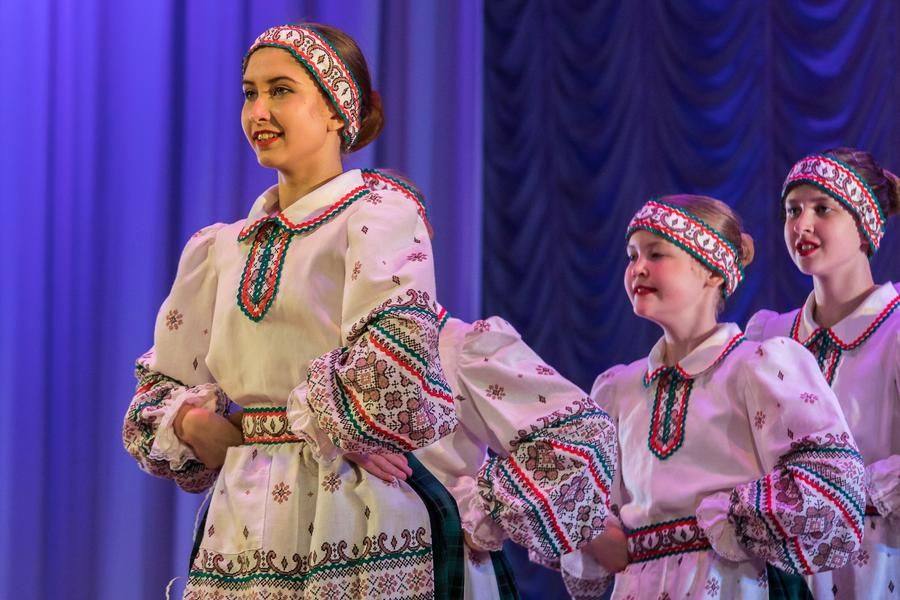
Children’s Art School No. 13’s “On the Wings of Dance” performs the Belarusian dance “Calling the Spring”
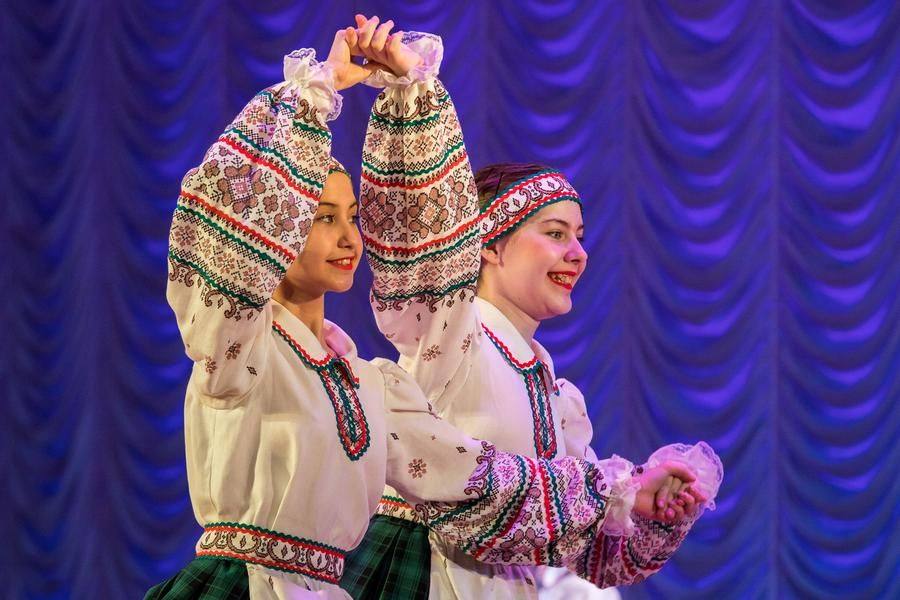
The shirts feature extraordinary traditional embroidery, rich in symbolism
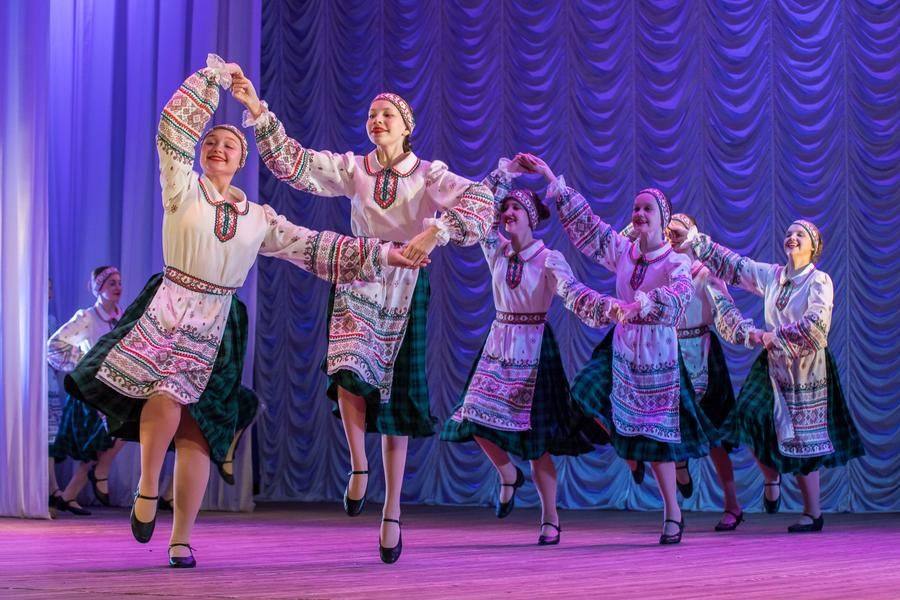
The “stream” motif is a common element in dances celebrating nature’s awakening in spring
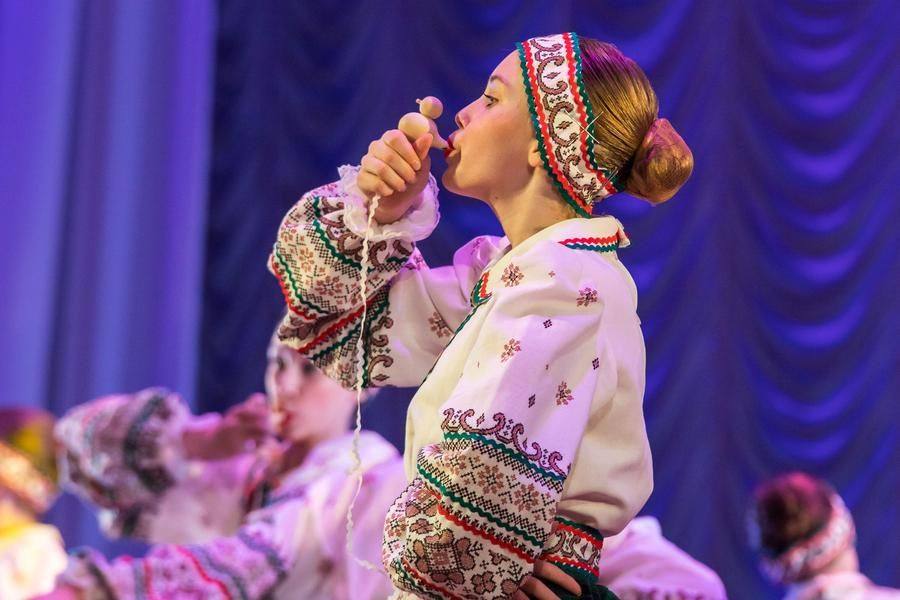
Whistles are actively used as part of the ritual to call forth the spring season
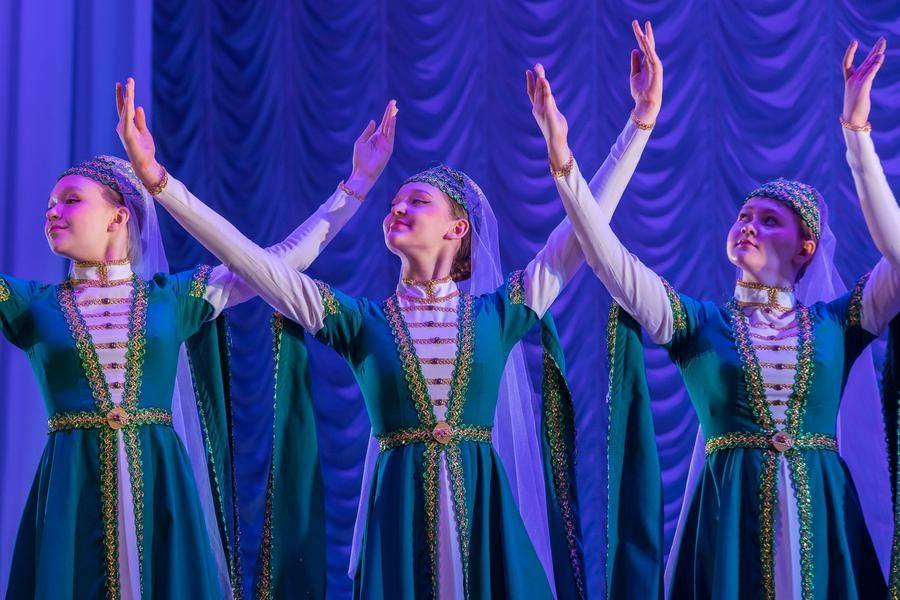
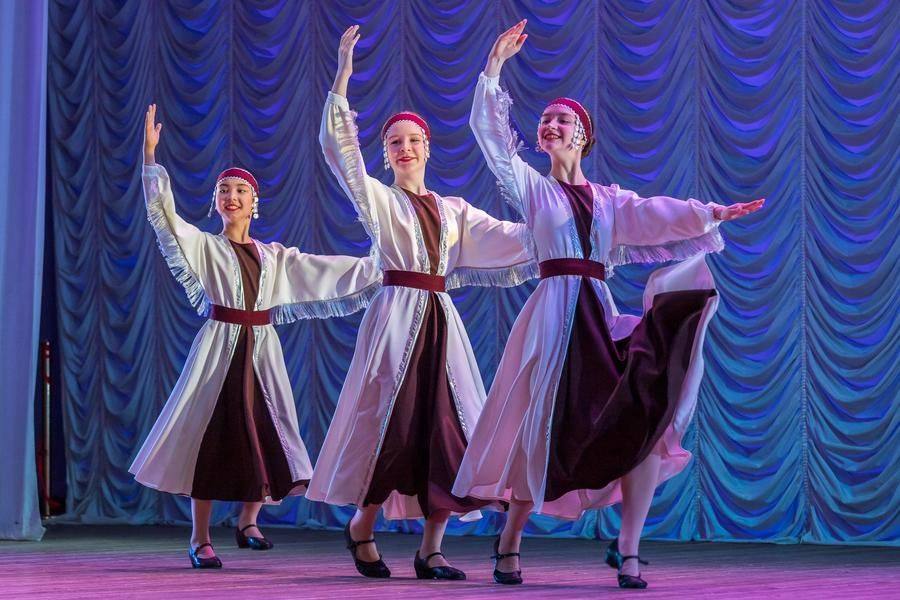
In the Armenian women’s dance, the performers showcase poise and a refined sense of presence
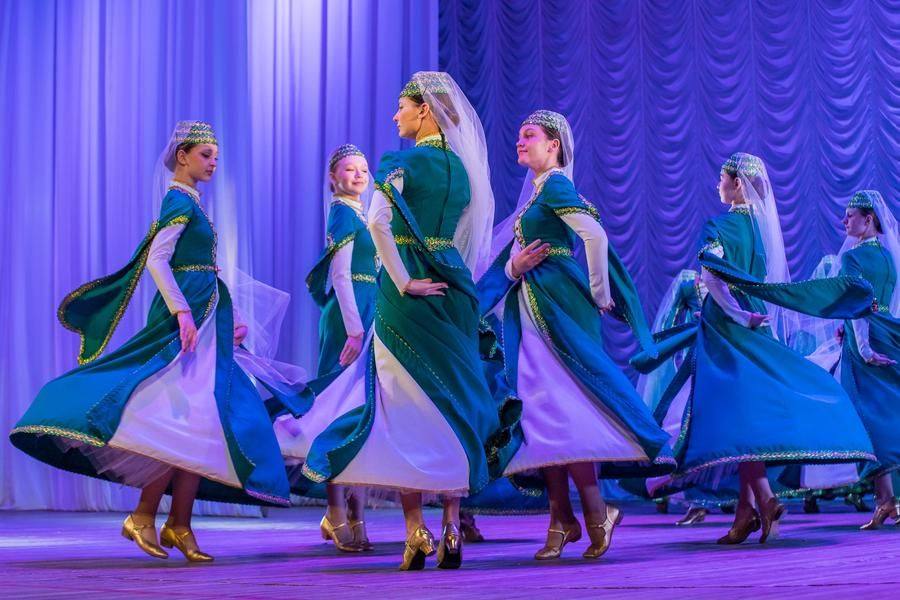
The “Areni” production is also staged by the “Terpsichore” ensemble from Children’s Art School No. 12
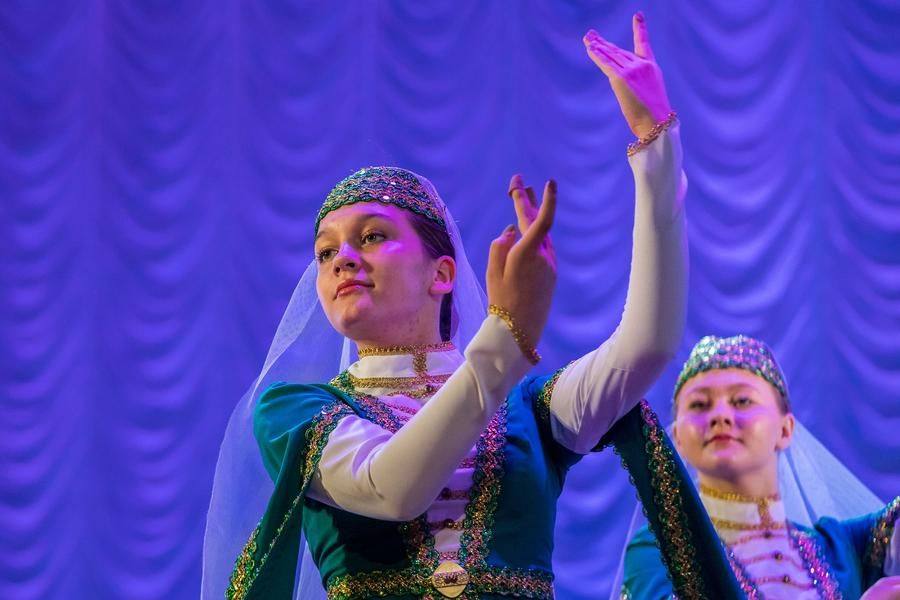
Due to the long skirts, much of the expressiveness comes from the arms and shoulder girdle
And Go Back to Omsk!
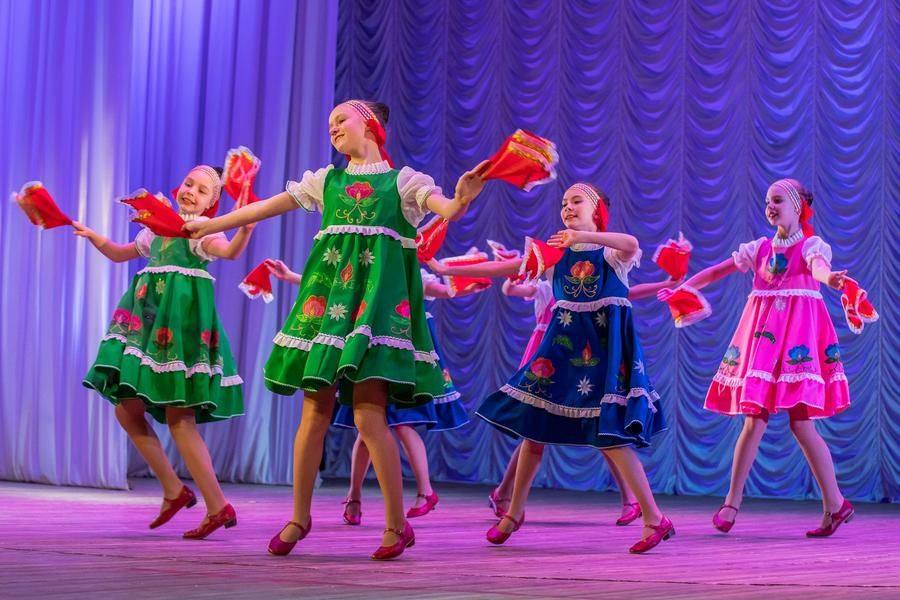
The festival is brought to a close by “Zefir” studio from the Omsk House of Friendship
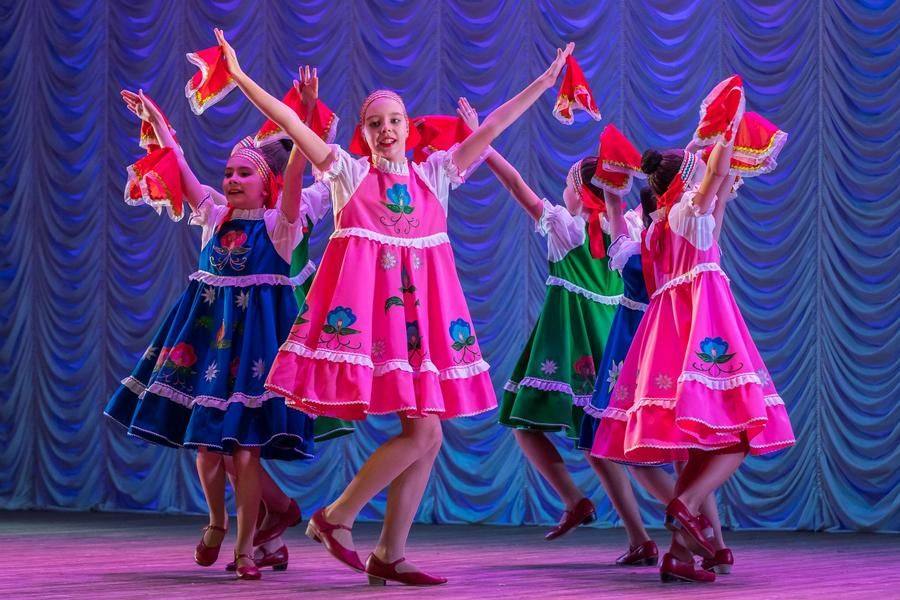
Their dance “Oh, I Was Dancing” brings the one‑and‑a‑half‑hour concert to a vibrant, joyful close
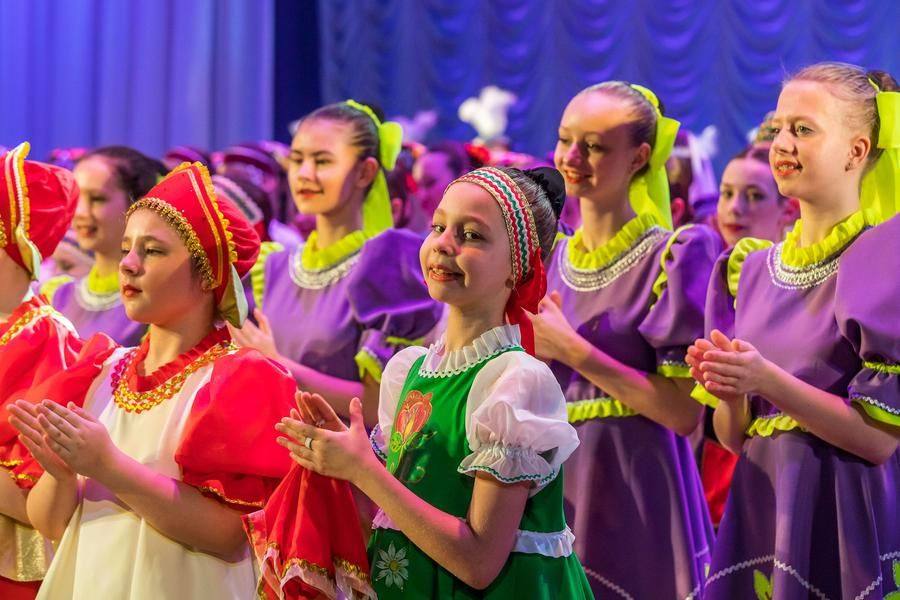
More than two hundred performers are invited onto the stage for the grand finale
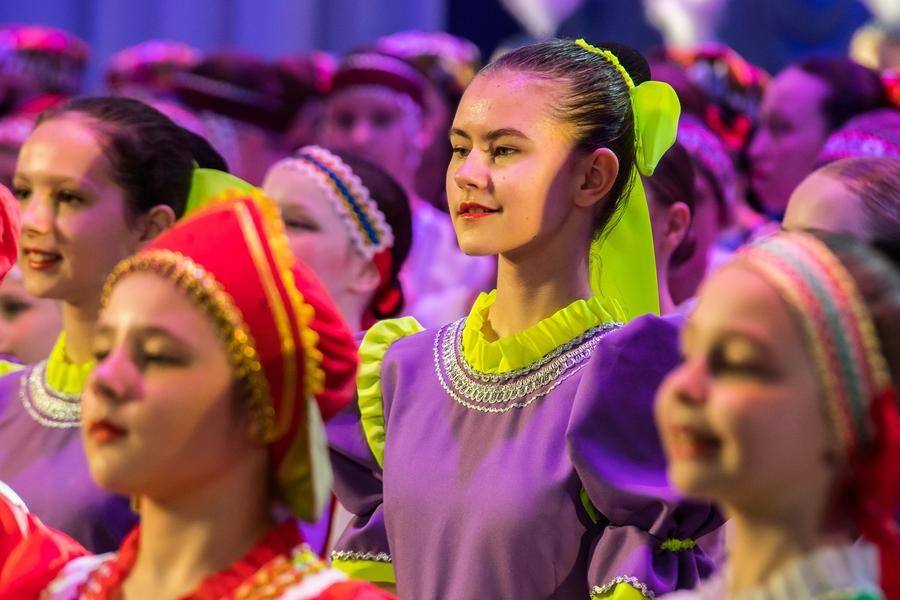
For many of these young artists, this is their first confident step into the world of professional art
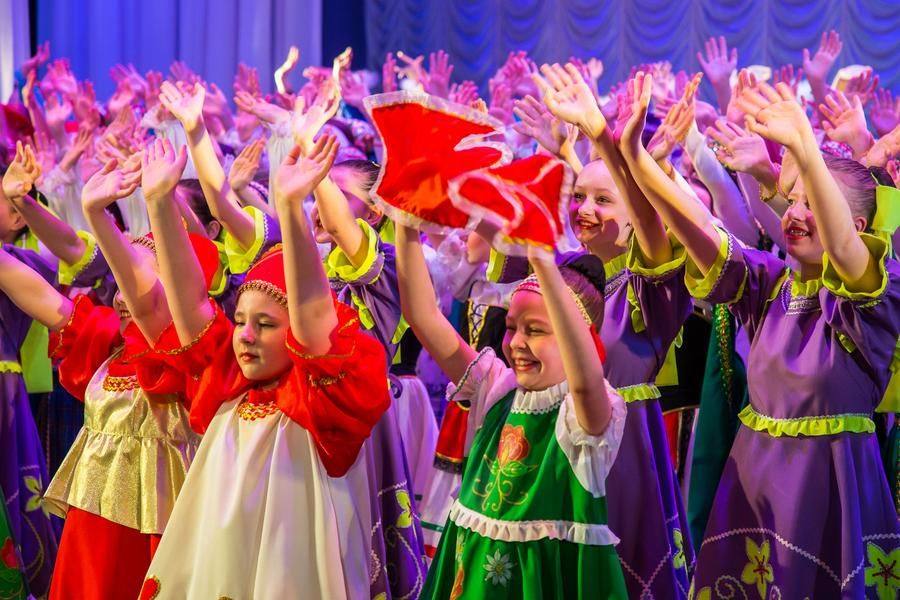
Perhaps for the first time, Omsk’s art schools have shared their craft together in a single program
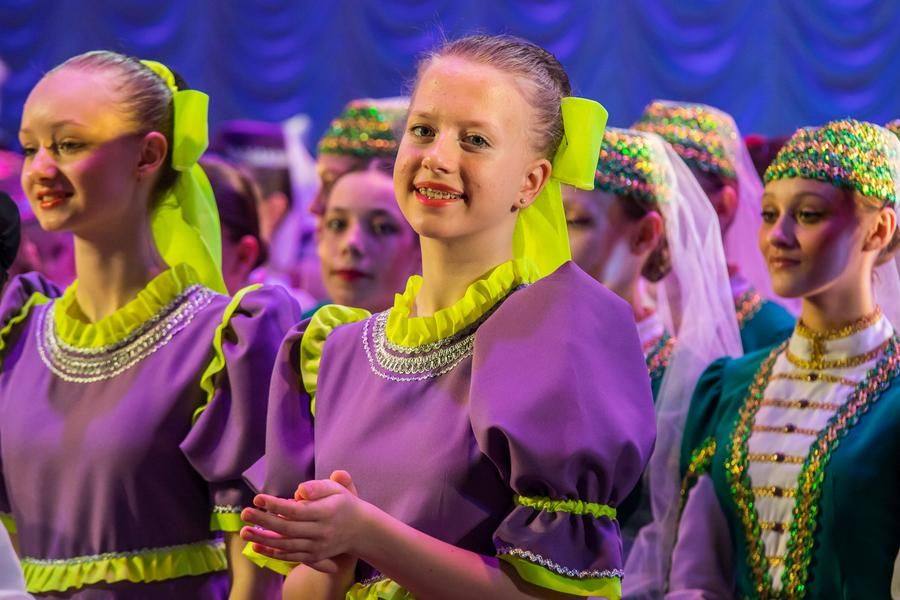
There will surely be more dances, more vivid images, and more opportunities to meet and connect with the audience!