Overcoming the Time of Troubles: The Decisive Battle
On November 4, the historical and educational project “The Feat of 1612. The Time for Heroes” transported visitors to Omsk Fortress back in time by four centuries. This was the third festival held on the Day of National Unity, and it proved even more large‑scale than before.
Following the spectacular battle reenactment, guests learned about the 17th‑century weapons and gear and took part in military skills workshops.
Demonstrating the Arms
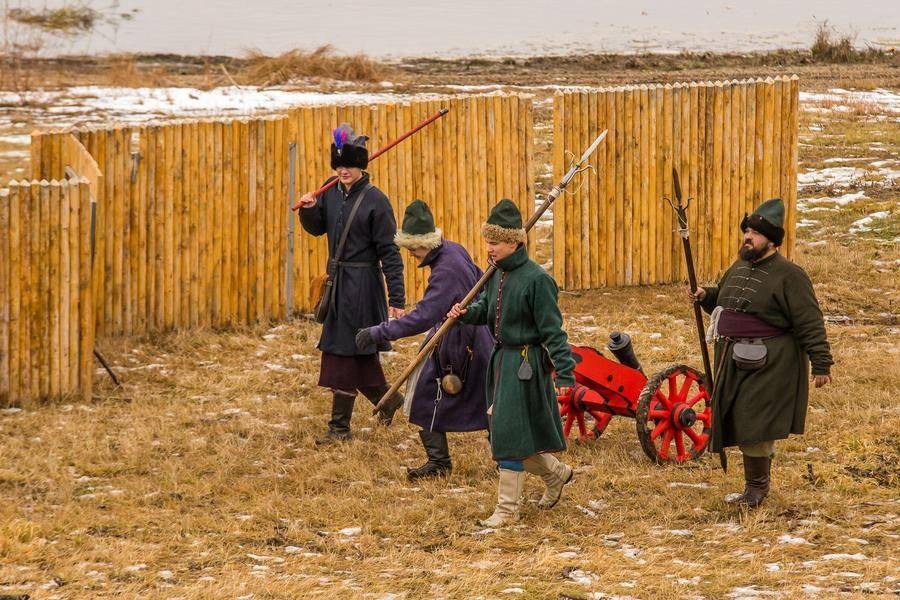
The battle reenactment unfolds on the banks of the Irtysh River, offering a clear view for the audience
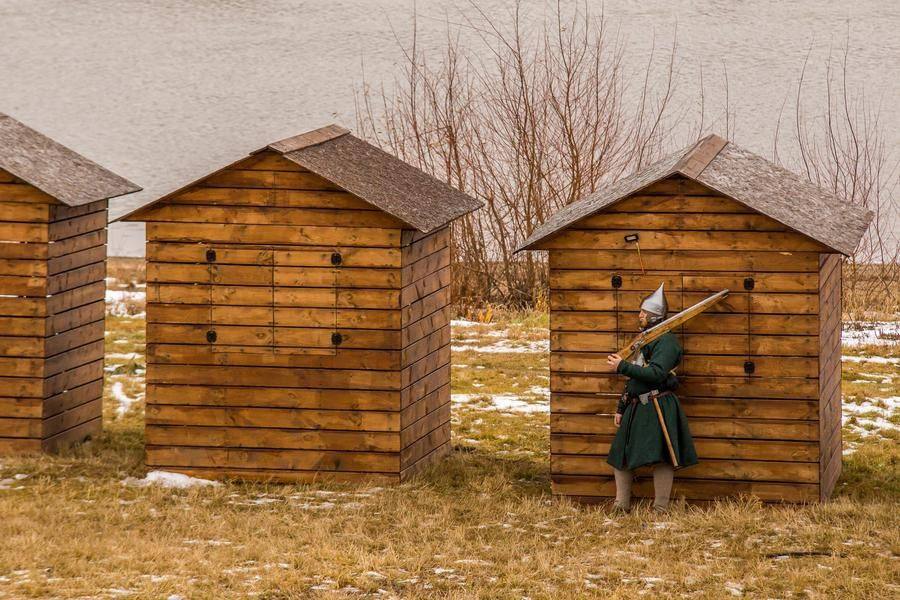
The organizers set up small buildings and planned several defensive lines
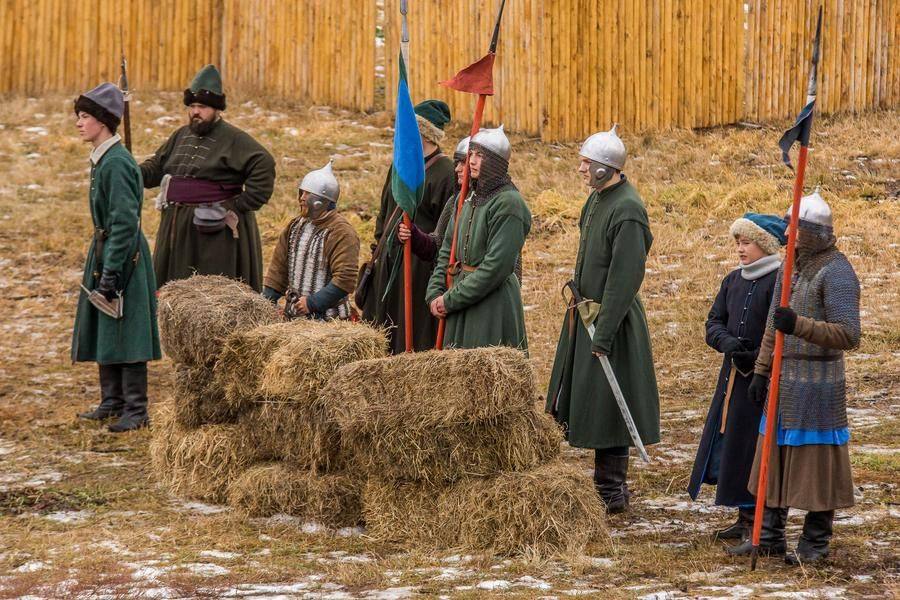
In terms of numbers, the forces of the Second Militia are outnumbered by the Polish‑Lithuanian troops
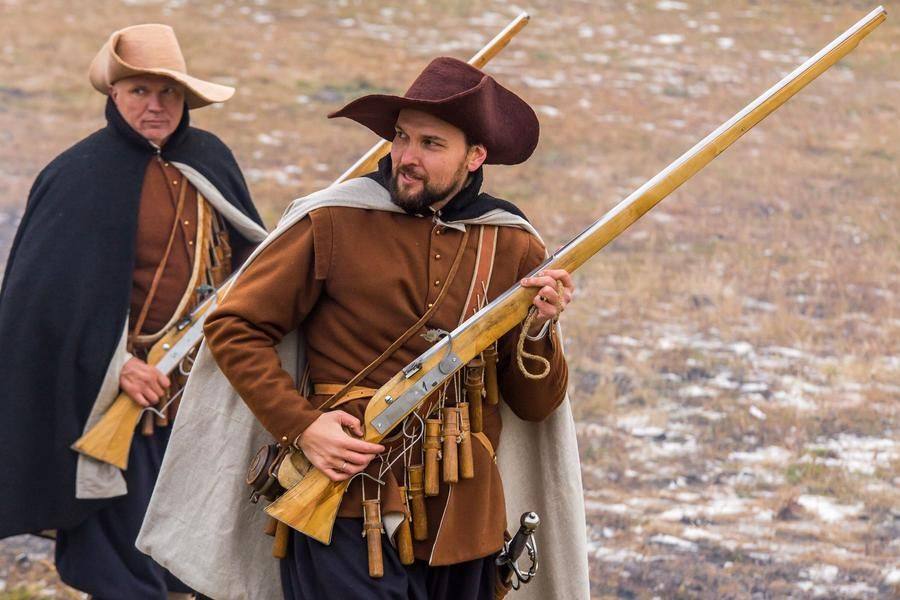
Among the invaders, you can spot dapper mercenaries from various European countries
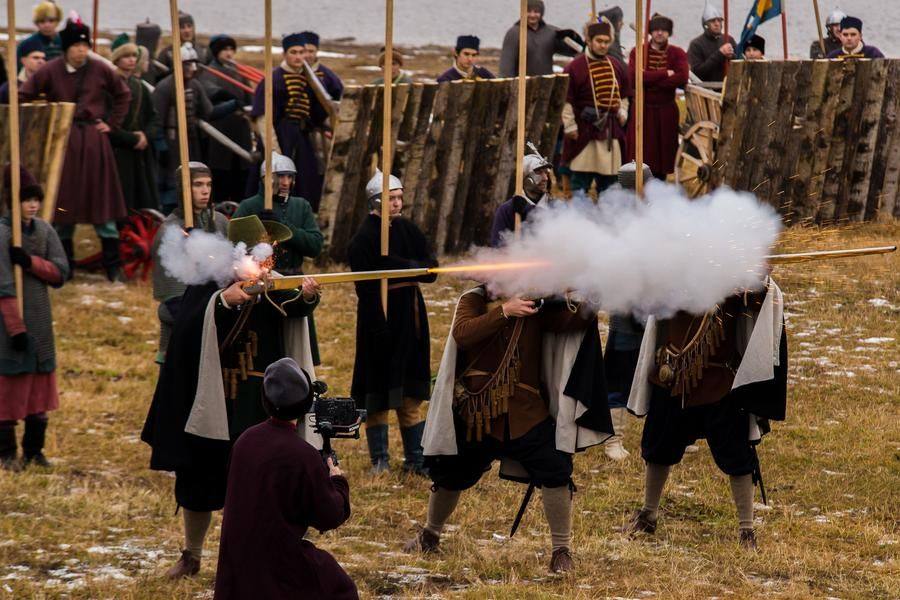
They are the first to take part in demonstration firings for the spectators
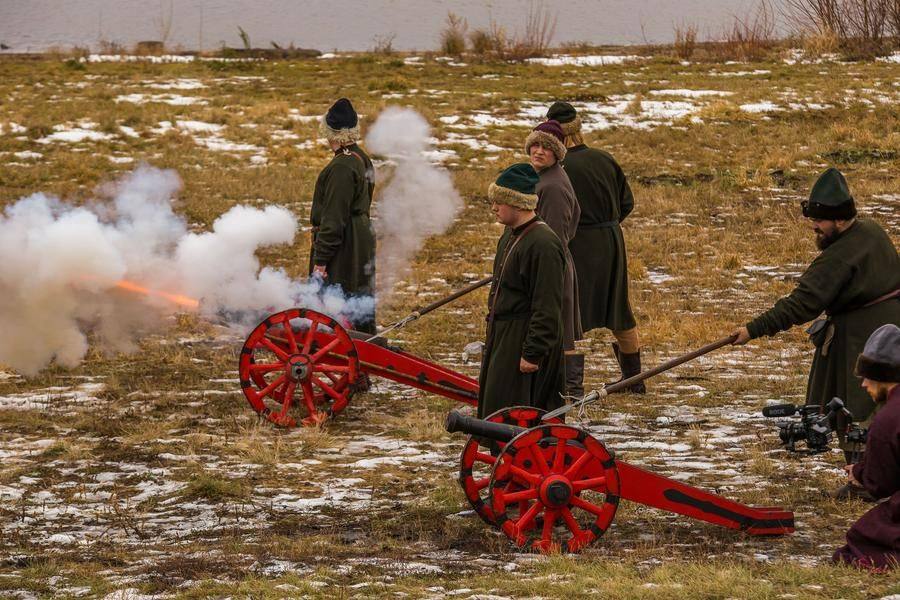
Just one cannon shot remains to be demonstrated — then the combat can begin!
Decisive Battle
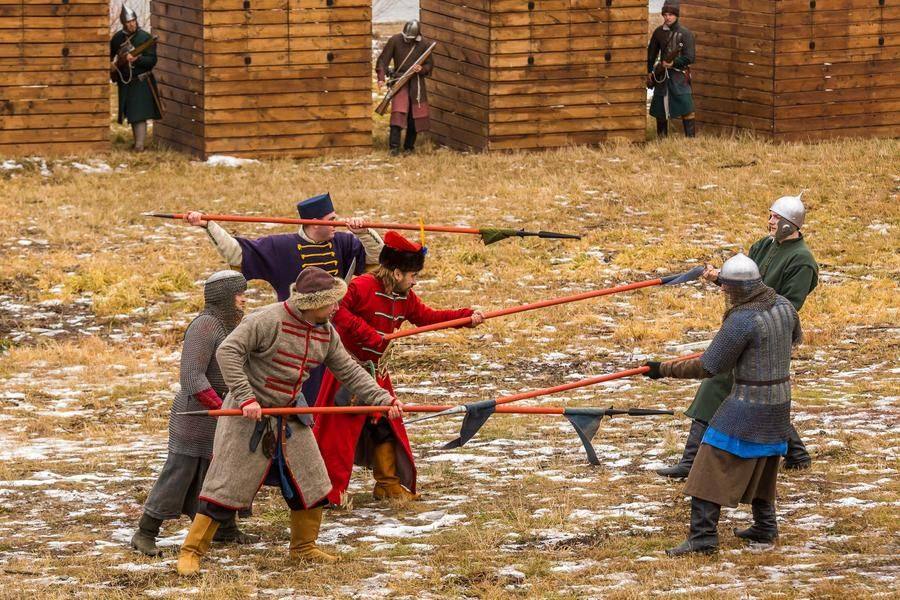
It all starts with a skirmish between small units
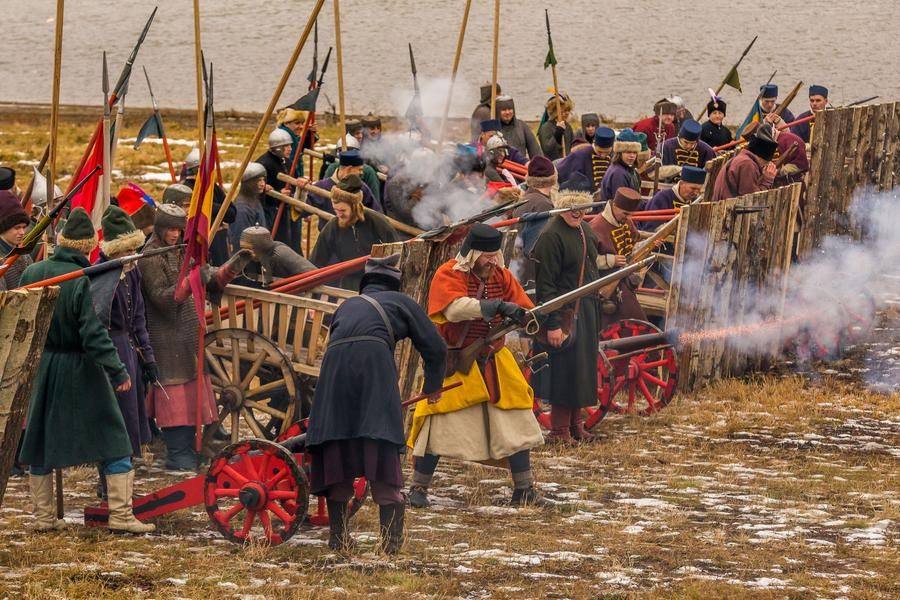
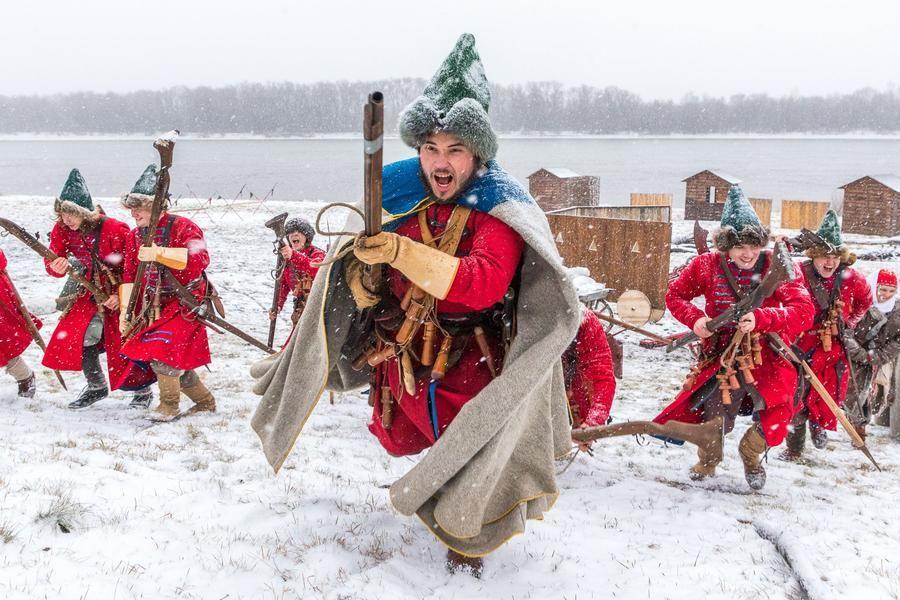
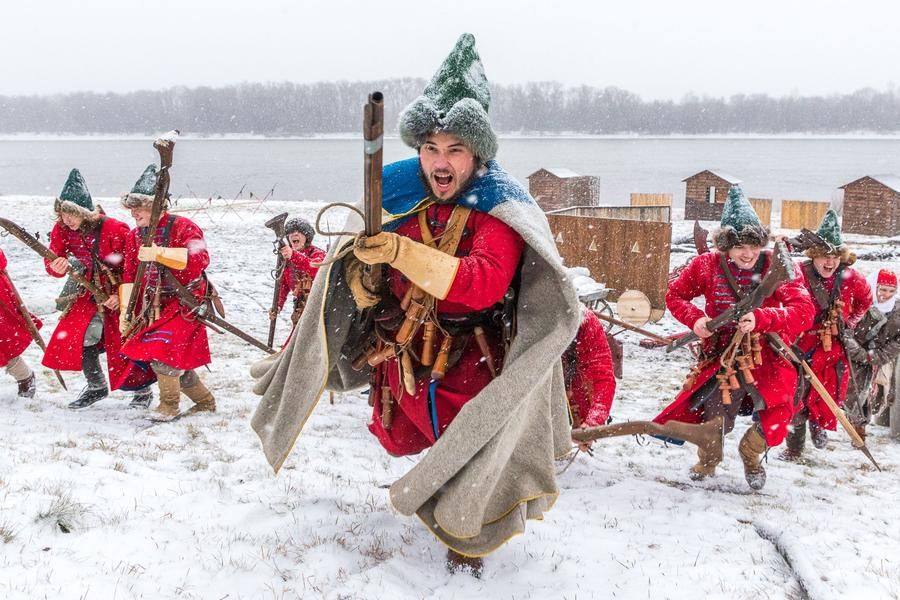
And now, the entire army of Hetman Khodkevich enters the battle
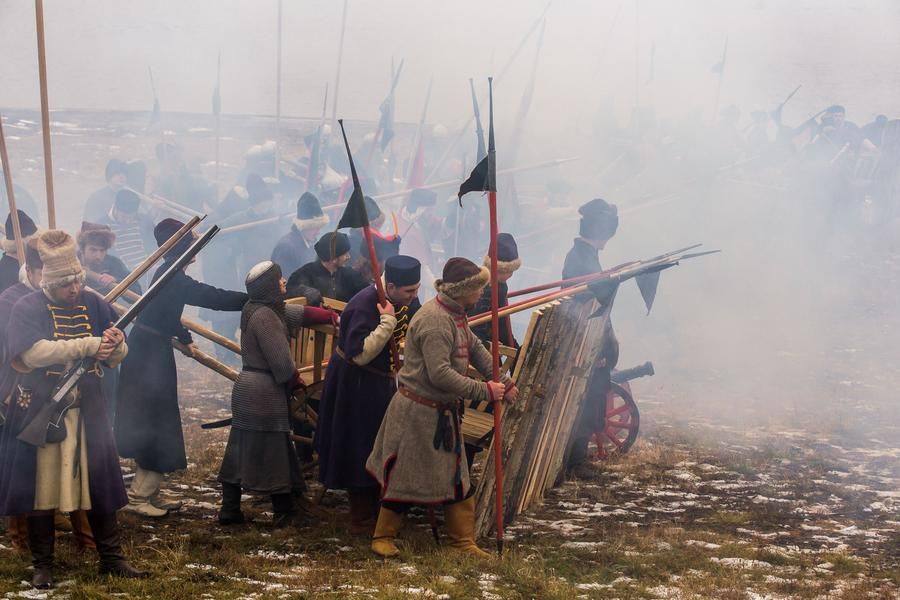
Within just a few minutes, the battlefield is shrouded in clouds of gunpowder smoke
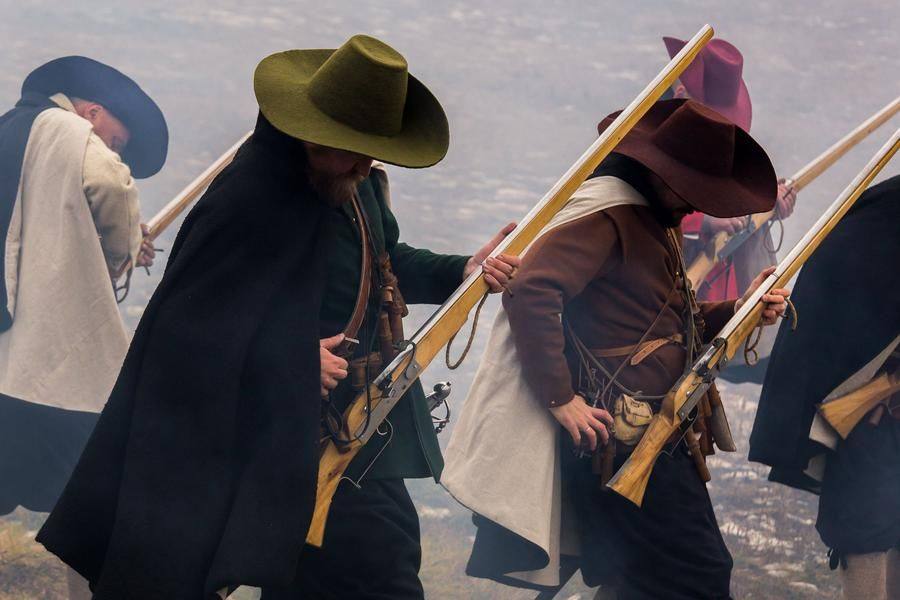
17th‑century weapons require considerable time to reload
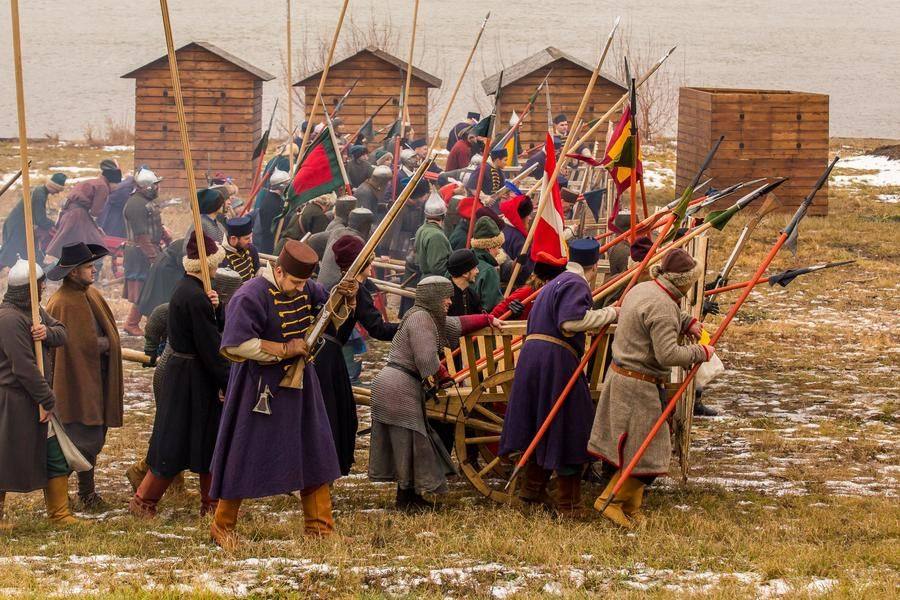
The hetman leads his men with a “ruthless approach”, counting on victory through sheer numbers
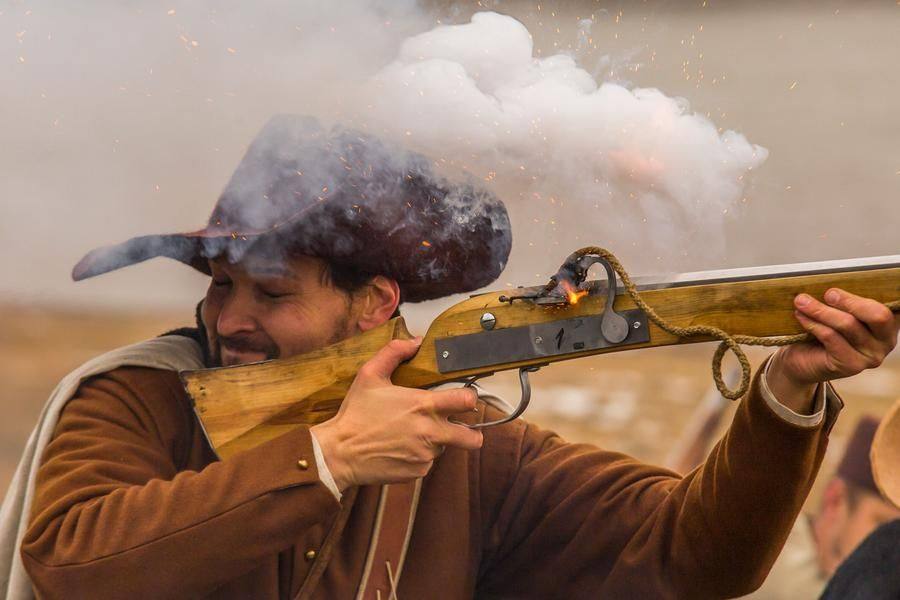
The onslaught is powerful, and the Russian forces are forced to retreat
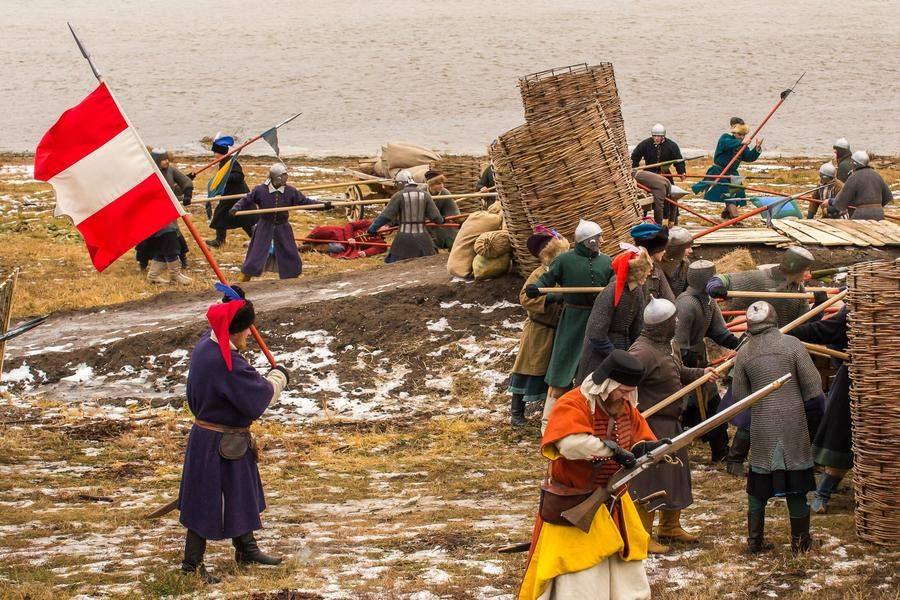
The decisive clash begins near the ramparts of Earthen Town
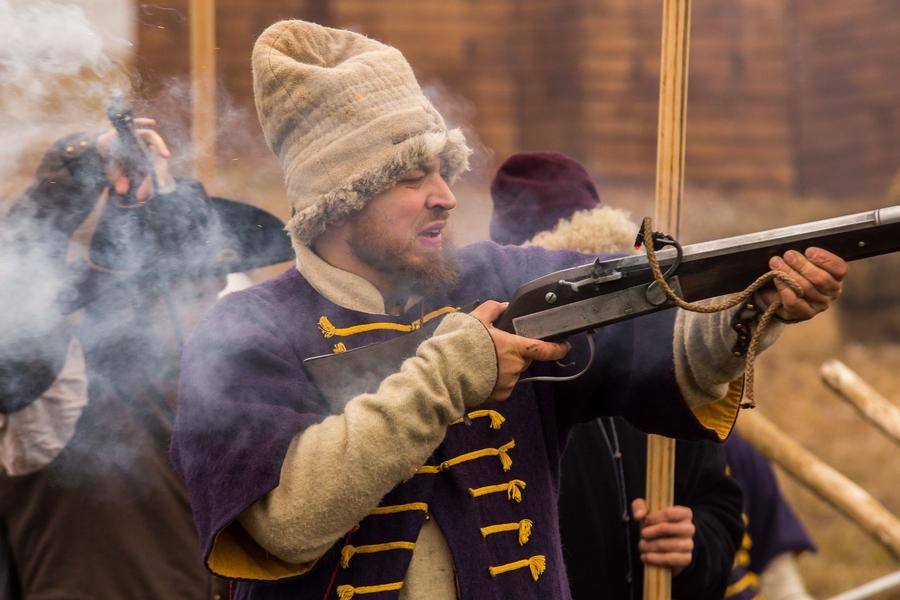
This area, not far from the Kremlin, changed hands multiple times
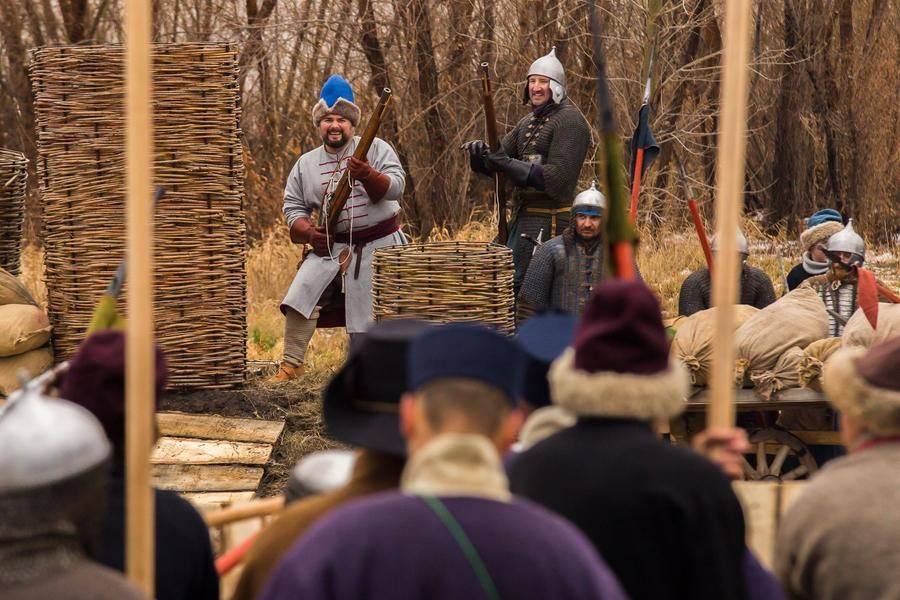
Despite military setbacks, the militia managed to seize the initiative from the Poles
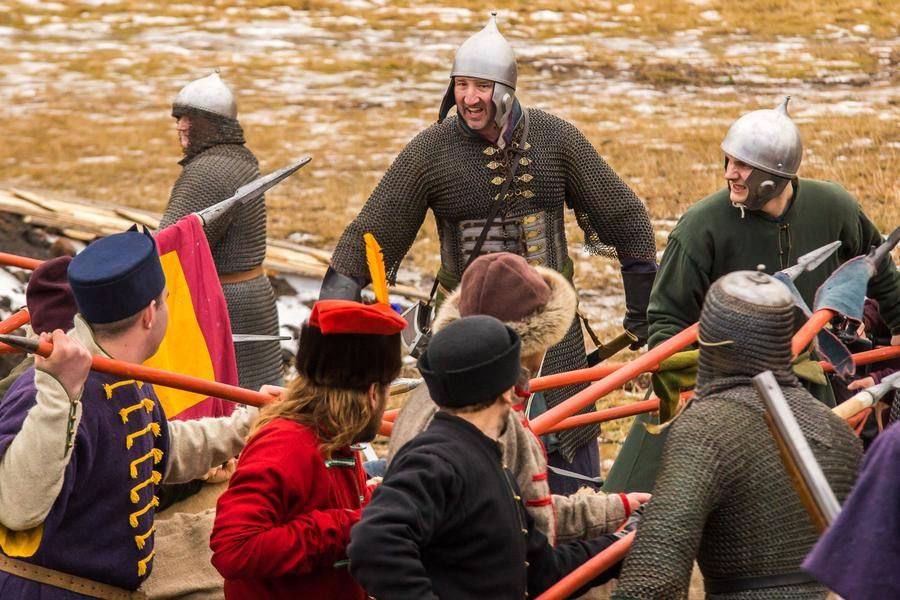
According to the eyewitness accounts, the battle was “very great and terribly fierce”
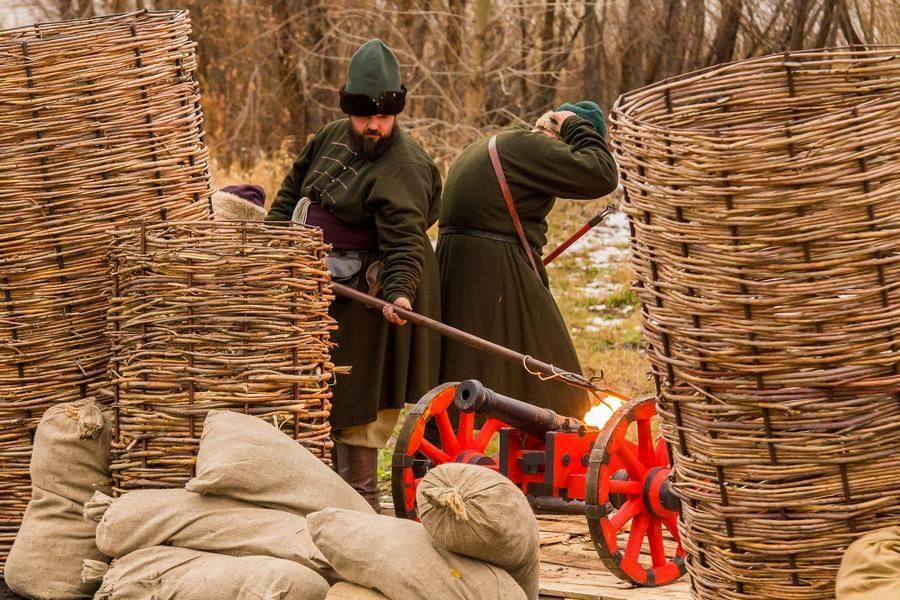
The reenactors fully captured the intensity of the fight
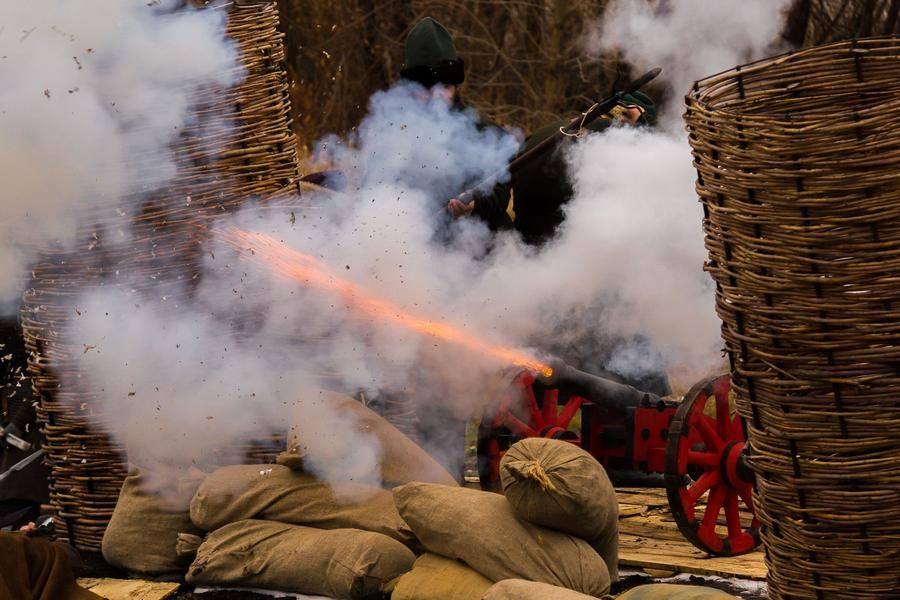
Even back then, artillery had the power to decide the outcome of the confrontation
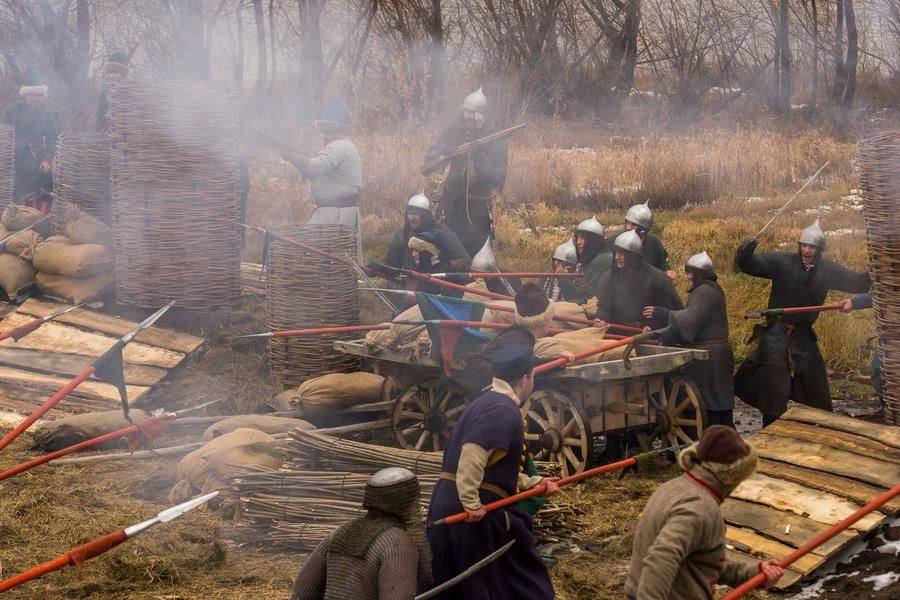
The surviving troops of the hetman fled toward the border, and the Russians did not pursue them
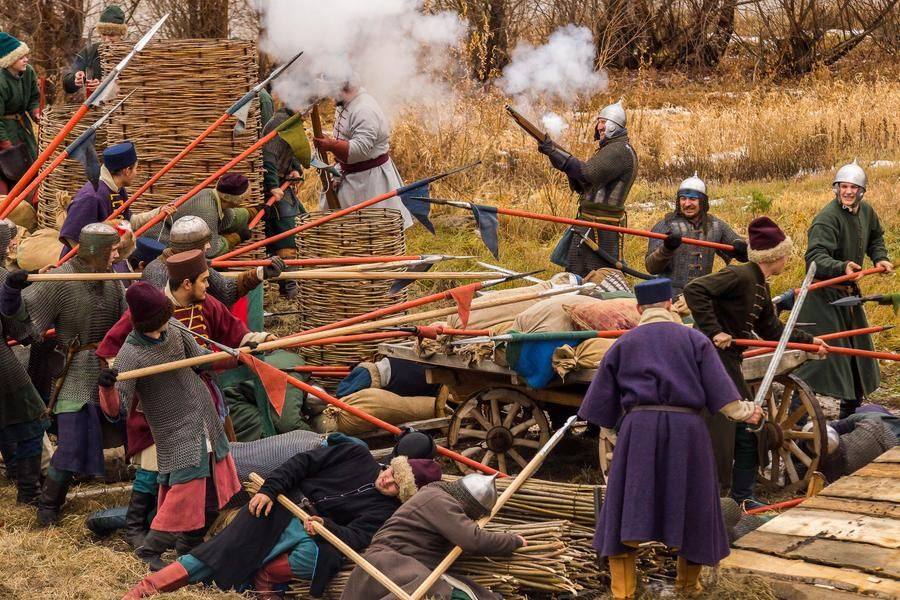
This is roughly how the Battle for Moscow was depicted in old engravings
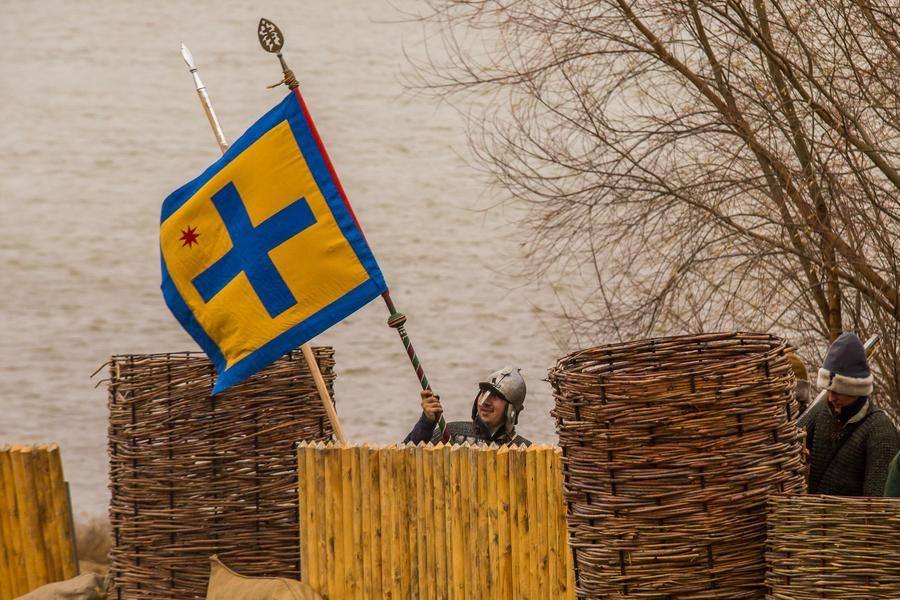
The glorious victory of the militia effectively sealed the end of the Time of Troubles
After the Smoke Clears
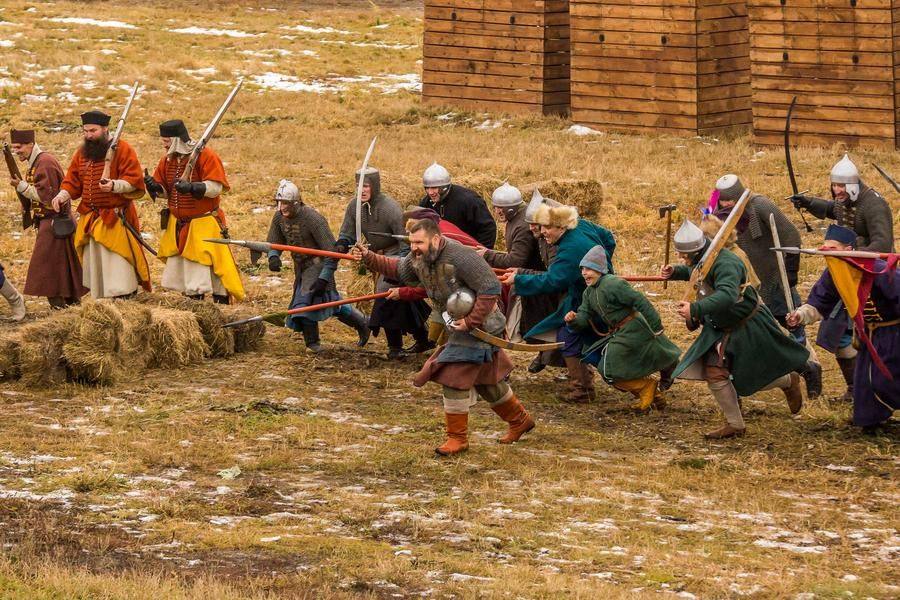
The battle performance traditionally ends with an “attack” by the enthusiastic spectators
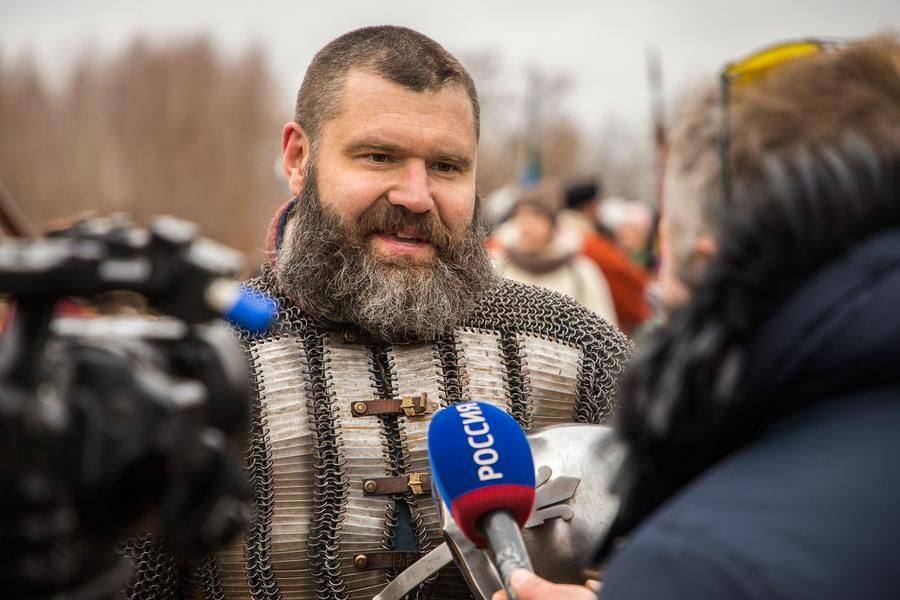
Vasily Minin, commandant of the Omsk Fortress, shares his impressions of the event
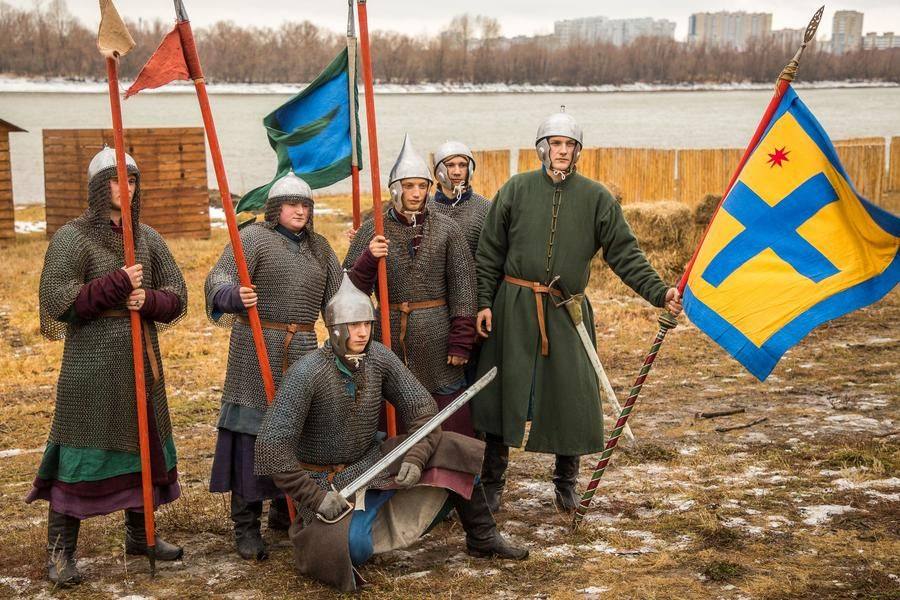
Festival guests are invited to take photos with members of the historical clubs
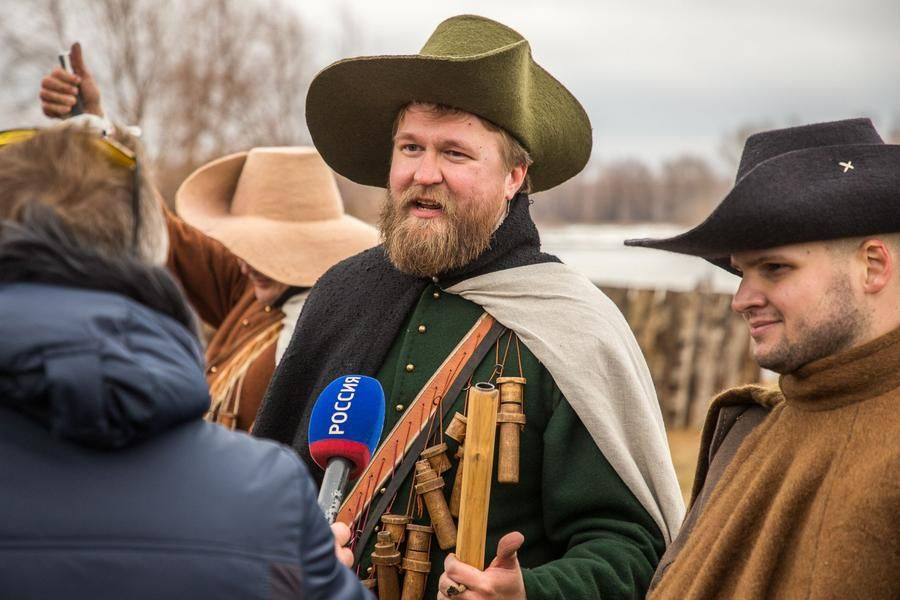
One of the most important functions of such projects is education
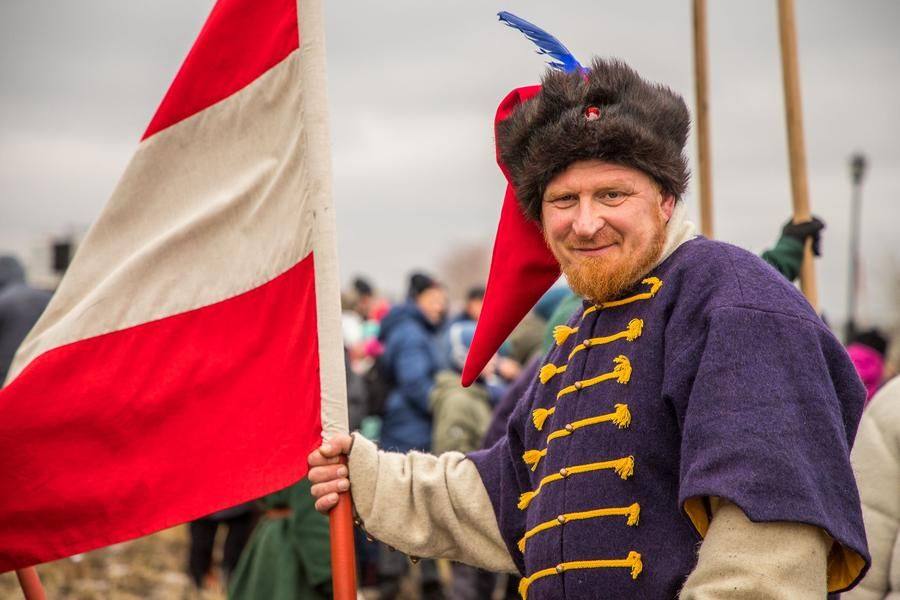
By bringing history to life, you can spark interest much faster and more convincingly
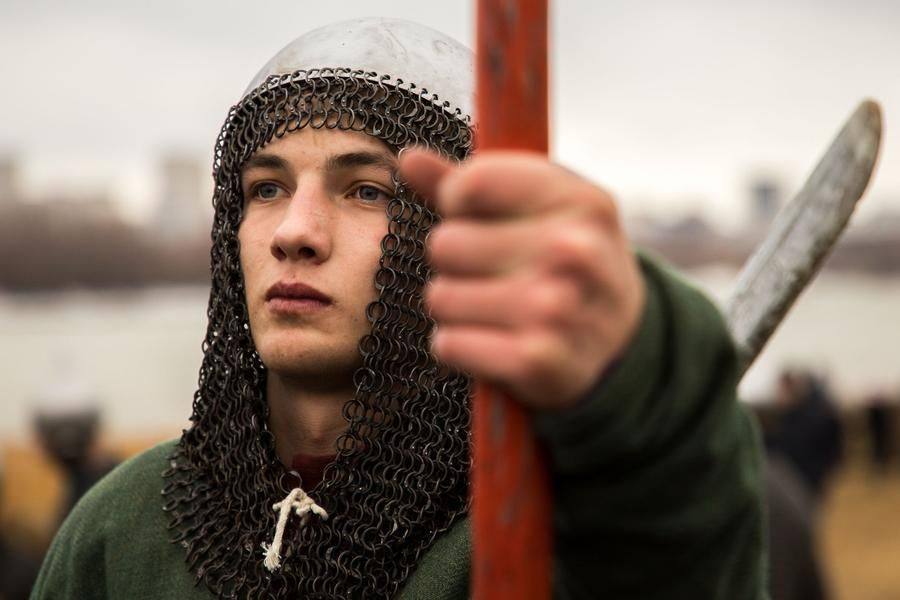
These programs clearly illustrate the origins of the Day of National Unity
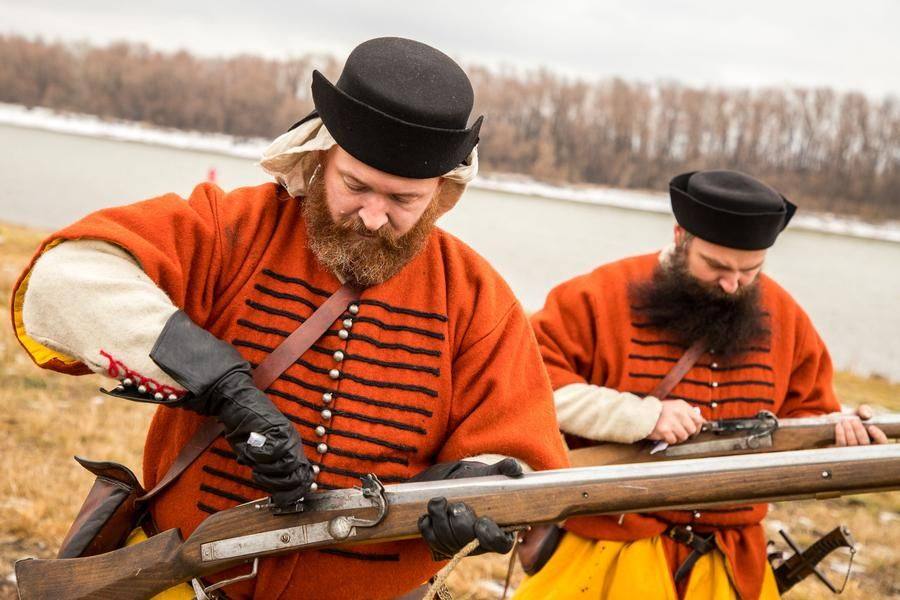
Spontaneous firing demonstrations continue on the riverbank — not all the gunpowder has been used up yet
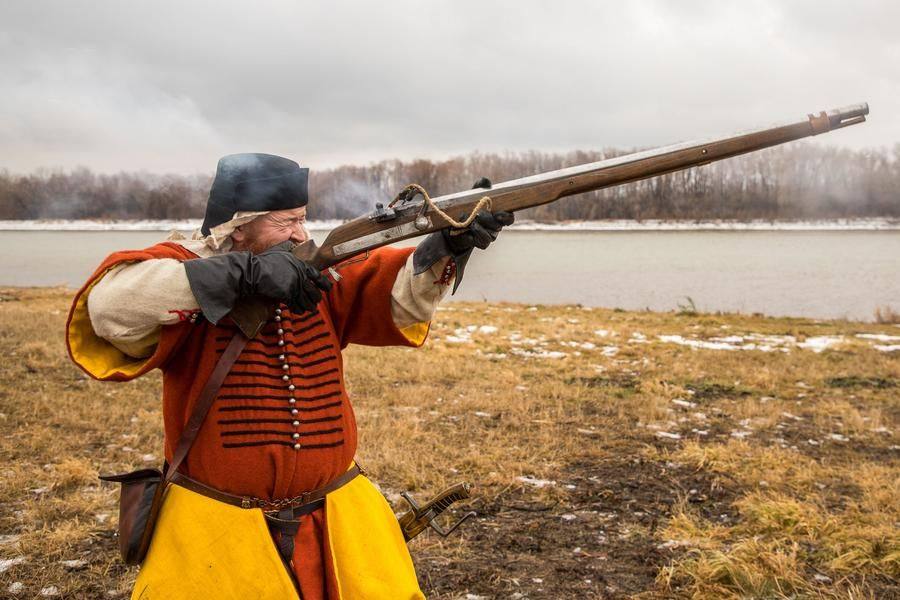
Every year, more history enthusiasts from other regions come to Omsk
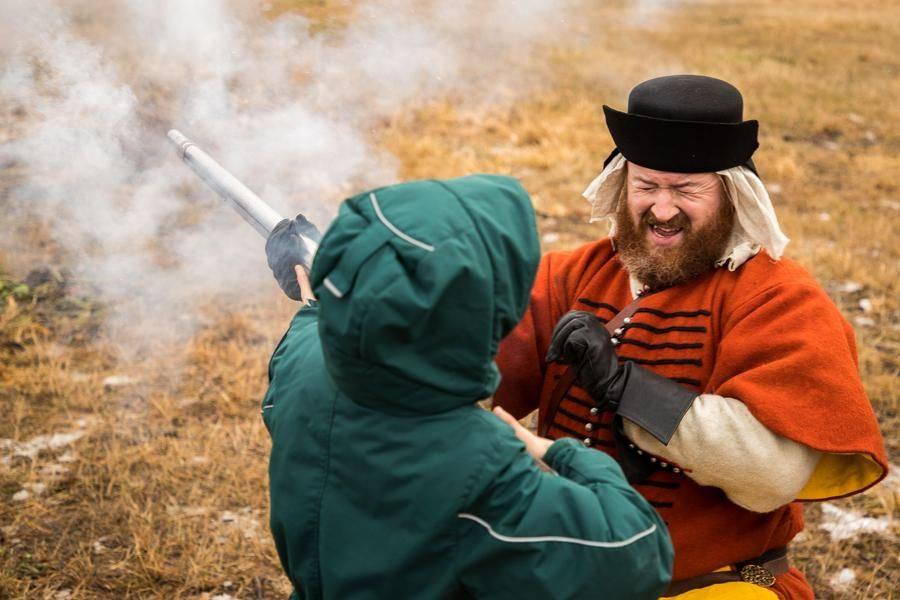
Even children are allowed to fire a shot — with all safety measures in place
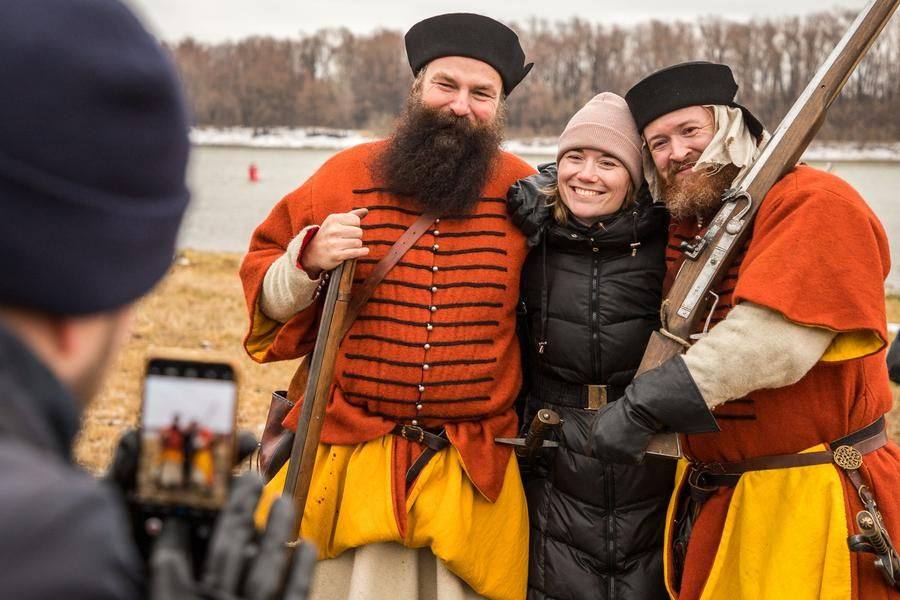
The emotions are completely genuine: what the audience saw just half an hour ago simply cannot fail to impress
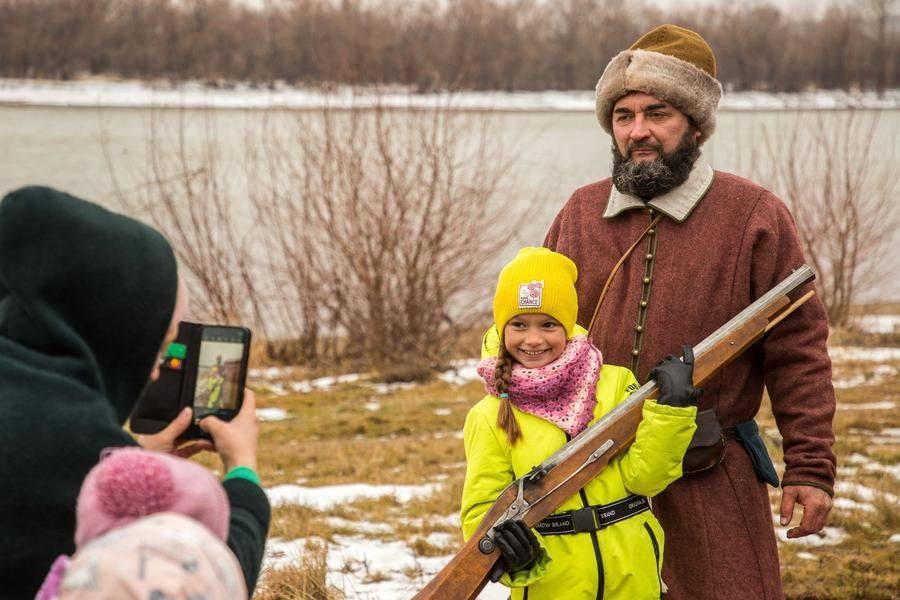
When else will you get the chance to borrow a matchlock musket from a serviceman?
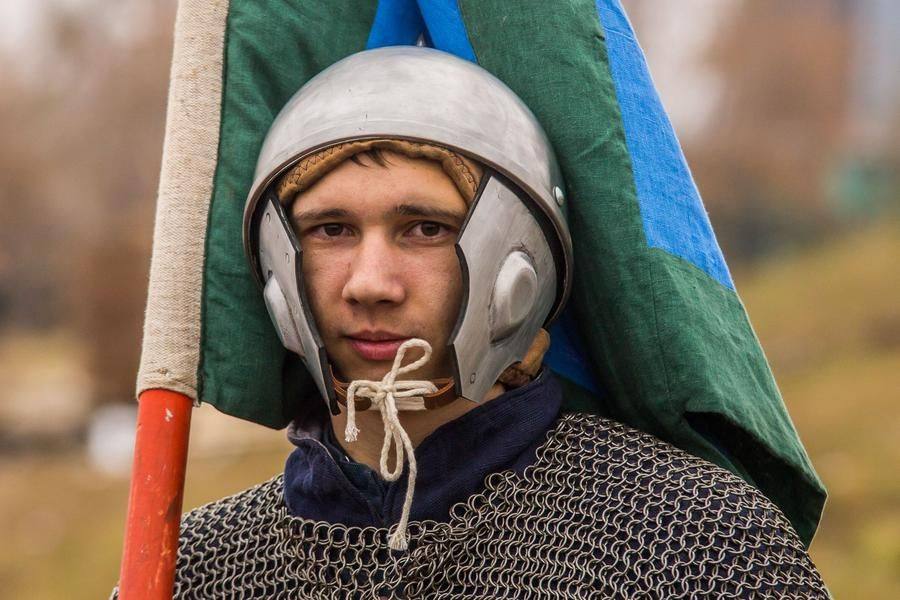
The riverbank is gradually emptying: the action will continue inside the fortress grounds
Interactive Stations
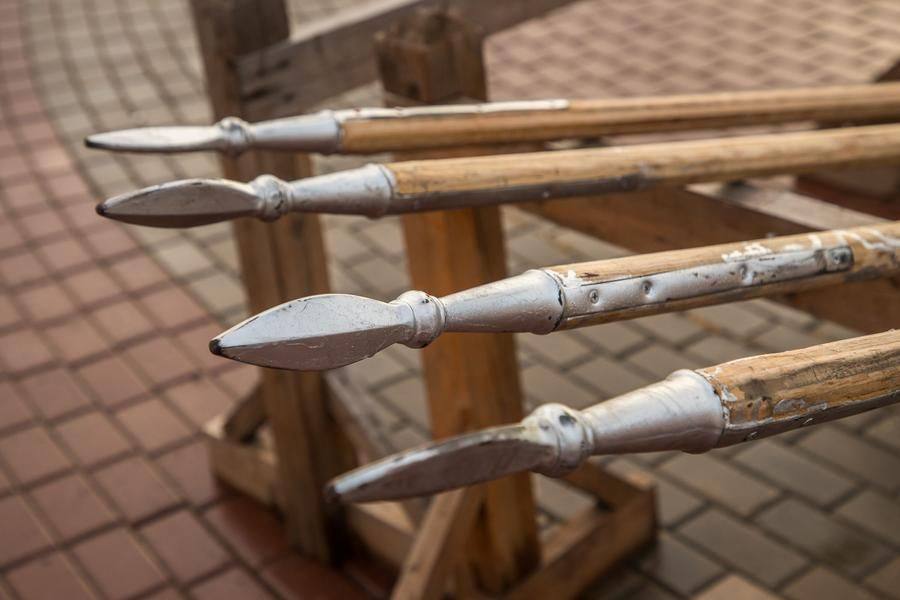
Interactive stations introduce the basics of military skills
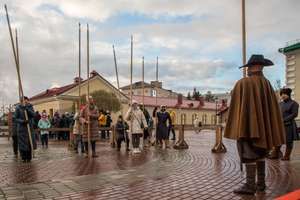
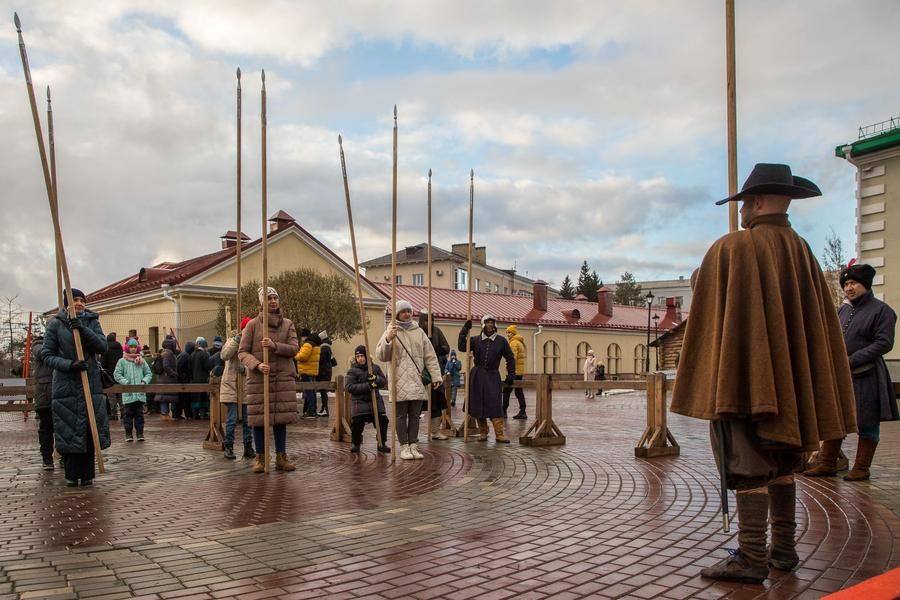
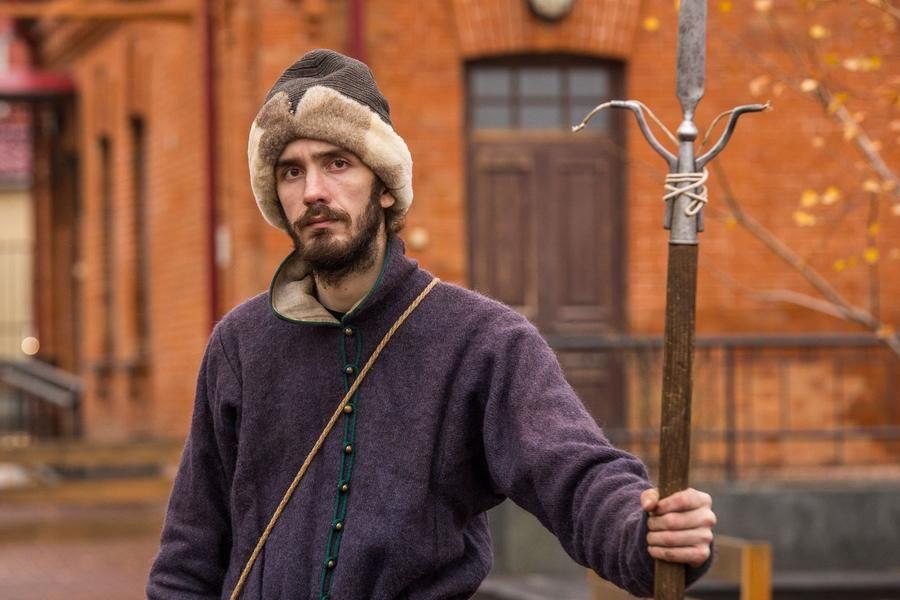
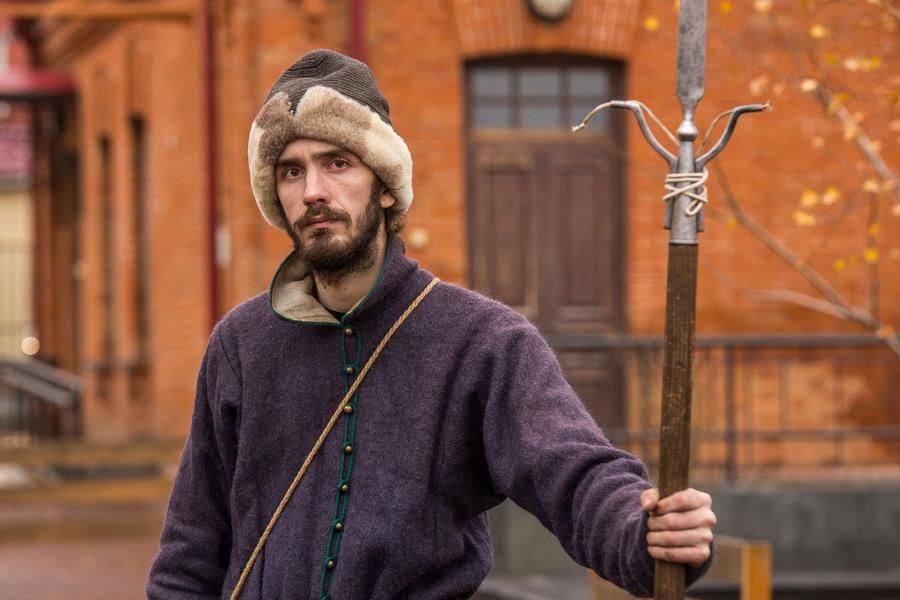
Here, pikemen are training in formation
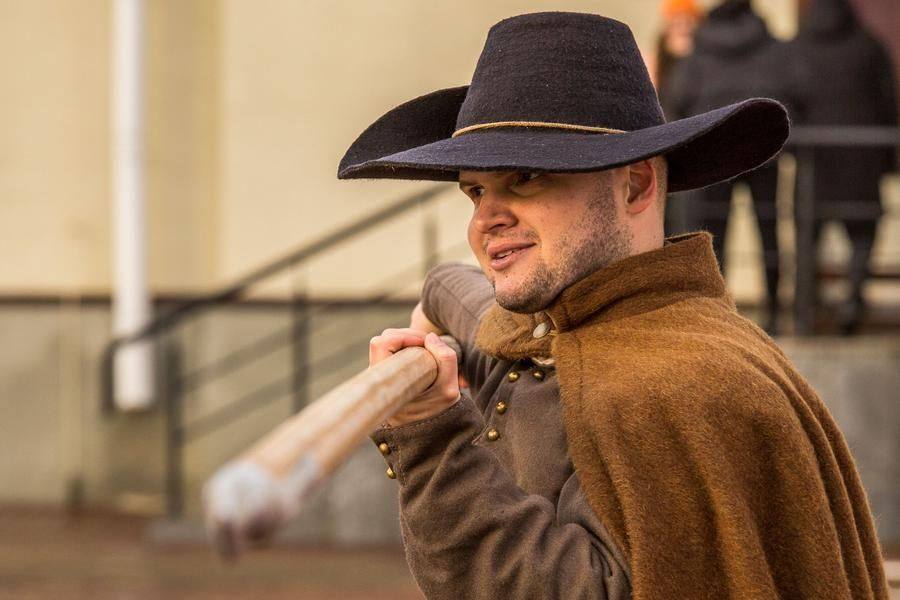
An experienced instructor shows how to hold and thrust with a pike
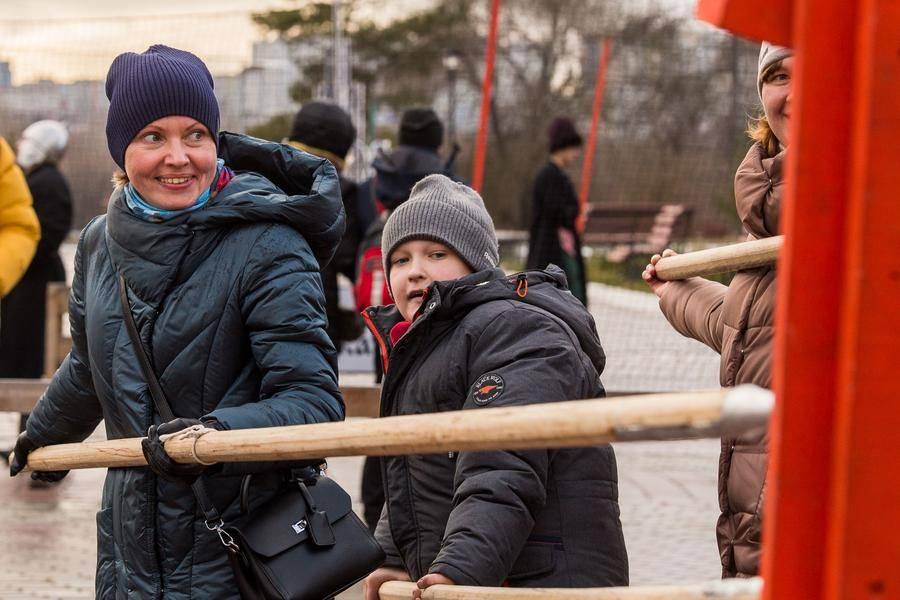
Everyone manages to hit the target — though it takes some effort
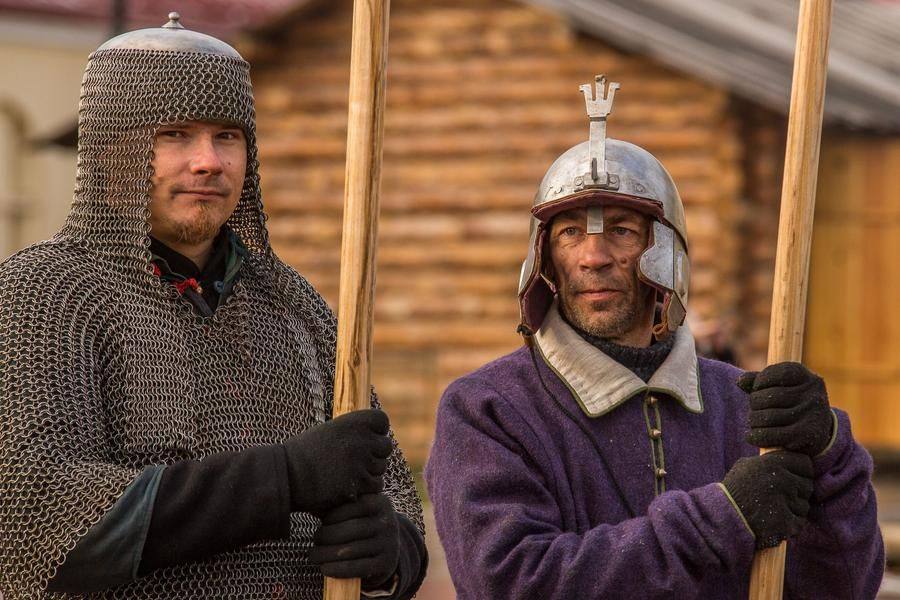
Practicing the skill is exciting not just for guests, but for the reenactors themselves
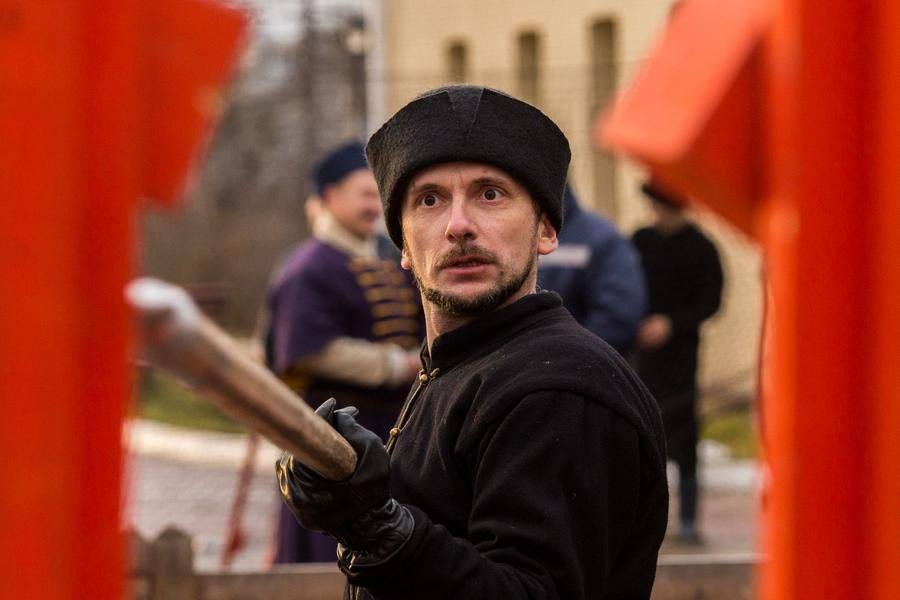
It’s important to focus on the task and let yourself slip into that era
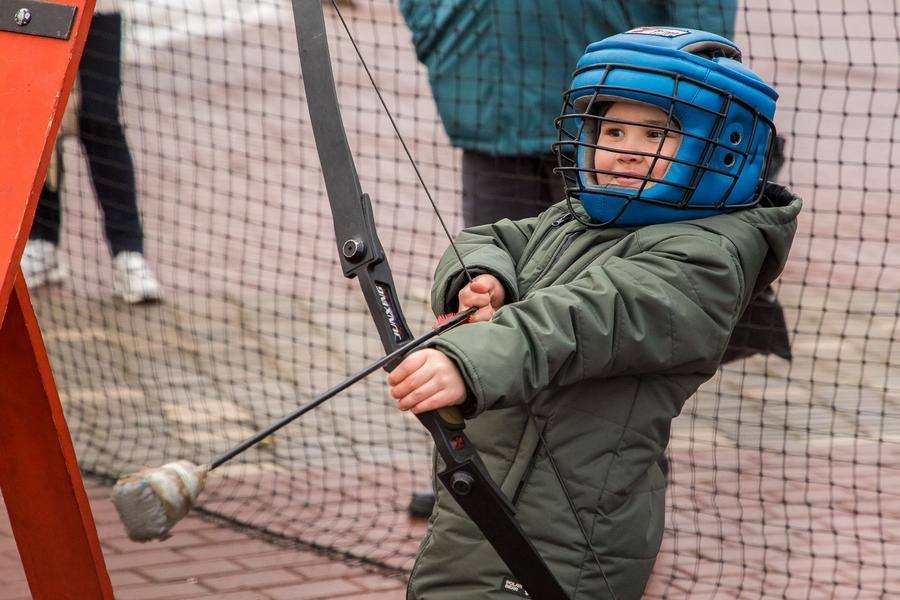
Archery duels are open to all visitors
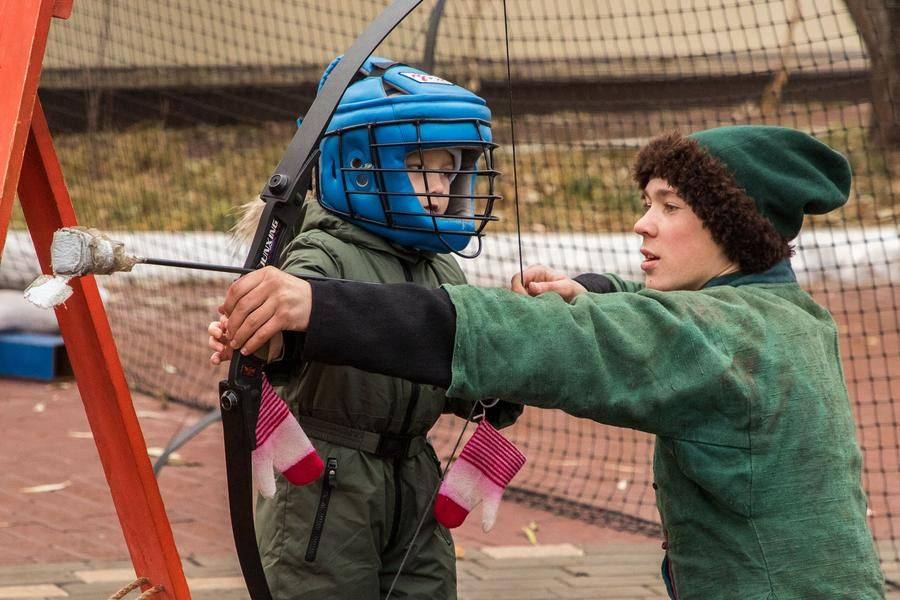
If you’re struggling to shoot an arrow, an instructor is right nearby to help
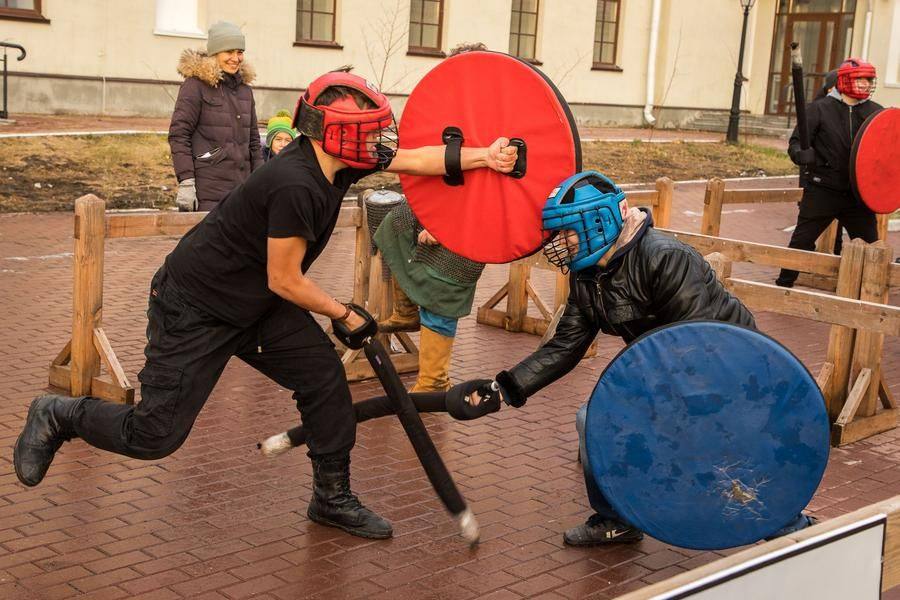
Teens don’t need much guidance: the time allotted for the duel feels too short for them
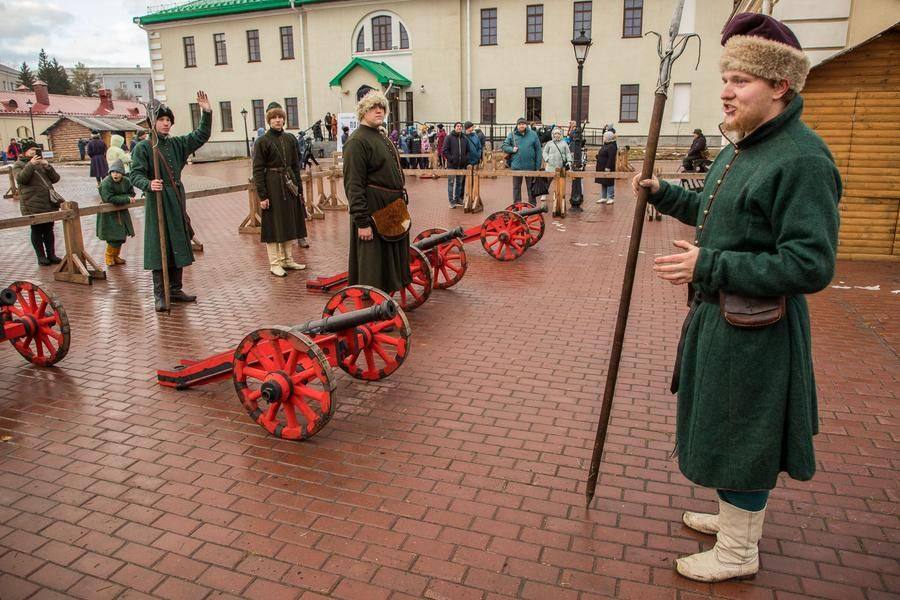
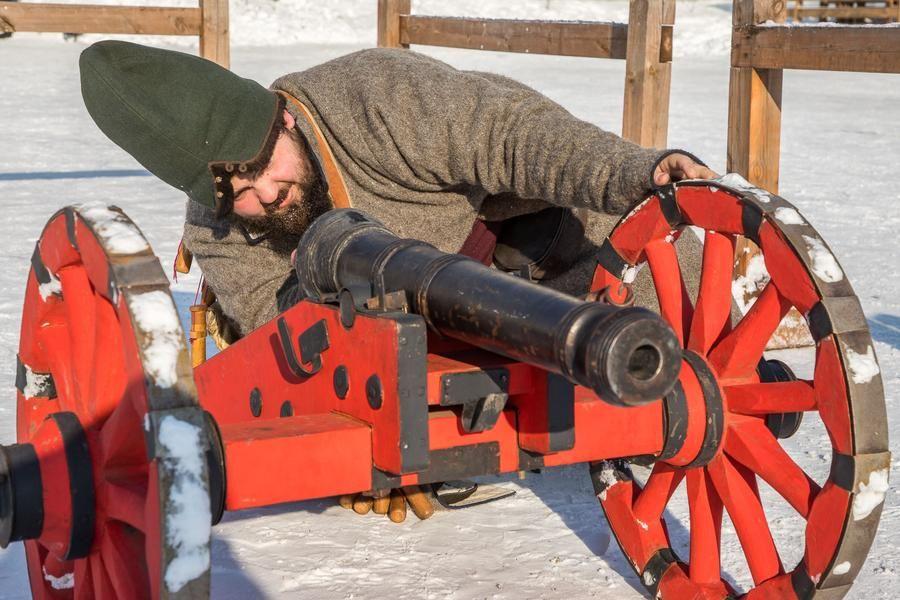
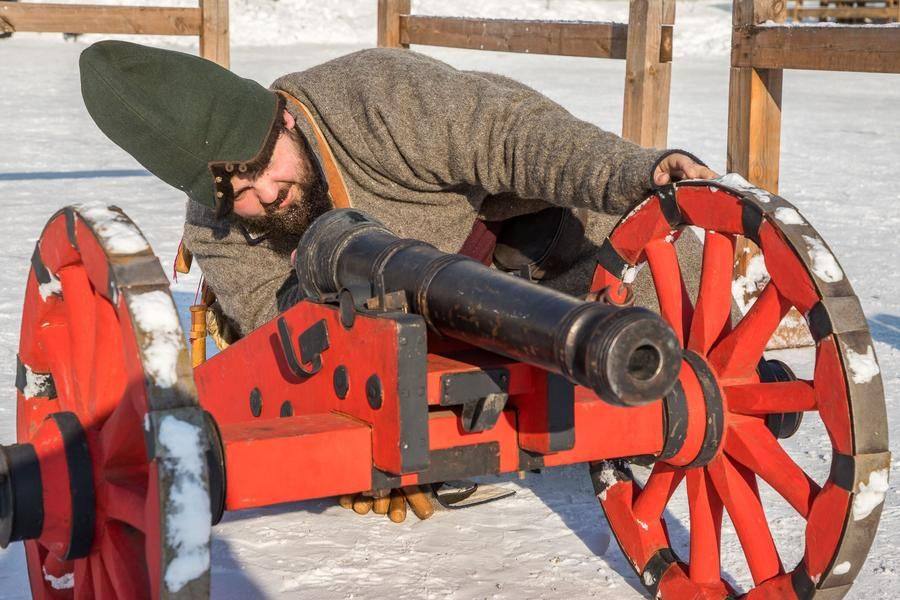
A particularly complex branch of martial craft is artillery operation
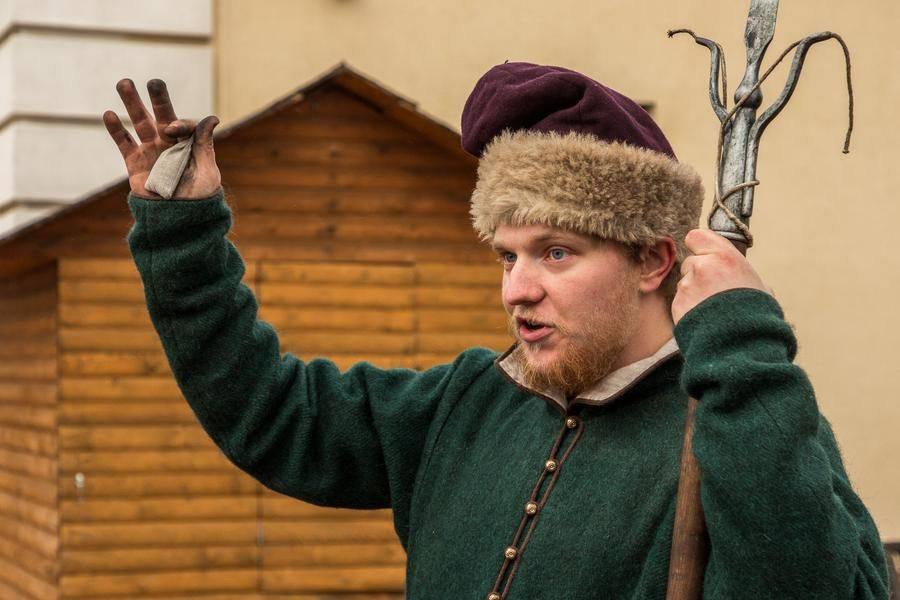
Every cannon requires a crew of three, each with their own duties
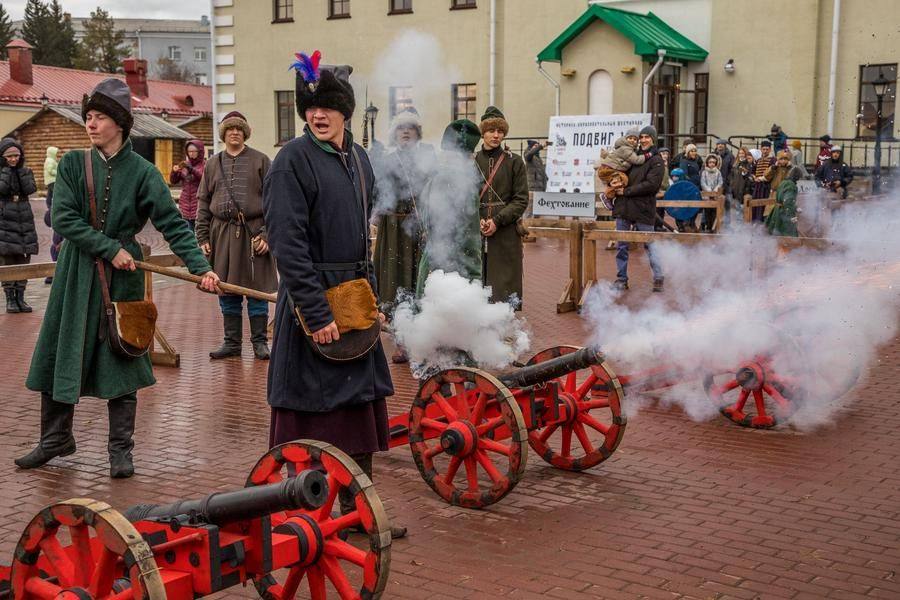
The demonstration of preparing for a shot ends with a spectacular discharge
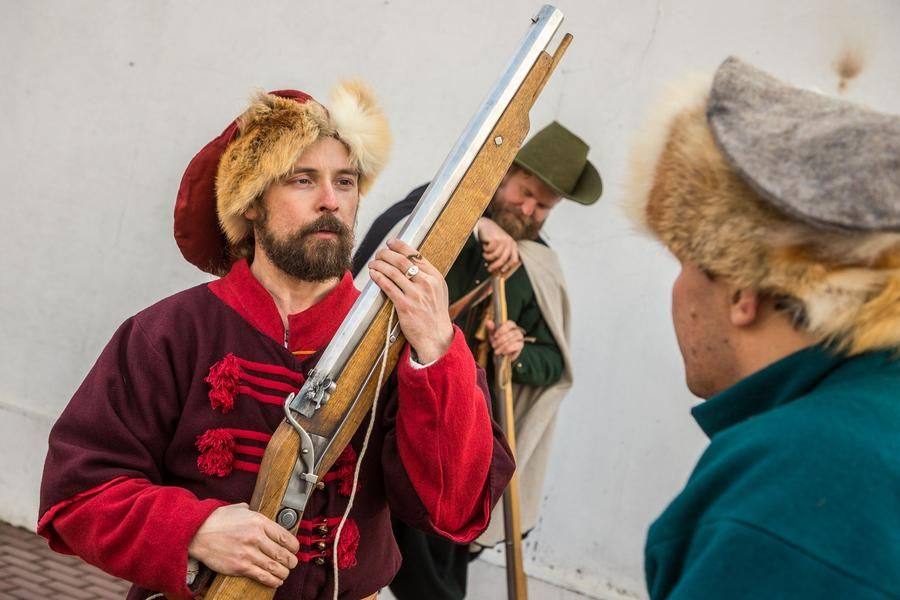
Thanks to the festival, reenactors from different clubs get to learn from each other
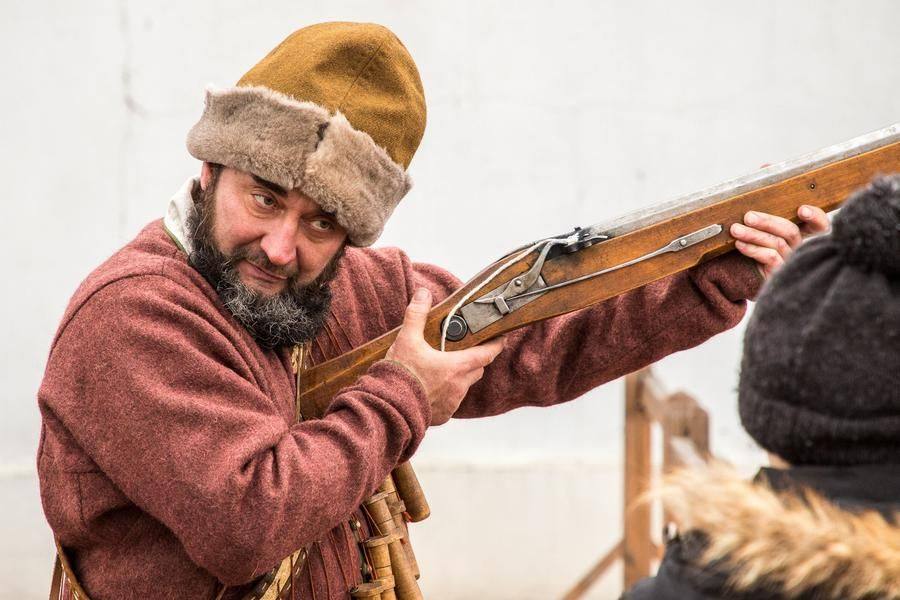
They’re also eager to share their knowledge with the younger generation
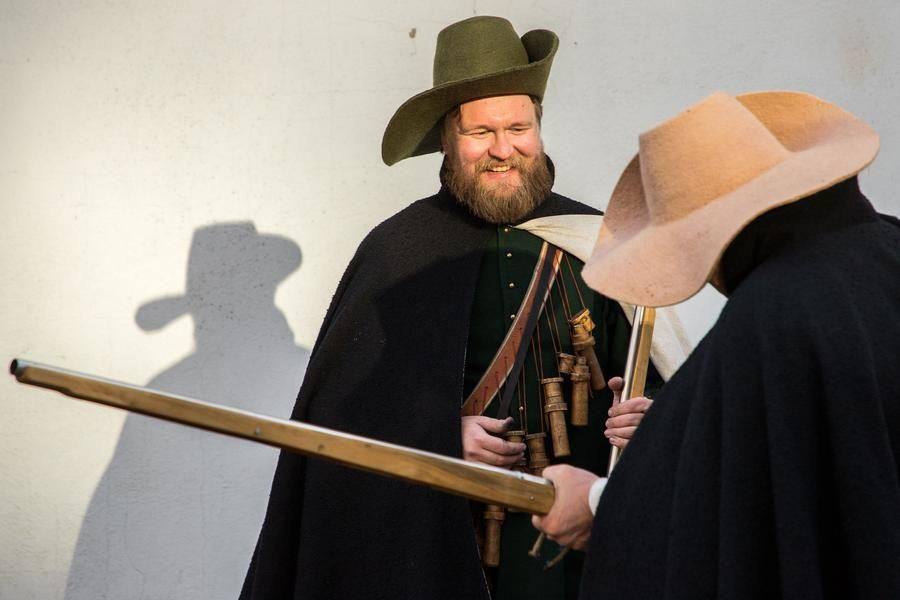
And everyone here agrees: a cultured person in the 21st century should understand history!